
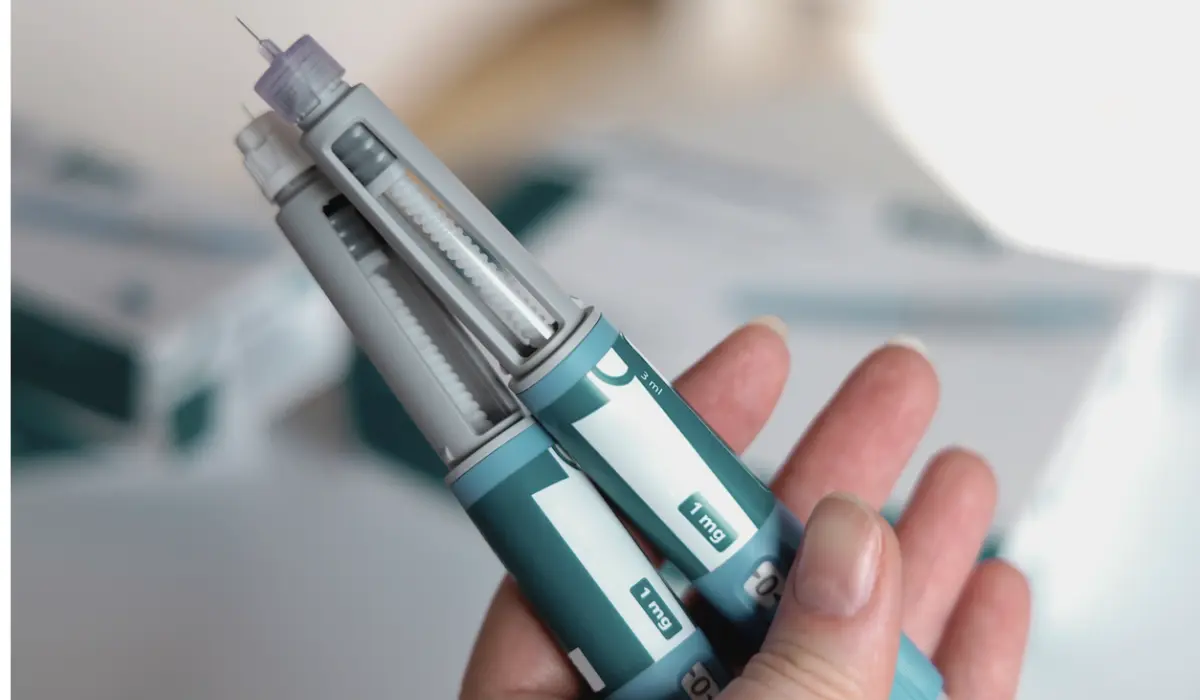
New real-world data presented at the 2026 American Diabetes Association Scientific Sessions suggest that semaglutide may help older adults with type 2 diabetes improve blood sugar control while also reducing cardiometabolic risk factors. The findings focused on elderly patients whose diabetes remained poorly controlled despite treatment with insulin, sulfonylureas, or both.
The data are important because older adults with type 2 diabetes often face a more complex treatment burden. Many take several medicines, have a higher risk of hypoglycemia, and may experience serious consequences from low blood sugar, including falls, fractures, and heart-related events. This makes treatment simplification an important goal, not just stronger glucose lowering.
Study Looked At Add-On Semaglutide In Elderly T2D Patients
The poster presented at ADA 2026 evaluated 34 older adults with inadequately controlled type 2 diabetes. These patients were already being treated with sulfonylurea and/or basal-bolus insulin before oral or injectable semaglutide was added to their regimen.
Researchers assessed several outcomes after semaglutide was introduced. These included hemoglobin A1c, fasting blood glucose, body weight, body mass index, systolic blood pressure, diastolic blood pressure, insulin dose changes, and sulfonylurea dose changes. The overall goal was to understand whether semaglutide could improve glycemic control while helping reduce reliance on medicines linked with hypoglycemia.
HbA1c And Fasting Glucose Improved Significantly
The results showed a meaningful improvement in blood sugar control. Hemoglobin A1c decreased by 1.5%, which was statistically significant. Fasting blood glucose also dropped by 1.5 mmol/L, showing that patients experienced better day-to-day glucose control after semaglutide was added.
These changes are clinically relevant for older adults because high glucose levels can increase the risk of diabetes-related complications. At the same time, treatment must be balanced carefully in elderly patients, since overly aggressive glucose lowering with insulin or sulfonylureas can raise the risk of dangerous hypoglycemia.
Insulin Use Declined After Semaglutide Was Added
One of the most important findings was the reduction in insulin requirements. Across the patient group, average insulin dose decreased by 22.5%. This suggests that semaglutide may help some older adults maintain better glucose control while using less insulin.
Lower insulin needs may reduce treatment complexity for elderly patients. It may also lower the burden of injections, glucose monitoring, dose adjustments, and hypoglycemia management. For patients already managing several medications, this type of simplification can make diabetes care safer and easier to follow.
Sulfonylurea Doses Were Reduced Or Discontinued
The poster also reported changes in sulfonylurea use. Sulfonylureas were stopped completely in 7 patients. In 16 additional patients, sulfonylurea doses were reduced by at least 50%.
This is important because sulfonylureas can increase hypoglycemia risk, especially in older adults. Long-acting sulfonylureas are a particular concern in elderly patients because low blood sugar episodes may be more severe and harder to recover from. Reducing or stopping these medicines may support safer long-term diabetes management.
Weight, BMI, And Blood Pressure Also Improved
Beyond glucose control, the study showed improvements in several cardiometabolic measures. Body weight decreased by 4.9 kg, while body mass index dropped by 1.7 kg/m². These findings support the broader metabolic benefits commonly associated with GLP-1 receptor agonist therapy.
Blood pressure also improved. Systolic blood pressure decreased by 17.6 mmHg, and diastolic blood pressure decreased by 4.8 mmHg. These results suggest that semaglutide may support more than glycemic control in older adults with type 2 diabetes, especially those who also carry cardiovascular risk factors.
Why These Findings Matter For Older Adults?
Older adults with type 2 diabetes require individualized treatment plans. Many patients in this group live with multiple chronic conditions, take several prescriptions, and may be more sensitive to medication side effects. For this reason, treatment decisions should focus on safety, quality of life, and practical daily management.
The ADA 2026 findings suggest that semaglutide may help reduce glycemic burden while also allowing clinicians to lower doses of insulin or sulfonylureas. This may be useful for patients who need better control but also need lower exposure to therapies that increase hypoglycemia risk.
Semaglutide’s Role Beyond Blood Sugar Control
Semaglutide belongs to the GLP-1 receptor agonist class. These medicines help improve blood sugar control by increasing glucose-dependent insulin release, reducing glucagon secretion, slowing gastric emptying, and supporting appetite regulation. Because of these effects, semaglutide may also help reduce body weight in many patients.
The ADA 2026 poster adds to growing interest in semaglutide’s cardiometabolic role. In this older adult cohort, improvements were seen not only in HbA1c and fasting glucose, but also in weight, BMI, and blood pressure. This makes the findings especially relevant for patients with type 2 diabetes who also face cardiovascular risk.
Pharmacists May Play A Key Role In Safe Use
Pharmacists can play an important role when older adults begin semaglutide, especially if they are already taking insulin or sulfonylureas. Because combining semaglutide with these therapies may increase hypoglycemia risk, medication review and careful counseling are important.
Pharmacists can help patients understand injection technique, dosing schedules, possible gastrointestinal side effects, storage instructions, and signs of low blood sugar. They can also support adherence by addressing cost concerns, refill gaps, administration difficulties, and unrealistic expectations about results.
Treatment Should Be Individualized
Although the findings are encouraging, semaglutide is not automatically suitable for every older adult with type 2 diabetes. Frail patients, those with significant gastrointestinal issues, and patients at risk from unwanted weight loss may need closer monitoring. Clinicians should also consider kidney function, nutrition status, current medication burden, and patient preferences.
The study involved a small real-world group of 34 patients, so the results should be interpreted with care. Larger studies may help confirm how broadly these benefits apply. Still, the findings provide useful evidence for clinicians managing older adults whose diabetes remains uncontrolled on complex treatment regimens.