A CT scan is a medical imaging test that helps doctors see detailed pictures inside the body. CT stands for computed tomography. It uses X-rays and computer technology to create cross-sectional images of bones, organs, blood vessels, and soft tissues.
Doctors may recommend a CT scan to check injuries, pain, tumors, infections, bleeding, or other health concerns. There are different types of CT scans, and each one focuses on a specific body area or medical condition. The right scan depends on the patient’s symptoms and the doctor’s reason for testing.
What Is A CT Scan?
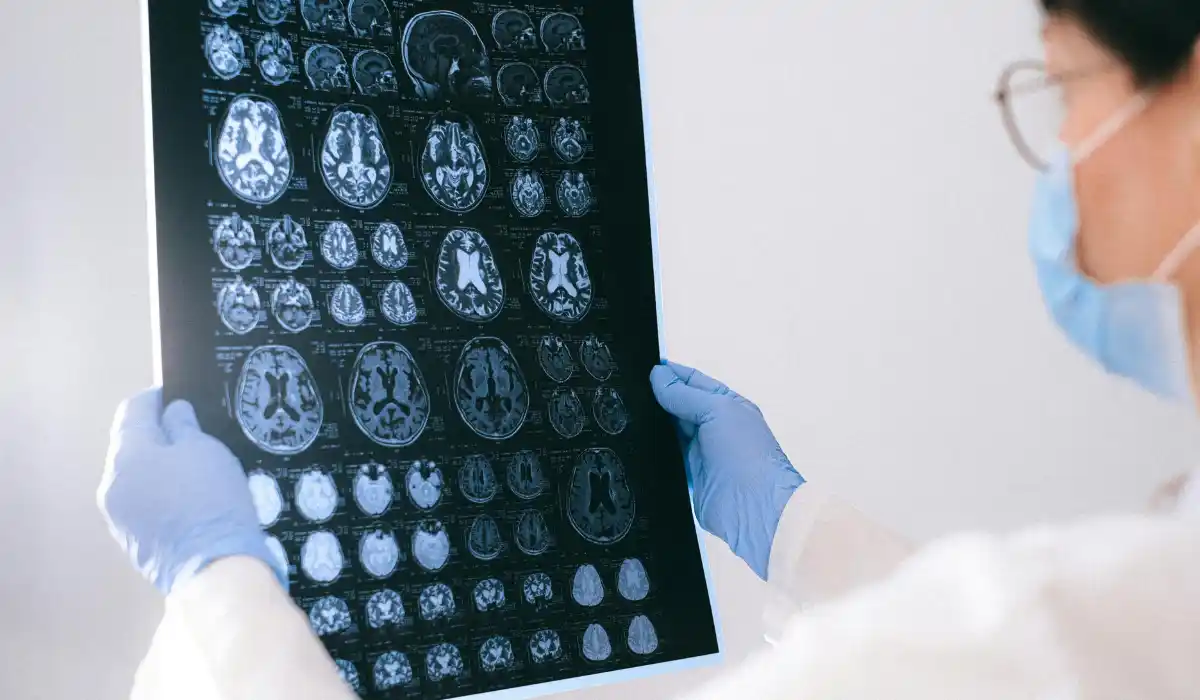
A CT scan takes many X-ray images from different angles. A computer then combines these images to create detailed slices of the inside of the body. These images show more detail than a regular X-ray and can help doctors find problems faster.
CT scans are often used because they are quick, accurate, and useful in emergencies. They can help detect fractures, internal bleeding, infections, tumors, blood clots, and organ problems. Some CT scans may use contrast dye to make certain areas easier to see.
Why Doctors Recommend Different Types Of CT Scans?
Doctors do not use one CT scan for every condition. The scan type depends on the body part that needs to be checked. For example, a head CT looks at the brain and skull, while an abdominal CT checks organs like the liver, kidneys, pancreas, and intestines.
Some CT scans focus on bones, while others focus on blood vessels or soft tissues. A doctor may also order a CT scan with or without contrast depending on what they need to see. This helps improve image clarity and supports a more accurate diagnosis.
CT Scan Of The Head Or Brain?
A head CT scan creates detailed images of the brain, skull, and nearby structures. Doctors may order it after a head injury, sudden severe headache, stroke symptoms, seizures, confusion, or unexplained dizziness. It can help detect bleeding, swelling, fractures, tumors, or signs of stroke.
This scan is commonly used in emergency rooms because it is fast. A head CT can quickly show serious problems that may need urgent care. In some cases, contrast dye may be used to check blood vessels, tumors, or infections more clearly.
CT Scan Of The Chest
A chest CT scan looks at the lungs, heart, airways, ribs, and blood vessels in the chest. Doctors may use it to check lung nodules, infections, pneumonia, cancer, blood clots, chest injuries, or unexplained breathing problems.
A chest CT scan gives more detail than a regular chest X-ray. It can show small changes in the lungs and surrounding structures. Some patients may need a low-dose chest CT for lung cancer screening if they meet specific risk factors, such as a long smoking history.
CT Scan Of The Abdomen
An abdominal CT scan checks organs in the belly area. This may include the liver, kidneys, spleen, pancreas, stomach, intestines, gallbladder, and blood vessels. Doctors may recommend it for abdominal pain, infection, swelling, trauma, kidney stones, or suspected tumors.
This scan can help find causes of pain that are not clear from a physical exam. It may be done with oral contrast, IV contrast, or both. Contrast can help separate organs, blood vessels, and digestive structures for better image detail.
CT Scan Of The Pelvis
A pelvic CT scan focuses on the lower abdomen and pelvic organs. It may show the bladder, reproductive organs, lower intestines, pelvic bones, lymph nodes, and nearby blood vessels. Doctors may use it for pelvic pain, injury, infection, tumors, or urinary problems.
This scan may also help evaluate conditions affecting the uterus, ovaries, prostate, or bladder. In some cases, an abdomen and pelvis CT scan may be ordered together because many symptoms involve both areas.
CT Scan Of The Spine
A spine CT scan creates detailed images of the bones in the neck, middle back, or lower back. Doctors may recommend it after trauma, severe back pain, suspected fracture, spinal narrowing, or abnormal spine findings.
CT is especially useful for showing bone detail. It can help detect fractures, arthritis, bone tumors, or changes in spinal alignment. However, MRI may be preferred when doctors need to see nerves, discs, or the spinal cord in greater detail.
CT Scan Of The Neck
A neck CT scan examines the throat, airway, glands, lymph nodes, blood vessels, and soft tissues of the neck. It may be used for swelling, infection, injury, trouble swallowing, neck masses, or suspected tumors.
Doctors may also use this scan to check the thyroid, salivary glands, or lymph nodes. Contrast dye is often used when soft tissue detail is needed. This can help doctors see inflammation, abscesses, tumors, or abnormal blood vessels more clearly.
CT Scan Of The Sinuses
A sinus CT scan looks at the air-filled spaces around the nose, eyes, and forehead. Doctors may recommend it for chronic sinus infections, nasal blockage, facial pain, breathing problems, or before sinus surgery.
This scan can show swelling, fluid, polyps, structural problems, or blocked sinus drainage pathways. It gives more detail than a regular X-ray and helps ENT specialists plan treatment when symptoms do not improve with basic care.
CT Scan Of The Bones And Joints
A bone or joint CT scan focuses on detailed images of bones and nearby joint structures. Doctors may order it for complex fractures, bone tumors, arthritis, joint injuries, or surgical planning.
CT scans are useful when regular X-rays do not show enough detail. They can help doctors understand the exact location and shape of a fracture. For soft tissue injuries, such as ligaments or tendons, MRI may still be recommended.
CT Angiography
CT angiography, also called CTA, is a CT scan that looks at blood vessels. It usually uses contrast dye injected into a vein. Doctors may use CTA to check for blocked arteries, narrowed blood vessels, aneurysms, blood clots, or vascular injuries.
CTA may be performed on the head, neck, chest, abdomen, legs, or heart. It is often faster and less invasive than traditional catheter angiography. It helps doctors study blood flow and decide whether further treatment is needed.
Cardiac CT Scan
A cardiac CT scan focuses on the heart and nearby blood vessels. One common type is a coronary calcium scan, which checks for calcium buildup in the coronary arteries. This may help estimate heart disease risk in selected patients.
Another type is coronary CT angiography, which uses contrast dye to look at the heart arteries. Doctors may recommend it for chest pain, suspected artery narrowing, or heart disease evaluation. The best test depends on symptoms and risk factors.
Low-Dose CT Scan
A low-dose CT scan uses less radiation than a standard CT scan. It is commonly used for lung cancer screening in certain high-risk adults. The goal is to find lung cancer early when treatment may work better.
Low-dose CT is not used for every patient. Doctors usually recommend it based on age, smoking history, and current health guidelines. Patients should discuss benefits and risks before screening, especially because follow-up tests may be needed if something unusual appears.
CT Scan With Contrast
A CT scan with contrast uses a special dye to make certain body parts easier to see. Contrast may be given through a vein, swallowed as a drink, or given in another way depending on the scan type.
IV contrast often helps show blood vessels, organs, inflammation, tumors, or infections. Oral contrast may help show the stomach and intestines. Patients should tell the care team about kidney disease, allergies, diabetes medicines, or previous contrast reactions before the scan.
CT Scan Without Contrast
A CT scan without contrast does not use dye. Doctors may choose this option when contrast is not needed or not safe for the patient. It may be useful for kidney stones, some head injuries, certain fractures, or bleeding concerns.
Non-contrast CT scans are often faster because they do not require contrast preparation. However, some conditions are easier to see with contrast. The doctor and radiology team decide which option provides the most useful information.
What Happens During A CT Scan?
During a CT scan, the patient lies on a table that moves through a large ring-shaped scanner. The machine takes images while the patient stays still. The scan itself is usually quick and painless.
Some scans may require the patient to hold their breath for a few seconds. If contrast is used, the patient may feel warmth or a metallic taste for a short time. After the scan, most people can return to normal activities unless told otherwise.
How To Prepare For A CT Scan?
Preparation depends on the type of CT scan. Some patients may need to avoid food or drink for a few hours before the test. Others may need blood work before receiving IV contrast, especially if kidney function needs to be checked.
Patients should wear comfortable clothing and remove metal items such as jewelry, belts, glasses, or hairpins. They should also tell the imaging team if they are pregnant, may be pregnant, have kidney disease, or have had a contrast allergy before.
Are CT Scans Safe?
CT scans are useful diagnostic tools, but they do use radiation. Doctors only recommend them when the expected benefit is greater than the risk. Modern CT scanners and low-dose techniques help reduce radiation exposure when possible.
Patients should not avoid a needed CT scan because of fear alone. At the same time, they should ask questions if they are unsure why the test is needed. Children and pregnant patients need special consideration because radiation sensitivity may be higher.
Conclusion
There are many types of CT scans, and each one serves a different purpose. Head CT, chest CT, abdominal CT, pelvic CT, spine CT, sinus CT, bone CT, cardiac CT, and CT angiography all help doctors examine different parts of the body.
The best CT scan depends on symptoms, medical history, and the area being checked. Patients should follow their doctor’s instructions and ask whether contrast is needed, how to prepare, and when results will be available. A CT scan can provide important information that helps guide diagnosis and treatment.
FAQs
Common types include head CT, chest CT, abdominal CT, pelvic CT, spine CT, sinus CT, bone CT, cardiac CT, and CT angiography.
CT with contrast uses dye to improve image detail. CT without contrast does not use dye and may be used for certain injuries, stones, or bleeding concerns.
No, a CT scan is usually painless. Some patients may feel brief warmth if IV contrast dye is used.
The scan itself may take only a few minutes. The full appointment may take longer if preparation or contrast is needed.
Yes, CT scans use X-rays, which involve radiation. Doctors recommend CT scans when the medical benefit is greater than the risk.
References
- Mayo Clinic
CT Scan
https://www.mayoclinic.org/tests-procedures/ct-scan/about/pac-20393675