
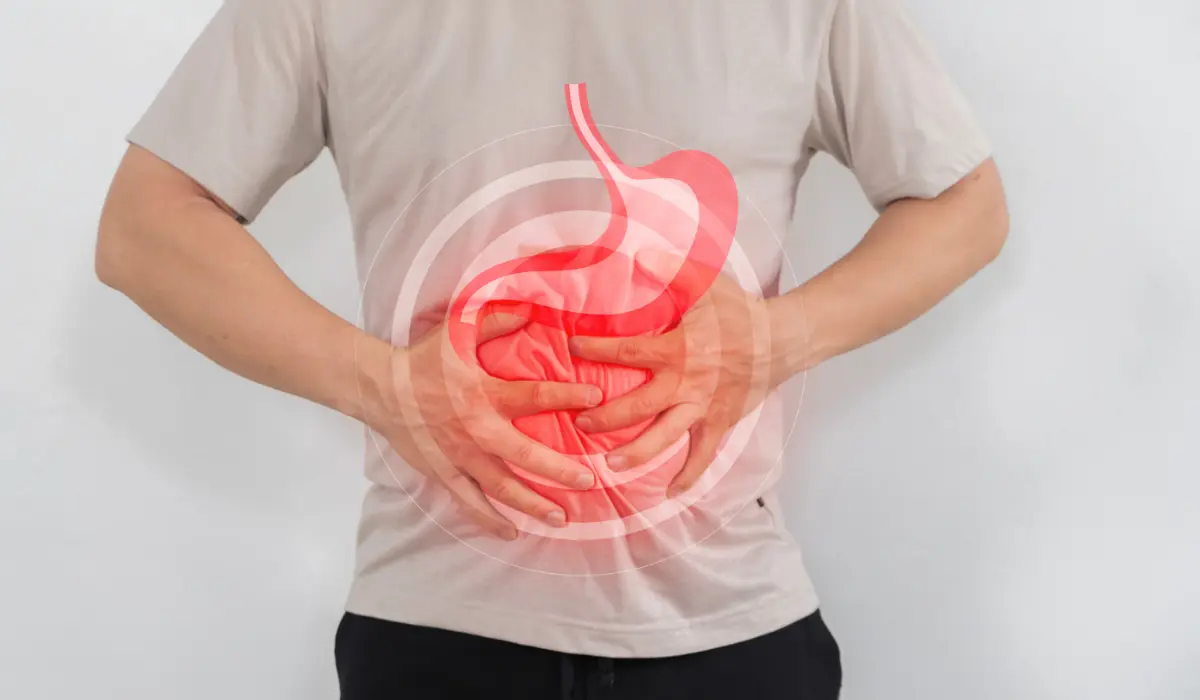
Autoimmune gastritis treatment usually focuses on correcting nutrient deficiencies, managing symptoms, and monitoring the stomach lining over time. This condition happens when the immune system attacks healthy cells in the stomach lining. It can reduce stomach acid and affect the body’s ability to absorb vitamin B12 and iron.
It is different from common gastritis caused by infection, alcohol, or irritation. Autoimmune gastritis is usually long-term, so care often involves regular blood tests, medical follow-up, and safe supplementation when needed.
What Is Autoimmune Gastritis?
Autoimmune gastritis is a chronic form of stomach inflammation. It mainly affects the upper part of the stomach, where special cells help make stomach acid and intrinsic factor.
Intrinsic factor is important because it helps the body absorb vitamin B12. When these cells are damaged, a person may develop vitamin B12 deficiency, iron deficiency, or pernicious anemia.
Some people have stomach discomfort, nausea, bloating, or loss of appetite. Others may not notice digestive symptoms at all. In many cases, the condition is found during testing for anemia, low B12, or unexplained fatigue.
Main Goals of Treatment
Treatment does not usually “cure” the autoimmune process. Instead, the goal is to prevent complications and improve daily health.
Doctors may focus on:
- Replacing vitamin B12
- Correcting iron deficiency
- Checking folic acid levels
- Treating other causes if present
- Monitoring the stomach lining
- Watching for related autoimmune conditions
A personalized plan matters because symptoms and deficiencies can vary from person to person.
Vitamin B12 Support
Vitamin B12 treatment is one of the most important parts of care. If the stomach cannot make enough intrinsic factor, the body may not absorb B12 well from food.
Some people may need vitamin B12 injections, especially if pernicious anemia is present. Others may be advised to take high-dose oral B12, depending on their condition and doctor’s guidance. Medical guidance notes that B12 injections may be recommended when autoimmune gastritis leads to pernicious anemia.
Low B12 can cause tiredness, weakness, numbness, tingling, balance problems, memory changes, or a sore tongue. These symptoms should not be ignored.
Iron and Folic Acid Treatment
Autoimmune gastritis can also affect iron absorption. Low stomach acid may make it harder for the body to absorb iron from food.
This can lead to iron deficiency anemia. Common signs include fatigue, dizziness, shortness of breath, pale skin, hair shedding, cold hands, or fast heartbeat.
Doctors may recommend iron supplements, folic acid, or other nutrient support based on blood test results. Do not start high-dose iron without medical advice because too much iron can cause side effects and may be unsafe for some people.
Testing for Other Causes
Even when autoimmune gastritis is suspected, doctors may still check for other causes of stomach inflammation. One important cause is H. pylori infection.
If H. pylori is found, treatment usually involves a combination of medicines, often including antibiotics and acid-reducing medicine. Follow-up testing may be needed to confirm the infection is gone. Clinical guidance recommends assessing people with atrophic gastritis for H. pylori and treating it if positive.
This matters because more than one stomach issue can exist at the same time.
Diet and Lifestyle Tips
There is no single diet that reverses autoimmune gastritis. Still, food choices may help support energy, digestion, and nutrient intake.
Try to eat balanced meals with protein, vegetables, fruits, whole grains, and iron-rich foods. Good iron sources include lean meat, poultry, fish, beans, lentils, spinach, and fortified foods.
Vitamin C foods, such as oranges, berries, bell peppers, and tomatoes, may support iron absorption from plant foods. People with B12 deficiency may need medical treatment because food alone may not be enough.
It may also help to limit alcohol, avoid smoking, and reduce frequent use of stomach-irritating pain relievers unless your doctor says they are safe for you.
Add this under the Diet and Lifestyle Tips section:
Can Probiotics Help With Bloating and Gas?
Some people with autoimmune gastritis may also deal with bloating, gas, or stomach discomfort. Probiotics may support gut balance for some people, but they do not treat the autoimmune cause of gastritis or replace medical care.
If you are looking for the best probiotics for bloating and gas, choose carefully and ask a healthcare provider first, especially if you have a weakened immune system, ongoing anemia, or other digestive conditions. A provider can help decide whether probiotics are safe and useful for your symptoms.
Follow-Up and Monitoring
Autoimmune gastritis needs follow-up because it can increase the risk of certain stomach changes. Doctors may use blood tests to check B12, iron, ferritin, folate, blood count, and sometimes gastrin levels.
Some people may also need endoscopy with biopsies. This helps confirm the diagnosis, check the stomach lining, and look for changes that need monitoring.
The right endoscopy schedule depends on personal risk, biopsy results, family history, and doctor advice. Digestive symptoms can also come from other causes, so understanding Giardia vs food poisoning may be helpful when diarrhea, stomach cramps, nausea, or sudden digestive upset appears. A provider can decide whether stool testing, blood work, endoscopy, or other checks are needed.
Practical Safety Tips
Keep a list of your symptoms, supplements, medications, and test results. Bring it to each appointment.
Do not ignore low energy, numbness, tingling, dizziness, or worsening stomach symptoms. These may be signs of anemia or vitamin deficiency.
Avoid self-treating with random supplements. B12, iron, and folic acid can be helpful when needed, but the dose and form should match your test results.
When to Seek Professional Help?
See a doctor if you have ongoing fatigue, weakness, stomach pain, nausea, unexplained weight loss, black stools, vomiting blood, dizziness, numbness, or tingling.
Get urgent care for severe abdominal pain, fainting, chest pain, shortness of breath, vomiting blood, or black tar-like stools. These symptoms may point to a serious problem and need quick medical attention.
Final Thoughts
Autoimmune gastritis treatment is usually about long-term management. The most important steps are checking vitamin B12, iron, and folate levels, treating deficiencies, monitoring the stomach lining, and following a doctor’s plan.
With proper care, many people manage the condition well. The key is not to ignore symptoms or guess with supplements. Regular testing and follow-up can help prevent complications and support better digestive health.
FAQs
The main treatment usually includes correcting vitamin B12, iron, or folate deficiencies. Some people may need B12 injections, depending on test results.
Autoimmune gastritis is usually a long-term condition. Treatment may not cure it, but proper care can manage deficiencies and lower complication risks.
Yes, it can reduce intrinsic factor, which helps absorb vitamin B12. Low B12 may cause fatigue, weakness, tingling, memory issues, or anemia.
Diet can support general health, but it may not correct B12 deficiency if absorption is poor. Medical testing and treatment are often needed.
Some people may need endoscopy to confirm diagnosis, check stomach lining changes, and assess risk. The schedule depends on individual medical findings.
Seek medical care for ongoing fatigue, stomach pain, weight loss, black stools, vomiting blood, numbness, tingling, dizziness, or symptoms of anemia.
Reference
- NIDDK – Treatment of Gastritis and Gastropathy (NIDDK)
- MedlinePlus – Pernicious Anemia (MedlinePlus)