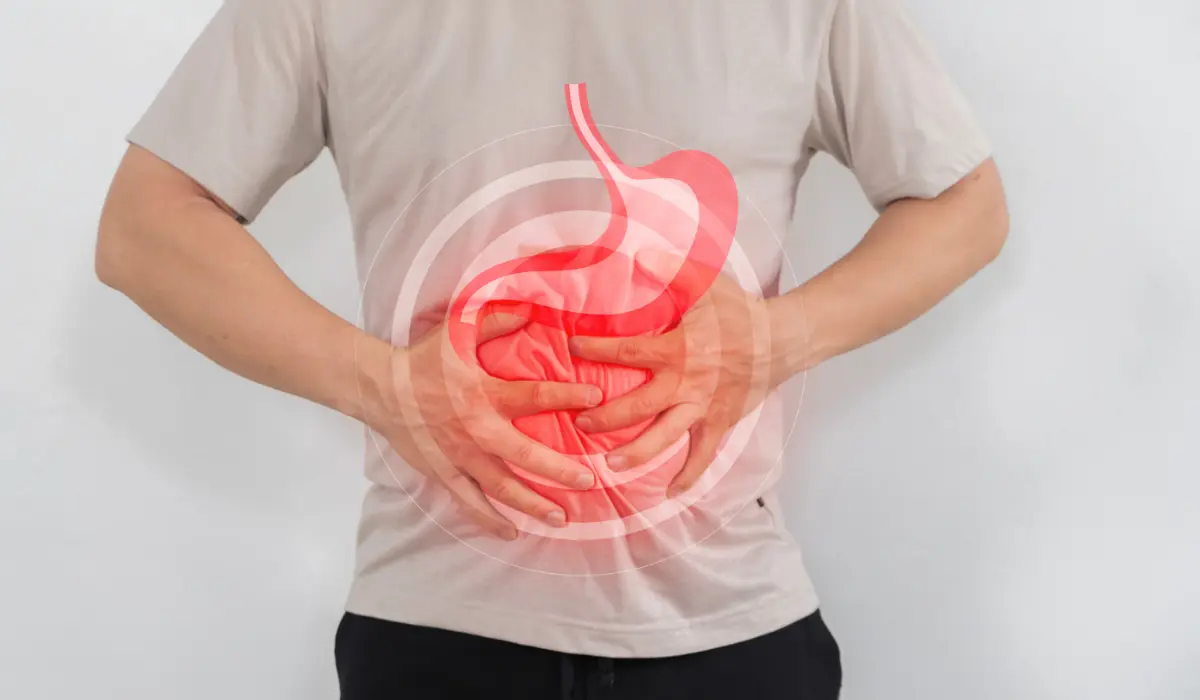

The best probiotics for bloating and gas are usually not chosen by brand name alone. A better way is to look at the probiotic strain, your symptoms, your digestive condition, and how your body reacts. Probiotics are live microorganisms that may support gut health, but their effects can vary from person to person.
Bloating and gas can come from many causes, including swallowed air, certain foods, constipation, irritable bowel syndrome, food intolerance, stress, and changes in gut bacteria. Because the cause matters, probiotics may help some people but may not work for everyone.
What Are Probiotics?
Probiotics are live bacteria or yeasts found in some supplements and fermented foods. Common probiotic groups include Lactobacillus, Bifidobacterium, and Saccharomyces. These organisms may help support the balance of bacteria in the gut.
However, not all probiotics do the same thing. The World Gastroenterology Organisation notes that strain designations matter because probiotic benefits are linked to specific strains and doses.
Can Probiotics Help With Bloating and Gas?
Probiotics may help some people with digestive symptoms, especially when bloating is related to IBS or changes in gut bacteria. However, the evidence is mixed, and major guidelines do not recommend probiotics as a guaranteed treatment for all bloating.
This means probiotics should be seen as a possible support option, not a quick cure. If bloating is severe, painful, or ongoing, it is better to look for the cause instead of only adding supplements.
Probiotic Strains Commonly Used for Digestive Support
Lactobacillus
Lactobacillus strains are commonly found in yogurt, fermented foods, and supplements. Some people use them for general digestive support, occasional diarrhea, and gut balance.
For bloating, Lactobacillus may help certain people, but results depend on the strain and the person’s digestive issue. A product that helps one person may cause more gas in another.
Bifidobacterium
Bifidobacterium is another common probiotic group used for gut health. Some Bifidobacterium strains have been studied for IBS-related symptoms, including bloating and bowel habit changes.
People with bloating linked to constipation may respond differently than people with bloating linked to diarrhea, food intolerance, or stress.
Saccharomyces Boulardii
Saccharomyces boulardii is a beneficial yeast used in some probiotic supplements. It is often discussed more for diarrhea-related concerns than for simple gas or bloating.
It may be useful in specific digestive situations, but it is not automatically the best choice for everyone with bloating.
Food-Based Probiotics vs Supplements
Probiotics can come from foods or capsules. Food-based options may include yogurt with live cultures, kefir, sauerkraut, kimchi, miso, tempeh, and other fermented foods.
Supplements may offer more specific strains and doses. This can be helpful when choosing a product for a certain goal. Still, supplement quality can vary, and some products may not contain exactly what the label claims. Some probiotic products have been reported to contain microorganisms other than those listed on the label.
Can Probiotics Make Gas Worse at First?
Yes, probiotics can sometimes increase gas or bloating at first. Some probiotics can produce gas as a byproduct, and a sudden increase may cause temporary bloating and gas during digestion.
This does not always mean the probiotic is harmful, but symptoms should improve within a short period. If gas, pain, diarrhea, or bloating gets worse or does not settle, stop using the product and ask a healthcare professional.
How to Choose a Probiotic for Bloating?
Choose a probiotic with clear strain names, not just a general label that says “probiotic blend.” Look for the genus, species, and strain when possible.
A good probiotic label may include:
- Strain names
- CFU count through expiration
- Storage instructions
- Suggested use
- Allergen information
- Third-party testing, if available
- Expiration date
Start with one product at a time. Taking multiple probiotic supplements together can make it harder to know what is helping or causing symptoms.
Other Ways to Reduce Bloating and Gas
Probiotics work best when basic digestive habits are also in place. Eat slowly, avoid chewing gum if you swallow air, limit carbonated drinks, and notice which foods trigger symptoms.
Common gas-producing foods include beans, lentils, onions, cabbage, broccoli, dairy, wheat products, and sugar alcohols. These foods are not bad for everyone, but sensitive people may need to adjust portions.
If constipation is part of the problem, fiber and fluids may help. Add fiber slowly because a sudden increase can make bloating worse.
When to Seek Professional Help?
See a healthcare provider if bloating and gas are severe, painful, frequent, or linked with weight loss, vomiting, blood in stool, black stool, fever, persistent diarrhea, constipation, anemia, or trouble swallowing.
People with weakened immune systems, serious illness, central lines, recent surgery, or major medical conditions should ask a doctor before using probiotics. Probiotics are usually safe for healthy people, but they may not be safe for everyone.
Final Thoughts
The best probiotics for bloating and gas depend on the cause of your symptoms, the strain used, and your personal tolerance. Lactobacillus and Bifidobacterium are common choices, but no single probiotic works for everyone.
Start slowly, choose products with clear strain information, and track symptoms. If bloating is persistent or comes with warning signs, medical advice is safer than guessing with supplements.
FAQs
The best probiotics depend on the cause. Many people look for Lactobacillus or Bifidobacterium strains, but results vary by person and product.
Yes, probiotics can cause temporary gas or bloating when first started. If symptoms worsen or continue, stop use and speak with a healthcare provider.
Some people notice changes within days or weeks, while others feel no benefit. Tracking symptoms can help show whether a probiotic is useful.
Probiotic foods support gut health and nutrition, while supplements may provide specific strains. The better choice depends on symptoms, tolerance, and health needs.
Daily use may help some people, but it is not necessary for everyone. Follow the label and ask a clinician if symptoms are ongoing.
Seek care for severe bloating, weight loss, blood in stool, vomiting, fever, persistent diarrhea, constipation, anemia, or symptoms that keep returning.
Reference
- NIH Office of Dietary Supplements – Probiotics Fact Sheet
https://ods.od.nih.gov/factsheets/Probiotics-HealthProfessional/ - NCCIH – Probiotics: Usefulness and Safety
https://www.nccih.nih.gov/health/probiotics-usefulness-and-safety