
Cyclosporiasis symptoms often begin with watery diarrhea, stomach discomfort, appetite loss, and tiredness. At first, it can feel like a regular stomach bug or food poisoning. The difference is that cyclosporiasis can last longer, come back after improving, and cause ongoing digestive discomfort if it is not treated properly.
Cyclosporiasis is an intestinal infection caused by a tiny parasite called Cyclospora cayetanensis. People usually get it after eating food or drinking water contaminated with the parasite. Fresh produce has been linked to some outbreaks, especially when contaminated water is used during growing, harvesting, or washing.
What Is Cyclosporiasis?
Cyclosporiasis is a foodborne parasitic infection that affects the small intestine. It can cause mild symptoms in some people and more uncomfortable illness in others. The main symptom is usually watery diarrhea, but the infection can also affect appetite, energy levels, digestion, and body weight.
Some people may not have symptoms, especially in places where the infection occurs more often. Others may develop symptoms about one week after exposure, although symptoms can appear as soon as 2 days or as late as 2 weeks or more after consuming contaminated food or water.
Common Cyclosporiasis Symptoms
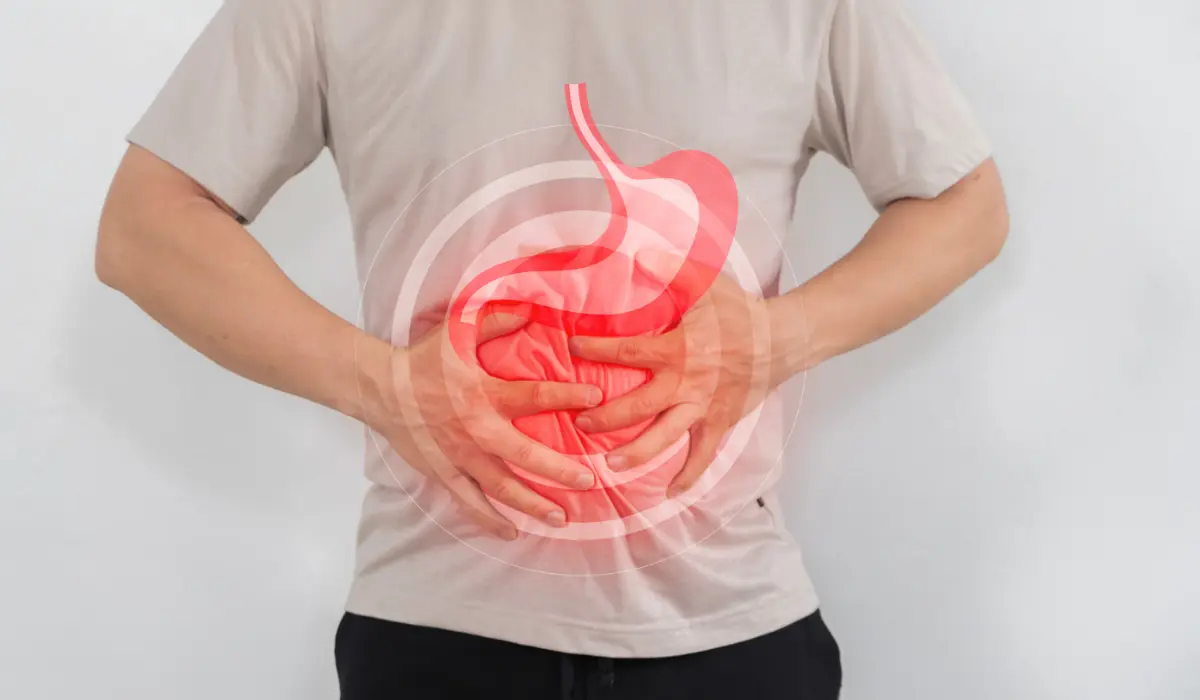
The most common symptom is watery diarrhea. Some people describe it as frequent, loose, or urgent bowel movements. The diarrhea may come with stomach cramps, bloating, gas, nausea, and loss of appetite.
Other common symptoms include:
- Watery diarrhea
- Loss of appetite
- Weight loss
- Stomach cramps
- Bloating
- Increased gas
- Nausea
- Fatigue
Less common symptoms can include vomiting, body aches, headache, low-grade fever, and flu-like discomfort. These symptoms can make the infection feel similar to viral gastroenteritis, traveler’s diarrhea, or food poisoning.
Pelvic Pain vs Stomach Cramps
Some people may describe lower belly discomfort as pelvic pain, but pelvic pain and stomach cramps are not always the same. Stomach cramps from cyclosporiasis usually come from intestinal irritation, gas, bloating, and diarrhea. Pelvic pain is felt lower in the abdomen and may be linked to urinary, reproductive, or other pelvic conditions. If pain feels sharp, severe, one-sided, or comes with fever, vomiting, blood in stool, urinary symptoms, or abnormal discharge, it should be checked by a healthcare provider.
Why Diarrhea Is the Main Warning Sign?
Diarrhea is the symptom most closely linked with Cyclospora infection. It can be persistent and may not improve quickly on its own. Some people feel better for a short time, then symptoms return again. This pattern can make the infection frustrating and confusing.
Without treatment, symptoms may last from a few days to a month or longer. Diarrhea may stop and come back, while fatigue can continue even after stomach symptoms improve.
How Cyclosporiasis Spreads?
Cyclosporiasis spreads when someone swallows food or water contaminated with Cyclospora. The infection is linked to stool contamination, but direct person-to-person spread is considered unlikely because the parasite must mature outside the body before it becomes infectious.
Common risk sources can include contaminated water, fresh produce, and travel to areas where the infection occurs more often. Anyone can get cyclosporiasis, but people with weaker immune systems, older adults, and young children may have a harder time with severe or prolonged symptoms.
Cyclosporiasis vs Food Poisoning
Cyclosporiasis can feel like food poisoning because both can cause diarrhea, nausea, cramps, and stomach upset. The difference is that food poisoning from some bacteria may begin within hours, while cyclosporiasis symptoms often begin about a week after exposure.
Another difference is duration. A typical stomach bug may improve within a few days. Cyclosporiasis can last longer, relapse, and cause extended fatigue. If diarrhea keeps returning or lasts longer than expected, it is worth speaking with a healthcare provider.
When Symptoms Can Become Serious?
Most healthy people recover, but prolonged diarrhea can lead to dehydration. This is especially important for children, older adults, pregnant people, and people with weakened immune systems.
Watch for signs such as dizziness, dry mouth, very dark urine, weakness, fast heartbeat, confusion, or inability to keep fluids down. These can suggest dehydration or a more serious illness. Diarrhea with fever, blood, severe abdominal pain, or symptoms that last several days should be checked.
How Cyclosporiasis Is Diagnosed?
A stool test can help identify Cyclospora. However, testing may not be part of a routine stool exam, so a healthcare provider may need to specifically request it. Diagnosis can also require more than one stool sample because the parasite may not appear in every sample.
This is one reason people should tell their provider about recent travel, fresh produce exposure, known outbreaks, untreated water exposure, or long-lasting diarrhea. These details can help guide the right testing.
Treatment for Cyclosporiasis
Cyclosporiasis can be treated with a prescription antibiotic. The commonly recommended treatment is trimethoprim-sulfamethoxazole, also known as TMP-SMX. Most healthy people may eventually recover without treatment, but illness can last longer without proper care.
People should not self-treat with leftover antibiotics or random stomach medicines. The right treatment depends on medical history, allergies, pregnancy status, age, immune health, and symptom severity.
Prevention and Food Safety Tips
Preventing cyclosporiasis starts with safer food and water habits. Wash hands before preparing food, after using the bathroom, and before eating. Rinse fresh fruits and vegetables under clean running water before use.
When traveling, be careful with untreated water, raw produce, ice, and foods that may have been washed in unsafe water. Routine chemical disinfection may not reliably kill Cyclospora, so safe food handling and clean water sources matter.
At home, store produce properly, keep cutting boards clean, and avoid cross-contamination between raw foods and ready-to-eat foods. These steps cannot remove every risk, but they can lower the chance of many foodborne infections.
When to Seek Professional Help?
See a healthcare provider if watery diarrhea lasts more than a few days, keeps coming back, or happens after travel or possible contaminated food exposure. Medical care is also important if symptoms include dehydration, severe weakness, fever, vomiting, weight loss, or ongoing abdominal pain.
People with weakened immune systems should seek care earlier because infections can become more difficult to manage. A provider can decide whether stool testing or prescription treatment is needed.
Final Thoughts
Cyclosporiasis symptoms can look like an ordinary stomach infection at first, but the illness may last longer than expected. Watery diarrhea, appetite loss, bloating, stomach cramps, nausea, weight loss, and fatigue are common signs.
The key is to pay attention to duration and pattern. Diarrhea that continues, returns, or appears after possible contaminated food or water exposure should not be ignored. Early medical guidance can help confirm the cause and support proper treatment.
FAQs
The main cyclosporiasis symptoms include watery diarrhea, appetite loss, weight loss, stomach cramps, bloating, gas, nausea, and fatigue. Some people also develop fever.
Symptoms often begin about one week after exposure, but they can appear as early as two days or more than two weeks later.
Yes. Cyclosporiasis symptoms may improve and then return. Diarrhea can relapse, and fatigue may continue even after stomach symptoms reduce.
Cyclosporiasis is a foodborne parasitic infection. It can feel like food poisoning, but symptoms may last longer and often need specific testing.
Treatment usually involves a prescription antibiotic called TMP-SMX. A healthcare provider should confirm the diagnosis and choose treatment based on individual health needs.
Seek care if diarrhea lasts several days, returns, causes dehydration, follows travel or produce exposure, or occurs with fever, weakness, vomiting, or weight loss.
Reference
- CDC – Symptoms of Cyclosporiasis
https://www.cdc.gov/cyclosporiasis/signs-symptoms/index.html - Cleveland Clinic – Cyclosporiasis
https://my.clevelandclinic.org/health/diseases/17957-cyclosporiasis