Ischemic heart disease is a heart condition that happens when the heart muscle does not get enough oxygen-rich blood. This usually occurs because the coronary arteries, which supply blood to the heart, become narrowed or blocked. It is also commonly called coronary artery disease or coronary heart disease.
The word “ischemic” means reduced blood flow. When the heart does not receive enough blood and oxygen, it may cause chest pain, shortness of breath, tiredness, or, in serious cases, a heart attack. Some people may also have silent ischemia, where reduced blood flow happens without clear warning symptoms.
What Causes Ischemic Heart Disease?
The most common cause of ischemic heart disease is atherosclerosis. This means fatty deposits, cholesterol, and other substances build up inside the coronary arteries. Over time, this buildup forms plaque, which narrows the arteries and limits blood flow to the heart muscle.
When the arteries become too narrow, the heart may not receive enough oxygen during physical activity, stress, or even at rest. If a plaque breaks open and forms a blood clot, it can suddenly block blood flow and cause a heart attack.
In some cases, ischemic heart disease may also happen because the blood vessels do not relax or widen properly when the heart needs more blood. This can reduce oxygen supply even when there is not a major blockage.
Common Symptoms of Ischemic Heart Disease
The most common symptom is angina, which is chest pain or discomfort. Angina may feel like pressure, tightness, squeezing, heaviness, or burning in the chest. It may happen during activity and improve with rest, but symptoms can vary from person to person.
Other symptoms may include:
- Shortness of breath
- Pain in the arms, shoulders, neck, jaw, back, or upper stomach
- Weakness or tiredness
- Nausea or cold sweats
- Lightheadedness
- Fast or irregular heartbeat
Some people, especially older adults, people with diabetes, and some women, may have less typical symptoms. Instead of strong chest pain, they may feel fatigue, breathlessness, indigestion-like discomfort, or general weakness.
When Is It an Emergency?
Ischemic heart disease can lead to a heart attack if blood flow becomes completely blocked. Warning signs of a heart attack may include chest discomfort lasting more than a few minutes, pain spreading to the jaw, neck, back, arms, or shoulders, shortness of breath, cold sweat, nausea, or feeling faint.
Seek emergency medical help right away if these symptoms appear, especially if they are new, severe, or do not go away with rest.
Risk Factors for Ischemic Heart Disease
Several factors can increase the risk of ischemic heart disease. Some can be changed, while others cannot. Major risk factors include high blood pressure, high LDL cholesterol, smoking, diabetes, obesity, physical inactivity, unhealthy diet, older age, and family history of heart disease.
High cholesterol is important because LDL cholesterol can contribute to plaque buildup inside the arteries. High blood pressure can damage artery walls, making it easier for plaque to collect. Smoking also harms blood vessels and reduces oxygen delivery in the body.
People with diabetes have a higher risk because high blood sugar can damage blood vessels over time. Managing blood pressure, cholesterol, blood sugar, and body weight can lower the chance of complications.
How Is Ischemic Heart Disease Diagnosed?
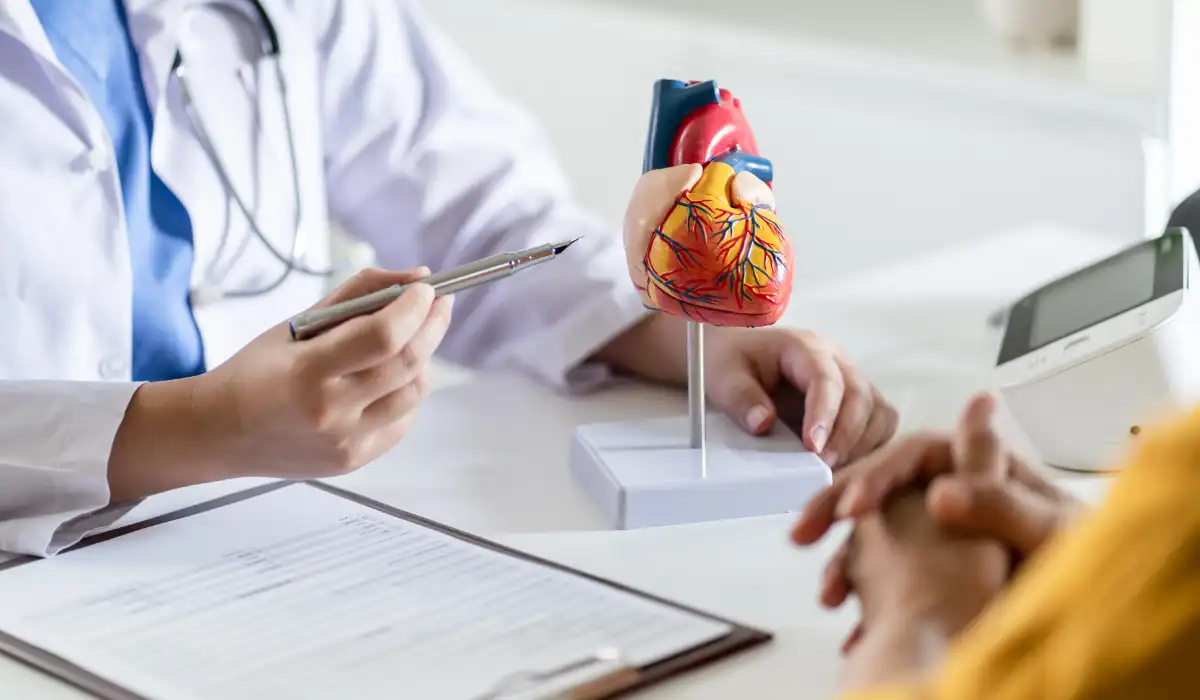
A healthcare provider may diagnose ischemic heart disease based on symptoms, medical history, family history, risk factors, and heart tests. Common tests may include an electrocardiogram, blood tests, stress testing, echocardiogram, coronary CT angiography, or coronary angiography.
These tests help show how well the heart is working, whether blood flow is reduced, and whether the coronary arteries are narrowed or blocked. Early diagnosis is important because treatment can reduce the risk of heart attack, heart failure, and other complications.
Treatment Options for Ischemic Heart Disease
Treatment depends on the severity of the condition, symptoms, and overall heart risk. Many people need a combination of lifestyle changes, medicines, and sometimes medical procedures.
Lifestyle changes may include eating a heart-healthy diet, exercising regularly, quitting smoking, managing stress, losing excess weight, and controlling blood pressure, cholesterol, and blood sugar.
Medicines may include cholesterol-lowering drugs, blood pressure medicines, aspirin or other antiplatelet drugs, beta blockers, nitrates, or diabetes medications when needed. These treatments may help improve blood flow, reduce strain on the heart, and lower the risk of heart attack.
For more severe blockages, procedures may be needed. Angioplasty with stent placement can open narrowed arteries. Coronary artery bypass grafting, also called bypass surgery, may be recommended when several arteries are blocked or when blockages are more complex.
Can Ischemic Heart Disease Be Prevented?
Not every case can be prevented, especially when family history or age plays a role. However, many risk factors can be managed. A balanced diet rich in vegetables, fruits, whole grains, lean proteins, fish, beans, nuts, and healthy fats can support heart health.
Limiting saturated fat, trans fat, excess salt, sugary drinks, and highly processed foods may also help. Regular physical activity, not smoking, sleeping well, and going for routine checkups are important steps.
Final Thoughts
Ischemic heart disease means the heart is not getting enough oxygen-rich blood, usually due to narrowed coronary arteries. It may cause angina, shortness of breath, fatigue, or heart attack, but some people may have few or no symptoms.
The good news is that early diagnosis and proper care can make a major difference. Healthy lifestyle habits, risk factor control, medications, and medical procedures when needed can help protect the heart and improve long-term outcomes.
FAQs
Ischemic heart disease happens when the heart muscle does not get enough oxygen-rich blood, usually because the coronary arteries become narrowed or blocked.
Yes, ischemic heart disease is often used to describe coronary artery disease or coronary heart disease, where reduced blood flow affects the heart.
Early symptoms may include chest pressure, shortness of breath, unusual tiredness, dizziness, nausea, or pain spreading to the arm, jaw, neck, or back.
Yes, some people have silent ischemia, where reduced blood flow occurs without obvious chest pain or warning signs, especially in people with diabetes.
Treatment may include lifestyle changes, cholesterol or blood pressure medicines, blood thinners, nitrates, angioplasty, stent placement, or bypass surgery, depending on severity.
Risk can often be reduced by controlling cholesterol, blood pressure, blood sugar, quitting smoking, exercising regularly, eating heart-healthy foods, and attending routine checkups.
Reference
- NHLBI, NIH – Coronary Heart Disease Causes and Prevention
https://www.nhlbi.nih.gov/health/coronary-heart-disease/causes - NHLBI, NIH – Coronary Heart Disease Diagnosis
https://www.nhlbi.nih.gov/health/coronary-heart-disease/diagnosis