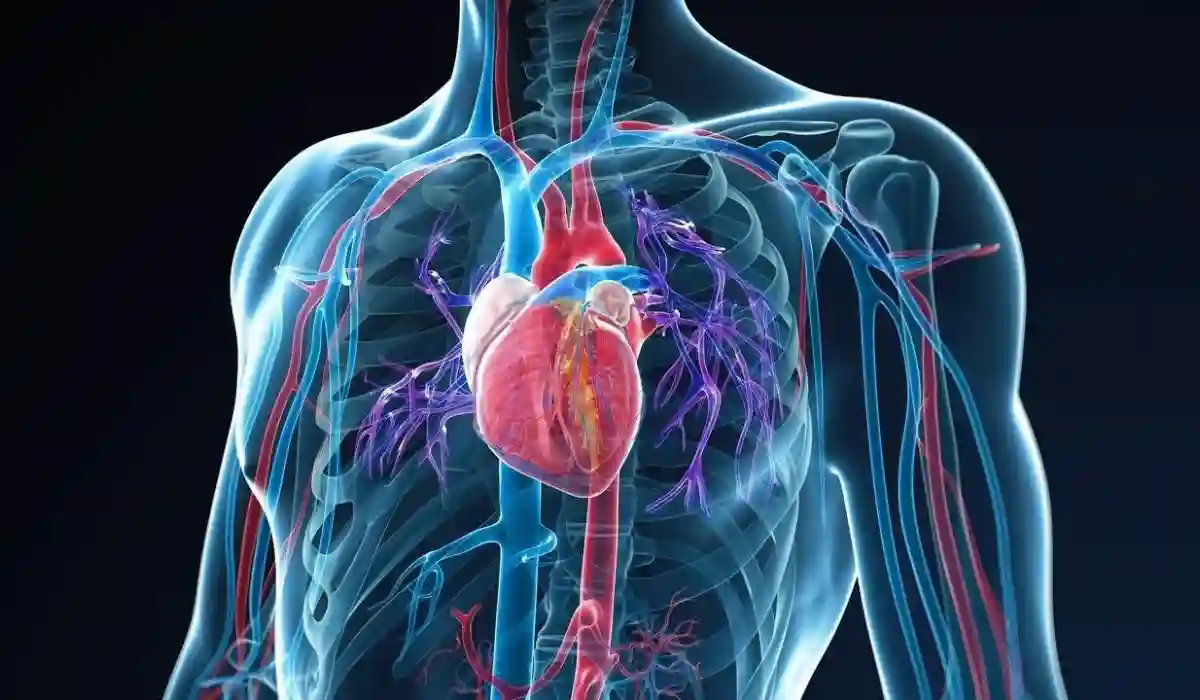
Heart disease remains one of the leading causes of death, but the encouraging truth is that most cardiovascular risk is shaped by daily choices rather than fate. You don’t need a complete lifestyle overhaul to protect your heart. Small, consistent habits, practiced over time, can lower blood pressure, improve cholesterol, and significantly reduce your risk of heart attack and stroke.
Here’s a practical, realistic look at what actually moves the needle for heart health.
Move Your Body Every Day
Physical activity is one of the most powerful tools for a healthy heart. Regular movement strengthens the heart muscle, improves circulation, and helps manage weight, blood pressure, and cholesterol all at once.
Health experts generally recommend at least 150 minutes of moderate aerobic activity each week, such as brisk walking, cycling, or swimming, or 75 minutes of more vigorous exercise like jogging. Adding strength training two or more days a week rounds out a well-balanced routine.
The good news is that you don’t need a gym membership or hours of free time to benefit. Short walks, taking the stairs, gardening, or dancing around the kitchen all count. If you’re starting from a sedentary lifestyle, begin with five or ten minutes a day and build gradually. Consistency matters far more than intensity.
Follow a Heart-Healthy Diet
What you put on your plate has a direct impact on cholesterol levels, blood pressure, and blood sugar, three of the biggest drivers of cardiovascular disease. A heart-healthy diet doesn’t have to be restrictive or complicated.
Focus on whole, minimally processed foods such as:
- Vegetables and fruits in a variety of colors
- Whole grains like oats, quinoa, and brown rice
- Lean proteins, including fish, poultry, and legumes
- Healthy fats from olive oil, nuts, seeds, and avocado
At the same time, try to limit added sugars, excess sodium, saturated fats, and heavily processed foods. Diets like the Mediterranean or DASH eating pattern are widely recognized for supporting heart health because they emphasize these whole-food principles without demanding perfection.
Small swaps add up fast. Choosing water over sugary drinks, cooking at home more often, and reading nutrition labels for hidden sodium can meaningfully shift your long-term risk.
Maintain a Healthy Weight
Carrying excess weight, particularly around the midsection, places additional strain on the cardiovascular system and raises the risk of high blood pressure, high cholesterol, and type 2 diabetes. The encouraging part is that even modest weight loss can produce real benefits. Losing just three to five percent of body weight can improve blood sugar and triglyceride levels, while greater weight loss often leads to measurable improvements in blood pressure and cholesterol.
Rather than chasing a number on the scale, focus on sustainable habits like balanced meals, regular movement, and adequate sleep. These tend to support healthy weight naturally over time.
Prioritize Quality Sleep
Sleep is often overlooked in conversations about heart health, but it plays a critical role. Poor or insufficient sleep is linked to higher blood pressure, weight gain, insulin resistance, and an increased risk of heart attack.
Most adults need seven to nine hours of sleep each night. Building a consistent sleep schedule, limiting late-night caffeine and alcohol, and keeping the bedroom cool and dark can all improve sleep quality. If you regularly feel exhausted despite getting enough hours in bed, it may be worth discussing sleep apnea with a healthcare provider, since this common but often undiagnosed condition can quietly strain the heart over years.
Manage Stress Before It Manages You
Chronic stress doesn’t just affect mental wellbeing. It can raise blood pressure, trigger inflammation, and encourage unhealthy coping behaviors like overeating, smoking, or drinking more alcohol than usual.
Effective stress management looks different for everyone, but options worth trying include:
- Deep breathing exercises or meditation
- Regular physical activity
- Spending time outdoors
- Talking with a therapist or trusted friend
- Setting boundaries around work and screen time
Even five to ten minutes of intentional relaxation daily can help regulate the nervous system and support healthier heart rhythm over time.
Quit Smoking And Limit Alcohol
Few habits damage the cardiovascular system as quickly as smoking. Tobacco use harms blood vessels, lowers oxygen levels in the blood, and accelerates plaque buildup in the arteries. The encouraging news is that the body begins repairing itself almost immediately after quitting. Within weeks, circulation improves, and within a year, the risk of coronary heart disease drops significantly compared to someone who continues smoking.
Alcohol deserves attention too. Drinking in excess is associated with higher blood pressure, irregular heart rhythms, and an increased risk of stroke. Cutting back, even gradually, can meaningfully lower cardiovascular risk.
Stay on Top of Screenings
Conditions like high blood pressure, high cholesterol, and prediabetes often develop silently, without obvious symptoms. Regular checkups allow these issues to be caught and managed early, before they progress into something more serious.
Routine blood pressure checks, cholesterol panels, and blood sugar testing give you a clear picture of your personal risk. If you have a family history of heart disease or other risk factors, your healthcare provider may recommend more frequent monitoring or earlier screening.
Building a Heart-Healthy Routine
Improving heart health isn’t about perfection. It’s about stacking small, sustainable habits that compound over time. Start with one or two changes that feel manageable, whether that’s a daily walk, swapping soda for water, or setting an earlier bedtime. As those habits become routine, layer in the next one.
Your heart responds to consistency far more than intensity. The choices you make today, even small ones, are an investment in a stronger, healthier heart for years to come.
FAQs
Quitting smoking and regular exercise show the quickest results, with circulation and blood pressure improving within weeks.
At least 150 minutes of moderate activity weekly, like brisk walking, plus strength training two or more days a week.
Vegetables, fruits, whole grains, lean protein, and healthy fats, while limiting added sugar, sodium, and saturated fat.
Yes. Even a 3-5% weight loss can improve blood sugar, triglycerides, and blood pressure.
Yes. Chronic stress raises blood pressure and inflammation, and can lead to unhealthy coping habits.
Poor sleep is linked to higher blood pressure and heart attack risk. Aim for 7-9 hours nightly.
Generally every 1-2 years for blood pressure and every 4-6 years for cholesterol, though your doctor may recommend otherwise.
Largely, yes. Lifestyle habits around diet, exercise, sleep, and avoiding tobacco significantly lower risk.
Reference
- American Heart Association – Healthy Living: How to Help Prevent Heart Disease https://www.heart.org/en/healthy-living
- CDC – Heart Disease: Prevention
https://www.cdc.gov/heartdisease/prevention.htm - National Heart, Lung, and Blood Institute (NHLBI) – Heart-Healthy Living https://www.nhlbi.nih.gov/health/heart-healthy-living
- Mayo Clinic – Strategies to Prevent Heart Disease
https://www.mayoclinic.org/diseases-conditions/heart-disease/in-depth/heart-disease-prevention/art-20046502
Related Articles: