Signs of pelvic floor dysfunction may include urine leakage, frequent urination, constipation, straining, incomplete bowel emptying, pelvic pain, painful sex, pelvic pressure, stool leakage, or trouble relaxing pelvic muscles. These symptoms can happen when the pelvic floor is tight, weak, painful, or poorly coordinated.
Pelvic floor dysfunction can affect bladder control, bowel habits, sexual comfort, posture, exercise, and daily movement. Symptoms may overlap with urinary tract infections, IBS, endometriosis, prostate problems, pelvic organ prolapse, or nerve-related pain, so proper evaluation matters.
Signs of Pelvic Floor Dysfunction
The most common pelvic floor dysfunction symptoms include urinary leakage, urinary urgency, frequent bathroom trips, constipation, straining, incomplete emptying, pelvic pain, painful sex, stool leakage, and pelvic heaviness.
A tight pelvic floor often causes pain, urgency, constipation, and trouble relaxing. A weak pelvic floor often causes leakage, heaviness, bulging, and poor support. Some people have both patterns at the same time because pelvic floor dysfunction can involve hypertonicity, hypotonicity, or poor coordination.
Pelvic Floor Dysfunction Symptoms at a Glance
| Symptom area | Common signs | Possible meaning |
| Bladder | Urine leakage, urgency, frequent urination, start-stop stream | Tight, weak, or poorly coordinated pelvic floor |
| Bowel | Constipation, straining, incomplete emptying, stool leakage | Coordination problem, tightness, or weakness |
| Pain | Pelvic pain, rectal pain, genital pain, low back pain | Often linked with tight pelvic floor muscles |
| Sexual function | Painful sex, discomfort with exams, erectile concerns | Muscle tension, pain, or coordination issues |
| Pelvic support | Heaviness, pressure, bulging sensation | Possible weakness or prolapse-related symptoms |
| Muscle control | Trouble doing or relaxing a Kegel | Tightness, weakness, or poor coordination |
What Is Pelvic Floor Dysfunction?
Pelvic floor dysfunction happens when the pelvic floor muscles cannot tighten, relax, or coordinate properly. These muscles support the bladder, bowel, uterus or prostate, rectum, and nearby pelvic organs.
Pelvic inflammatory disease treatment usually involves antibiotics to clear the infection and reduce the risk of complications. This guide explains PID medicine, recovery time, partner treatment, follow-up care, and when symptoms need urgent medical attention.
A healthy pelvic floor should tighten when support is needed and relax when you urinate, pass stool, have sex, or rest.
Bladder Signs of Pelvic Floor Dysfunction
Bladder symptoms are often one of the first signs of pelvic floor dysfunction. You may notice urine leakage, frequent urination, sudden urgency, or trouble starting your urine stream.
Some people have a weak stream, start-stop urination, or a feeling that the bladder does not fully empty.
These bladder symptoms may also come from a UTI, bladder irritation, prostate problems, medication effects, or overactive bladder. A healthcare provider can help rule out other causes.
Bowel Signs of Pelvic Floor Dysfunction
Bowel-related signs of pelvic floor dysfunction may include constipation, straining, incomplete bowel emptying, stool leakage, gas leakage, or needing to change position on the toilet.
A tight or poorly coordinated pelvic floor can make it hard to relax during bowel movements.
Constipation can also make pelvic floor symptoms worse because repeated straining increases pressure on the muscles and support tissues.
Pelvic Pain and Sexual Symptoms
Pelvic pain can be a major sign of pelvic floor dysfunction, especially when the muscles stay tight or guarded. Pain may affect the pelvis, genitals, rectum, tailbone, hips, groin, or lower back.
Some people have pain during sex, tampon use, pelvic exams, or bowel movements. Men may notice pelvic pain, pain after ejaculation, or symptoms that resemble prostatitis.
Pelvic pain should not be ignored. It can also be linked with endometriosis, bladder pain syndrome, IBS, infections, nerve irritation, or musculoskeletal problems.
Pelvic Heaviness, Pressure, or Bulging
Pelvic heaviness, dragging, pressure, or a bulging feeling may suggest weak pelvic support. These symptoms may feel worse after standing, lifting, exercising, coughing, or near the end of the day.
Some people describe a feeling that something is “falling down.” This may happen with pelvic organ prolapse, but only an exam can confirm the cause.
Pelvic floor weakness, childbirth, menopause, pelvic surgery, chronic constipation, chronic coughing, and connective tissue changes may all contribute to support symptoms.
Tight vs Weak Pelvic Floor Symptoms
A tight pelvic floor often causes pelvic pain, constipation, urinary urgency, painful sex, trouble starting urine, and difficulty relaxing. The muscles may feel clenched even when the body should release.
A weak pelvic floor often causes urine leakage, stool leakage, pelvic heaviness, vaginal bulging, or poor support during coughing, sneezing, running, jumping, or lifting.
Some people have mixed pelvic floor dysfunction. This means the muscles may feel tight but still fail to support the bladder, bowel, or pelvic organs well.
Causes and Risk Factors
Pelvic floor dysfunction may be linked with pregnancy, childbirth, menopause, aging, pelvic surgery, prostate surgery, trauma, chronic constipation, chronic coughing, heavy lifting, obesity, and connective tissue disorders.
Tight pelvic floor symptoms may also be connected with stress, anxiety, pain guarding, IBS, bladder pain symptoms, recurrent urinary symptoms, hip pain, tailbone pain, or low back pain.
NHS notes that lifting, excess weight, and straining with constipation can put pressure on pelvic floor muscles and worsen leakage symptoms.
How Doctors Check Pelvic Floor Symptoms?
A healthcare provider may ask about bladder habits, bowel movements, pain, sexual symptoms, childbirth history, surgery history, medications, and daily activities.
A physical exam may check pelvic floor strength, tenderness, tightness, relaxation, and coordination.
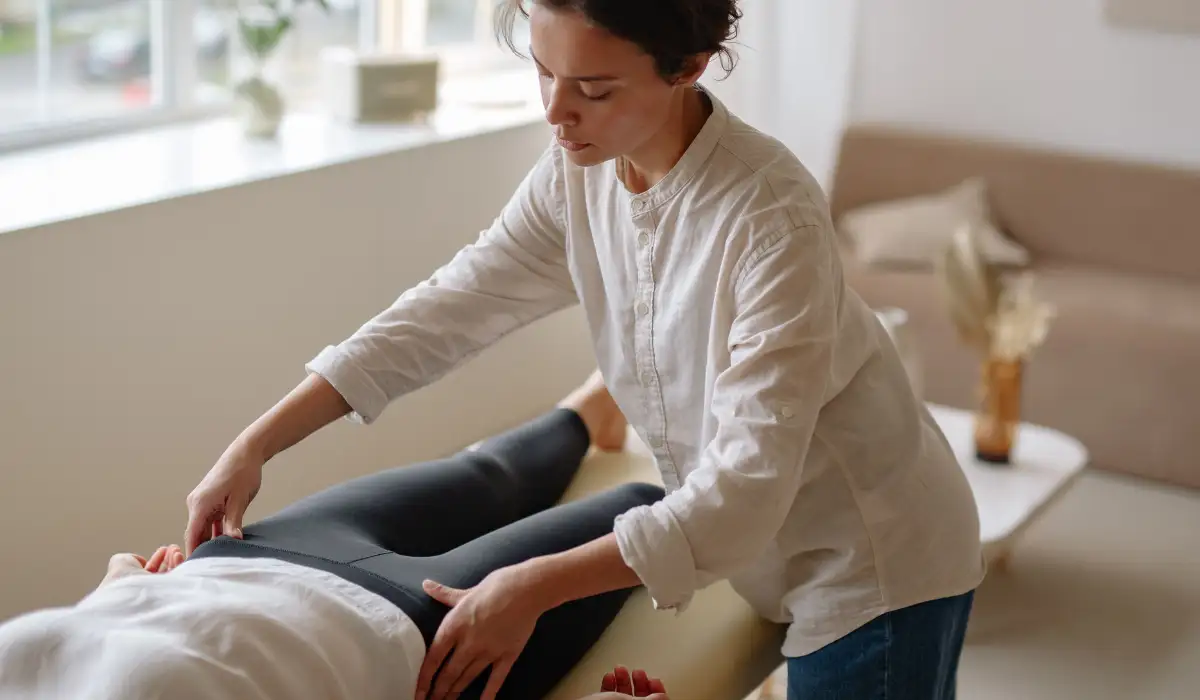
A pelvic floor physical therapist can assess whether symptoms are more related to tightness, weakness, or poor coordination.
What Helps Pelvic Floor Dysfunction?
Treatment depends on the symptom pattern. A tight pelvic floor usually needs relaxation, breathing work, gentle stretching, bowel habit support, and pelvic floor physical therapy before strengthening.
A weak pelvic floor may improve with pelvic floor exercises, Kegels, core strengthening, bladder training, constipation prevention, and pressure-control strategies. NIDDK explains that Kegel exercises can strengthen pelvic floor muscles that support the bladder, rectum, and uterus, but people should ask a healthcare professional before starting because these exercises may not be right in every case.
What to Do Next?
Start by tracking your symptoms for one to two weeks. Note urine leakage, urgency, constipation, stool leakage, pelvic pain, heaviness, exercise triggers, and symptoms during sex or bowel movements.
Then look for patterns. Leakage and heaviness may suggest weakness, while pain, constipation, urgency, and trouble relaxing may suggest tightness or poor coordination.
Bring your notes to a healthcare provider, pelvic floor physical therapist, gynecologist, urologist, urogynecologist, colorectal specialist, or primary care clinician.
Common Mistakes to Avoid
One common mistake is doing Kegels for every pelvic floor symptom. Kegels may help weak muscles, but they can worsen discomfort if the pelvic floor is already tight.
Another mistake is ignoring constipation. Repeated straining can increase pressure on the pelvic floor and make bladder, bowel, and support symptoms worse.
A third mistake is assuming pelvic pain, leakage, or pressure is normal after childbirth, surgery, menopause, or aging. These symptoms are common, but they are not something you have to accept without care.
When to Seek Medical Help?
Seek medical care if pelvic floor symptoms affect urination, bowel movements, sex, exercise, sleep, work, or daily comfort.
Get urgent medical help if you have:
- New loss of bladder or bowel control
- Numbness in the groin or saddle area
- Sudden inability to urinate
- Blood in urine or stool
- Fever with pelvic or urinary symptoms
- Severe pelvic pain
- New leg weakness or numbness
- A painful pelvic bulge
- Severe pain after injury, surgery, or childbirth
These signs may point to a condition that needs medical evaluation beyond pelvic floor exercises.
Questions to Ask a Healthcare Provider
- Do my symptoms suggest pelvic floor dysfunction?
- Are my pelvic floor muscles tight, weak, or poorly coordinated?
- Should I avoid Kegels for now?
- Do I need pelvic floor physical therapy?
- Could constipation or bladder irritation be contributing?
- Should I be checked for pelvic organ prolapse?
- Do I need urine testing, imaging, or bowel testing?
- What exercises are safe for my symptoms?
- How long should treatment take?
- When should I see a specialist?
Conclusion
The main signs of pelvic floor dysfunction include urine leakage, urinary urgency, constipation, straining, incomplete bowel emptying, pelvic pain, painful sex, stool leakage, pelvic heaviness, and trouble relaxing or controlling pelvic floor muscles.
Because symptoms can come from tightness, weakness, poor coordination, or another medical condition, the safest next step is proper evaluation. Treatment may include pelvic floor physical therapy, relaxation work, strengthening, bowel care, bladder training, or specialist care.
FAQs
Early signs may include urine leakage, frequent urination, constipation, pelvic pressure, painful sex, or trouble fully emptying the bladder or bowel. Symptoms may start mildly and worsen over time.
Yes. A tight or poorly coordinated pelvic floor can make it hard to relax during bowel movements. This may lead to straining, incomplete emptying, or chronic constipation.
Yes. Weak, tight, or poorly coordinated pelvic floor muscles may contribute to urine leakage. Leakage may happen with coughing, sneezing, lifting, running, or sudden urgency.
Pelvic pain can be a sign of pelvic floor dysfunction, especially when muscles are tight or tender. However, infections, endometriosis, bladder conditions, and nerve issues can also cause pain.
Tight muscles often cause pain, urgency, constipation, and trouble relaxing. Weak muscles often cause leakage, heaviness, bulging, and poor support. Some people have both patterns.
Kegels may help weak pelvic floor muscles, but they may not help tight muscles. If you have pain, constipation, or trouble urinating, get assessed first.