
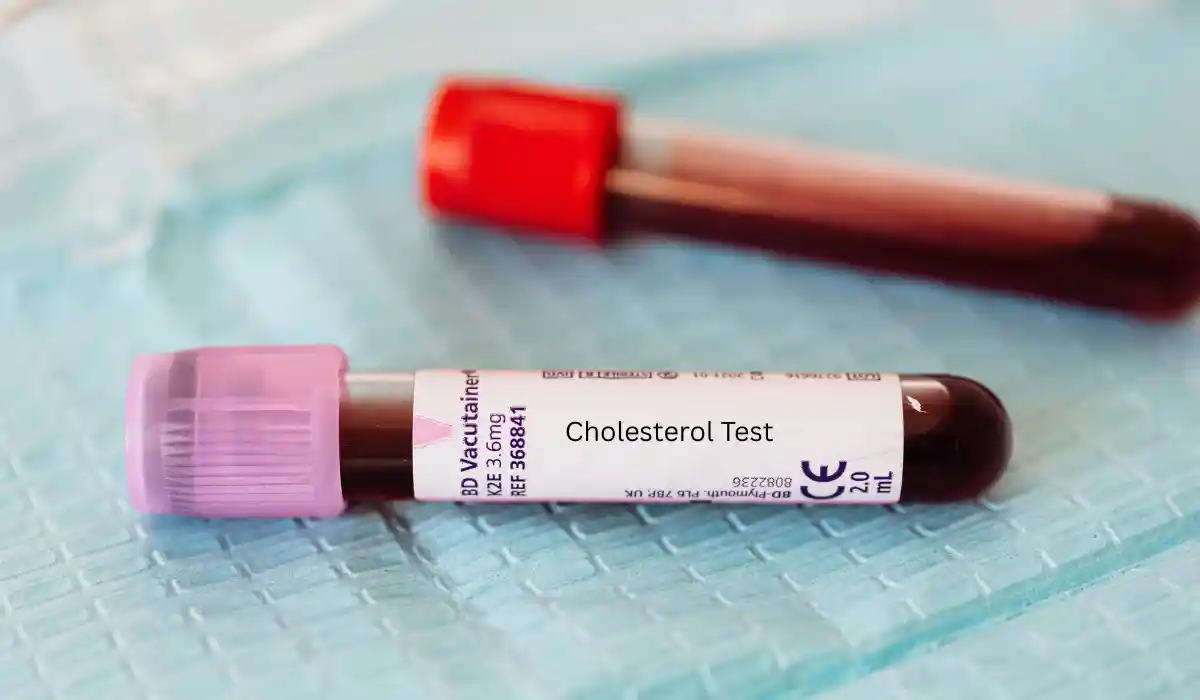
For adults, the total cholesterol normal range is below 200 mg/dL. Levels from 200 to 239 mg/dL fall into the borderline-high category, while levels of 240 mg/dL or higher indicate high cholesterol.
However, total cholesterol provides only part of the picture. Doctors also consider LDL, HDL, triglycerides, non-HDL cholesterol, and your overall cardiovascular risk.
What Is Total Cholesterol?
Cholesterol is a waxy substance that supports several essential body functions. For example, your body uses it to build cells and produce hormones, vitamin D, and digestive substances.
Your liver makes the cholesterol your body needs. However, animal-based foods such as meat, dairy products, and eggs also contain dietary cholesterol.
Because cholesterol cannot move freely through the blood, lipoproteins carry it throughout the body. These particles include LDL, HDL, VLDL, and other cholesterol carriers.
Total cholesterol combines the cholesterol carried by these different particles. Therefore, it does not represent one specific type of cholesterol.
Understanding a Lipid Panel
A lipid panel gives a more complete view of cardiovascular health than total cholesterol alone. It usually includes total cholesterol, LDL, HDL, triglycerides, and non-HDL cholesterol.
| Lipid measurement | General healthy level for adults |
| Total cholesterol | Below 200 mg/dL |
| LDL cholesterol | Below 100 mg/dL |
| Non-HDL cholesterol | Below 130 mg/dL |
| HDL cholesterol | 60 mg/dL or higher is generally favourable |
| Triglycerides | Below 150 mg/dL |
These numbers provide general reference points. Still, your healthcare provider may recommend lower targets based on your medical history.
LDL Cholesterol
Low-density lipoprotein, or LDL, carries cholesterol to tissues throughout the body. When too much LDL circulates in the blood, cholesterol may collect inside artery walls.
As a result, high LDL can increase the risk of atherosclerosis, heart attack, and stroke. For many adults, an LDL level below 100 mg/dL is considered optimal.
However, people at higher cardiovascular risk may need an LDL goal below 70 mg/dL. Those at very high risk may need a target below 55 mg/dL.
HDL Cholesterol
High-density lipoprotein, or HDL, helps carry cholesterol toward the liver for removal. For this reason, people often call it “good” cholesterol.
Generally, a higher HDL level is favourable. Nevertheless, high HDL does not cancel the risks associated with elevated LDL or other cardiovascular problems.
Triglycerides
Triglycerides store excess energy from food. The body uses them between meals when it needs additional fuel.
A triglyceride level below 150 mg/dL is generally healthy. In contrast, elevated triglycerides may become more concerning when they occur with high LDL, low HDL, diabetes, or metabolic syndrome.
Non-HDL Cholesterol
Non-HDL cholesterol includes LDL and other potentially harmful cholesterol-carrying particles. You can calculate it by subtracting HDL from total cholesterol.
For many adults, a non-HDL level below 130 mg/dL is a healthy general goal. Furthermore, this measurement can provide useful information when triglycerides are elevated.
Is Total Cholesterol Below 200 Always Healthy?
A result below 200 mg/dL is generally desirable, but it does not guarantee a healthy cholesterol pattern. Individual values can differ considerably even when two people have the same total result.
| Example | Total | LDL | HDL | General interpretation |
| Person A | 190 | 125 | 40 | LDL is above optimal and HDL is relatively low |
| Person B | 190 | 90 | 75 | More favourable cholesterol pattern |
Additionally, cholesterol numbers do not show every cardiovascular risk. Blood pressure, smoking, diabetes, kidney disease, age, and family history also matter.
Therefore, doctors focus more on LDL, non-HDL cholesterol, and overall risk than on total cholesterol alone.
Why Does Total Cholesterol Become High?
Total cholesterol may rise because LDL or other harmful cholesterol particles have increased. Occasionally, a high HDL level also raises the total without creating the same level of concern.
Diet High in Saturated Fat
Saturated and trans fats can raise LDL cholesterol. Common sources include fatty meat, processed meat, butter, full-fat dairy products, fried foods, pastries, and some packaged snacks.
Dietary cholesterol affects people differently. However, saturated and trans fats generally have a more consistent effect on LDL levels.
Limited Physical Activity
An inactive lifestyle may contribute to weight gain, insulin resistance, elevated triglycerides, and lower HDL cholesterol.
By contrast, regular activity can improve several cardiovascular risk factors. These benefits may occur even without major weight loss.
Excess Body Weight
Excess weight, particularly around the abdomen, may contribute to high triglycerides and insulin resistance.
Consequently, gradual weight loss may improve cholesterol, blood pressure, and blood sugar in people who carry excess weight.
Smoking
Smoking damages blood vessels and encourages plaque formation. It may also lower HDL cholesterol and increase the risk of blood clots.
Therefore, stopping smoking benefits the heart even when cholesterol results do not change dramatically.
Genetics
Genes affect how the liver produces and removes cholesterol. Some inherited conditions can cause very high LDL levels from childhood.
Familial hypercholesterolemia is one example. Without early treatment, it can substantially increase the risk of premature heart disease and stroke.
Medical Conditions
Hypothyroidism, diabetes, chronic kidney disease, liver disease, metabolic syndrome, and polycystic ovary syndrome may affect cholesterol levels.
Additionally, certain inflammatory conditions can alter the way the body processes fats. Treating the underlying condition may improve cholesterol, although some people still need separate treatment.
Medicines
Corticosteroids, retinoids, immunosuppressants, certain diuretics, and hormone treatments may change cholesterol or triglyceride levels.
However, you should not stop prescribed medicine on your own. Instead, ask the prescriber whether monitoring or an alternative treatment may help.
Does High Cholesterol Cause Symptoms?
High cholesterol usually causes no noticeable symptoms. Therefore, a person may feel healthy while plaque gradually develops inside the arteries.
Headaches, dizziness, fatigue, sweating, and neck pain do not reliably indicate high cholesterol. These symptoms may arise from many other conditions.
Inherited disorders may occasionally cause fatty deposits around the eyelids, skin, or tendons. A pale ring around the cornea at a young age may also require medical evaluation.
How Doctors Test Total Cholesterol?
A healthcare professional checks cholesterol with a blood test called a lipid panel. The laboratory then measures or calculates total cholesterol, LDL, HDL, triglycerides, and non-HDL cholesterol.
Many people can complete routine screening without fasting. However, your clinician may request an 8-to-12-hour fast if triglycerides are elevated or previous results require clarification.
Current American Heart Association guidance recommends cholesterol testing for adults aged 19 and older. Nevertheless, testing frequency depends on age, risk factors, previous results, and medication use.
Additional Tests
Sometimes, a standard lipid panel does not fully explain cardiovascular risk. In that case, a clinician may recommend tests for apolipoprotein B or lipoprotein(a).
They may also check thyroid function, blood sugar, kidney function, or liver health to identify underlying causes.
Treatment Options
Doctors base treatment mainly on LDL cholesterol and overall cardiovascular risk. As a result, two people with the same total cholesterol may receive different recommendations.
Heart-Healthy Lifestyle Changes
Lifestyle changes may improve cholesterol and reduce cardiovascular risk. Important steps include eating a balanced diet, exercising regularly, maintaining a suitable weight, sleeping well, and avoiding tobacco.
These changes may be enough for someone with mildly abnormal results and low overall risk. However, people with inherited high cholesterol or significant cardiovascular risk may also need medication.
Cholesterol-Lowering Medicines
Statins are the most commonly prescribed cholesterol-lowering medicines. They reduce cholesterol production in the liver and can lower the risk of heart attack and stroke.
Other options include ezetimibe, PCSK9 inhibitors, bempedoic acid, and inclisiran. Some patients may also need treatment aimed at very high triglycerides.
Your clinician will consider your LDL level, age, diabetes status, kidney function, cardiovascular history, side effects, and possible medication interactions.
Most importantly, do not stop medication because your latest result appears normal. The improvement may show that the medicine is working.
Lifestyle Tips for Healthy Cholesterol
Choose More Soluble Fibre
Oats, barley, beans, lentils, apples, citrus fruits, and psyllium contain soluble fibre. This type of fibre may reduce cholesterol absorption in the digestive tract.
Increase fibre gradually and drink enough water to reduce bloating or constipation.
Replace Saturated Fats
Choose olive oil, nuts, seeds, avocado, and fish instead of butter, fatty meat, and full-fat dairy products.
In other words, replacing unhealthy fats is usually more helpful than removing all fat from the diet.
Exercise Regularly
Aim for about 150 minutes of moderate physical activity each week when medically appropriate. Brisk walking, cycling, swimming, and dancing are practical options.
Additionally, strength exercises can support weight management and overall metabolic health.
Avoid Smoking
Stopping smoking supports healthier blood vessels and may improve HDL cholesterol. Counselling and approved stop-smoking treatments can make quitting more manageable.
Manage Other Health Conditions
Control high blood pressure, diabetes, kidney disease, and thyroid disorders according to your treatment plan.
Together, these steps can reduce cardiovascular risk more effectively than focusing only on total cholesterol.
Long-Term Outlook
Cholesterol levels may improve within several weeks after effective lifestyle or medication changes. However, long-term consistency matters more than a short restrictive diet.
People with inherited high cholesterol often need lifelong monitoring and treatment. Fortunately, early diagnosis can reduce long-term exposure to high LDL.
Even after cholesterol reaches a healthy range, continue the habits and treatments that helped produce the improvement.
Risks and Complications
High LDL and other harmful cholesterol particles may contribute to plaque buildup inside artery walls. Doctors call this process atherosclerosis.
Over time, plaque may narrow an artery or rupture and trigger a blood clot. Consequently, untreated high cholesterol may increase the risk of coronary artery disease, heart attack, ischemic stroke, carotid artery disease, and peripheral artery disease.
The risk becomes greater when high cholesterol occurs with smoking, hypertension, diabetes, kidney disease, or a family history of early cardiovascular disease.
When to See a Doctor?
Schedule an appointment if your total cholesterol reaches 200 mg/dL or higher or if LDL, non-HDL cholesterol, or triglycerides exceed the recommended range.
You should seek prompt medical evaluation when LDL reaches 190 mg/dL or higher. This result may indicate severe or inherited hypercholesterolemia.
Also, discuss your results with a clinician if close relatives developed heart disease or stroke at a young age.
Emergency Warning Signs
Call emergency services immediately for chest pressure, squeezing, fullness, or pain, especially if it spreads to the arm, back, neck, shoulder, or jaw.
Similarly, seek urgent help for sudden shortness of breath, cold sweating, faintness, severe nausea, or unusual weakness.
Stroke warning signs include facial drooping, one-sided weakness, speech difficulty, sudden confusion, vision changes, severe dizziness, or loss of coordination.
These symptoms do not come directly from the cholesterol number. Instead, they may indicate a serious cardiovascular complication.
Questions to Ask Your Doctor
Ask your doctor what your LDL and non-HDL targets should be based on your personal cardiovascular risk.
You may also ask whether you need fasting repeat testing, lipoprotein(a), apolipoprotein B, genetic testing, or a cardiovascular risk assessment.
If your clinician recommends medication, discuss the expected benefits, possible side effects, interactions, cost, and follow-up schedule.
Conclusion
The total cholesterol normal range for adults is below 200 mg/dL. Levels from 200 to 239 mg/dL are borderline high, while 240 mg/dL or higher indicates high cholesterol.
Still, total cholesterol alone cannot determine heart risk. Your healthcare provider should review LDL, HDL, triglycerides, non-HDL cholesterol, and other cardiovascular factors together.
FAQS
A total cholesterol level below 200 mg/dL is generally desirable for adults. However, LDL and non-HDL cholesterol also require attention.
A result of 200 mg/dL begins the borderline-high range. It is not an emergency, but a healthcare provider should review the full lipid panel.
Yes. A total cholesterol level of 240 mg/dL or higher falls into the high category and requires medical review.
Yes. High HDL may raise the total number. Therefore, you should always interpret total cholesterol alongside LDL, HDL, and triglycerides.
LDL often provides more useful treatment information because it directly contributes to plaque formation. However, overall cardiovascular risk remains important.
Not always. Many routine tests do not require fasting, although your clinician may request it when triglycerides are high.
High cholesterol usually causes no symptoms. Fatigue may have another cause and should not determine whether your cholesterol is high.
Cholesterol may begin improving within weeks. Nevertheless, your clinician should decide when to repeat the lipid panel.
Yes. A person may have normal total cholesterol but high LDL, low HDL, hypertension, diabetes, or other cardiovascular risk factors.
Many healthy adults undergo testing every four to six years. However, people with abnormal results or higher risk may need more frequent checks.