For most adults without diabetes, normal blood sugar 2 hours after eating is generally expected to be below 140 mg/dL (7.8 mmol/L). For most nonpregnant adults with diabetes, a common target is below 180 mg/dL (10.0 mmol/L) two hours after the meal begins.
These are general reference points, not personal targets. Pregnancy, age, medication use, health conditions, and diabetes type can change what is appropriate.
What Is Blood Sugar Two Hours After Eating?
Blood sugar two hours after eating is called a postprandial glucose reading. It shows how effectively the body manages glucose after food consumption.
The two-hour period is usually counted from the beginning of the meal, not when the meal ends. Post-meal glucose measurements are generally taken one to two hours after the first bite because glucose often reaches its highest level during this period.
A healthcare professional may recommend checking after meals to evaluate food choices, medication effectiveness, insulin doses, physical activity, or overall diabetes management.
What Is a Normal Two-Hour Reading?
A result below 140 mg/dL is generally expected two hours after eating in someone without diabetes. However, values after an ordinary mixed meal vary according to what was eaten, portion size, activity, stress, and individual metabolism.
For most nonpregnant adults with diabetes, the usual target is below 180 mg/dL one to two hours after the meal starts. Personal targets may be higher or lower depending on age, health, hypoglycemia risk, and treatment plan.
During Pregnancy
Blood sugar targets are usually tighter during pregnancy. A commonly recommended goal is 120 mg/dL or below two hours after eating.
Pregnant people should follow the targets provided by their prenatal or diabetes care team. The target used for daily monitoring is different from the glucose values used to diagnose gestational diabetes.
Why Does Blood Sugar Rise After Eating?
Carbohydrates from foods such as bread, rice, potatoes, fruit, milk, sweets, and sugary drinks are broken down into glucose. This glucose enters the bloodstream and causes blood sugar to rise.
The pancreas responds by releasing insulin. Insulin allows glucose to enter muscle, fat, and other cells, where it can be used or stored for energy.
In people with insulin resistance, the cells do not respond effectively to insulin. The pancreas may initially produce more insulin, but blood glucose can eventually remain elevated for longer after meals.
What Can Cause a High Post-Meal Reading?
A large serving of refined carbohydrates or added sugar can cause a sharper glucose rise. Sugary drinks, white bread, sweets, large portions of rice, and heavily processed snacks may be absorbed quickly.
Other possible contributors include insufficient insulin, missed diabetes medication, illness, infection, emotional stress, poor sleep, limited physical activity, steroid medicines, and dehydration.
Repeated high readings may also be associated with prediabetes, type 1 diabetes, type 2 diabetes, gestational diabetes, pancreatic disorders, or certain hormonal conditions.
One elevated result does not establish the cause. Look for patterns and discuss repeated abnormal readings with a healthcare professional.
Symptoms of High Blood Sugar
Mild post-meal elevations may cause no symptoms. This is why testing is important for people who have diabetes or are at increased risk.
When glucose becomes significantly elevated, possible symptoms include increased thirst, frequent urination, blurred vision, fatigue, headache, dry mouth, and difficulty concentrating.
Unexplained weight loss, recurrent infections, slow-healing wounds, or persistent numbness and tingling also deserve medical evaluation.
Symptoms of Low Blood Sugar
A reading below 70 mg/dL is generally considered low. Hypoglycemia most often affects people taking insulin or medicines that increase insulin production.
Symptoms can include sweating, shaking, hunger, weakness, dizziness, irritability, rapid heartbeat, confusion, or difficulty concentrating.
Severe hypoglycemia may cause difficulty speaking, unusual behavior, seizures, loss of consciousness, or coma. It requires immediate treatment and may require emergency assistance.
How to Check Blood Sugar Correctly?
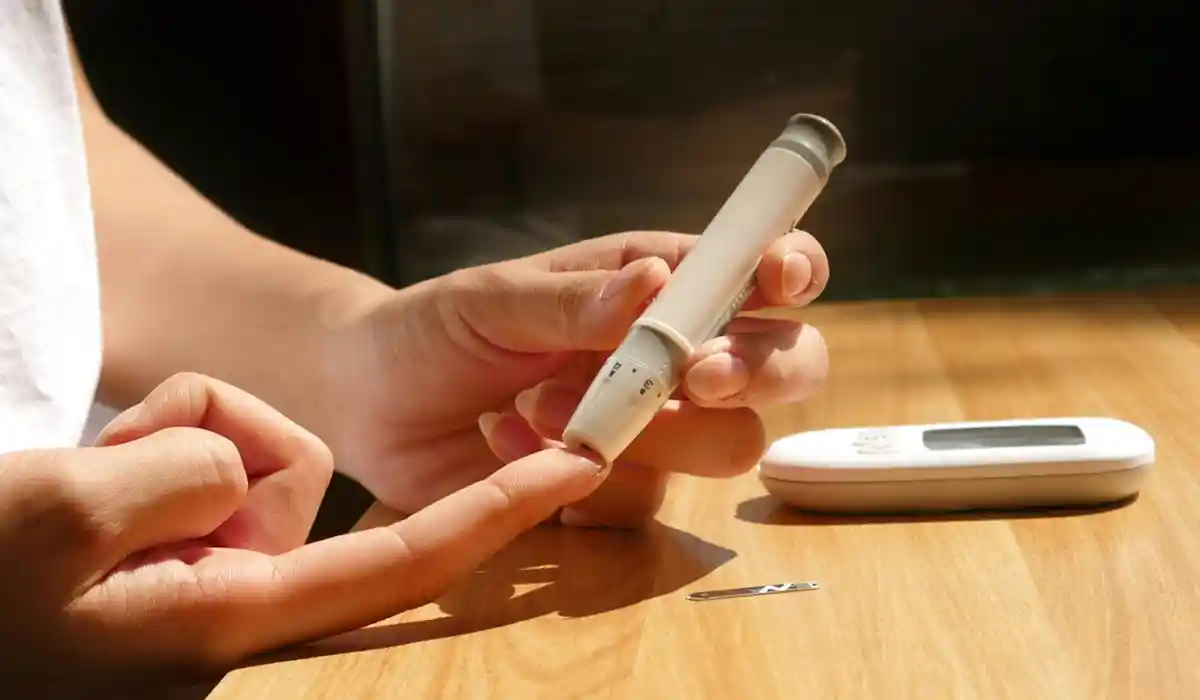
Wash and dry your hands before testing because food residue can produce an inaccurate result. Insert a fresh test strip, prick the side of a fingertip, and apply the blood sample as directed by the meter manufacturer.
Start timing from the first bite of the meal. Record the result exactly two hours later, along with the foods eaten, medication, activity, illness, stress, and unusual symptoms.
Use unexpired test strips stored according to their instructions. Repeat a result if it seems inconsistent with how you feel, and contact your healthcare team if unexpected values continue.
A continuous glucose monitor measures glucose in fluid under the skin rather than directly in the blood. Its reading may differ slightly from a finger-stick result, especially when glucose is changing quickly.
Diagnosis and Testing
A home glucose meter is useful for monitoring patterns, but it cannot independently diagnose diabetes. Diagnosis usually requires laboratory testing and, unless symptoms are clear and glucose is very high, confirmation with another abnormal result.
Oral Glucose Tolerance Test
For a formal two-hour oral glucose tolerance test, a person fasts and then drinks a liquid containing 75 grams of glucose. Blood is tested two hours later.
| Two-hour OGTT result | General interpretation |
| Below 140 mg/dL | Normal |
| 140–199 mg/dL | Prediabetes |
| 200 mg/dL or higher | Diabetes range |
These values should not be applied directly to a home reading after a regular meal. The glucose drink and testing conditions are standardized.
Other Tests
A fasting plasma glucose test measures blood sugar after at least eight hours without food. An A1C test estimates average glucose over approximately two to three months.
A random plasma glucose of 200 mg/dL or higher with classic symptoms may support a diabetes diagnosis. Your healthcare professional will determine which tests are appropriate.
Treatment and Management
Treatment depends on whether elevated post-meal glucose is caused by prediabetes, diabetes, pregnancy, medication, illness, or another condition.
A healthcare provider may recommend changes to food portions, carbohydrate distribution, physical activity, weight management, sleep, or medication timing. People with diabetes may need adjustments to oral medicine, injectable treatment, or insulin.
Do not increase, skip, or stop diabetes medicine based on a single home reading. Medication changes should be made with guidance from the prescribing professional.
Pregnant people with elevated readings should contact their prenatal care team. Management may involve nutrition therapy, activity, frequent monitoring, and insulin when lifestyle measures are insufficient.
Lifestyle Tips for Healthier Post-Meal Glucose
Balance Carbohydrates
Combine carbohydrates with protein, fibre, or healthy fat. For example, pair fruit with unsweetened yogurt or add beans and vegetables to a smaller portion of rice.
This combination may slow digestion and produce a steadier glucose response than eating refined carbohydrates alone.
Choose Higher-Fibre Foods
Vegetables, beans, lentils, whole grains, nuts, seeds, and whole fruit generally contain more fibre than refined foods.
Fibre can slow carbohydrate absorption and support digestive, metabolic, and cardiovascular health.
Watch Portion Sizes
Even nutritious carbohydrate-rich foods can raise glucose when eaten in large quantities. A dietitian or diabetes educator can help determine suitable portions without creating an overly restrictive diet.
Limit Sugary Drinks
Soft drinks, sweetened tea, energy drinks, and large servings of fruit juice can raise glucose quickly because their carbohydrates are rapidly absorbed.
Water, unsweetened tea, or another sugar-free drink is usually a better everyday option.
Move After Meals
A short walk after eating may help muscles use glucose. The activity should be appropriate for your fitness, medical conditions, medication, and risk of low blood sugar.
People using insulin should discuss exercise timing and hypoglycemia prevention with their care team.
Track Patterns
Record several readings rather than focusing on one number. Note which meals repeatedly produce higher results and share this information with your healthcare professional.
Risks of Repeated High Blood Sugar
Repeated post-meal spikes can contribute to a higher A1C and may indicate that diabetes is not adequately controlled.
Over time, persistent hyperglycemia can damage blood vessels and nerves. Possible complications include heart disease, stroke, kidney disease, vision loss, nerve damage, foot problems, and slower wound healing.
High blood sugar during pregnancy may increase the risk of excessive fetal growth, birth complications, preeclampsia, and newborn hypoglycemia. Appropriate prenatal treatment can reduce these risks.
When to See a Doctor?
Arrange a medical appointment if two-hour readings are repeatedly above your recommended range, even if you feel well. You should also seek evaluation for increased thirst, frequent urination, blurred vision, unexplained weight loss, or recurrent infections.
Contact your diabetes care team if your readings remain high despite following your treatment plan, or if you experience repeated results below 70 mg/dL.
If you are pregnant, report repeated readings above the target given by your prenatal team rather than waiting for the next routine appointment.
Emergency Warning Signs
Seek urgent medical assistance for severe confusion, seizures, fainting, inability to swallow, or unconsciousness related to low blood sugar.
People with diabetes who are ill and have glucose at or above 240 mg/dL should follow their sick-day plan and check ketones when instructed. High ketones can indicate diabetic ketoacidosis.
Emergency symptoms include vomiting, stomach pain, fast or deep breathing, fruity-smelling breath, severe dehydration, marked drowsiness, or difficulty breathing. Diabetic ketoacidosis is a medical emergency.
Conclusion
Normal blood sugar two hours after eating is generally below 140 mg/dL for adults without diabetes. For most nonpregnant adults with diabetes, the usual target is below 180 mg/dL, while pregnancy often requires a target of 120 mg/dL or lower.
One home reading cannot diagnose diabetes. Repeated unusual results, symptoms, or readings outside your personal target should be discussed with a healthcare professional.
FAQS
A value below 140 mg/dL is generally expected in adults without diabetes. A result of exactly 140 requires context and does not diagnose prediabetes by itself.
For most adults with diabetes, below 180 mg/dL is a common post-meal target. For someone without diabetes, repeated readings near this level need medical evaluation.
Start timing from the beginning of the meal, usually from the first bite, unless your healthcare provider gives you different instructions.
No. A single home reading cannot confirm diabetes. Laboratory testing and usually a second abnormal result are needed for diagnosis.
A commonly recommended target is 120 mg/dL or below. Follow the individualized range provided by your prenatal healthcare team.
Early insulin resistance may affect post-meal glucose before fasting results become abnormal. Meal size, carbohydrate type, stress, illness, and medication can also contribute.
Yes. Stress hormones can prompt the liver to release glucose and may reduce insulin effectiveness, causing higher readings in some people.
Light or moderate activity after a meal may help muscles use glucose. Ask your clinician about safety if you use insulin or have heart, nerve, or foot problems.
A value below 70 mg/dL is considered low and should be treated according to your diabetes plan. Severe symptoms require immediate assistance.
Testing frequency depends on diabetes type, medication, pregnancy, and treatment goals. Follow the schedule recommended by your healthcare provider.