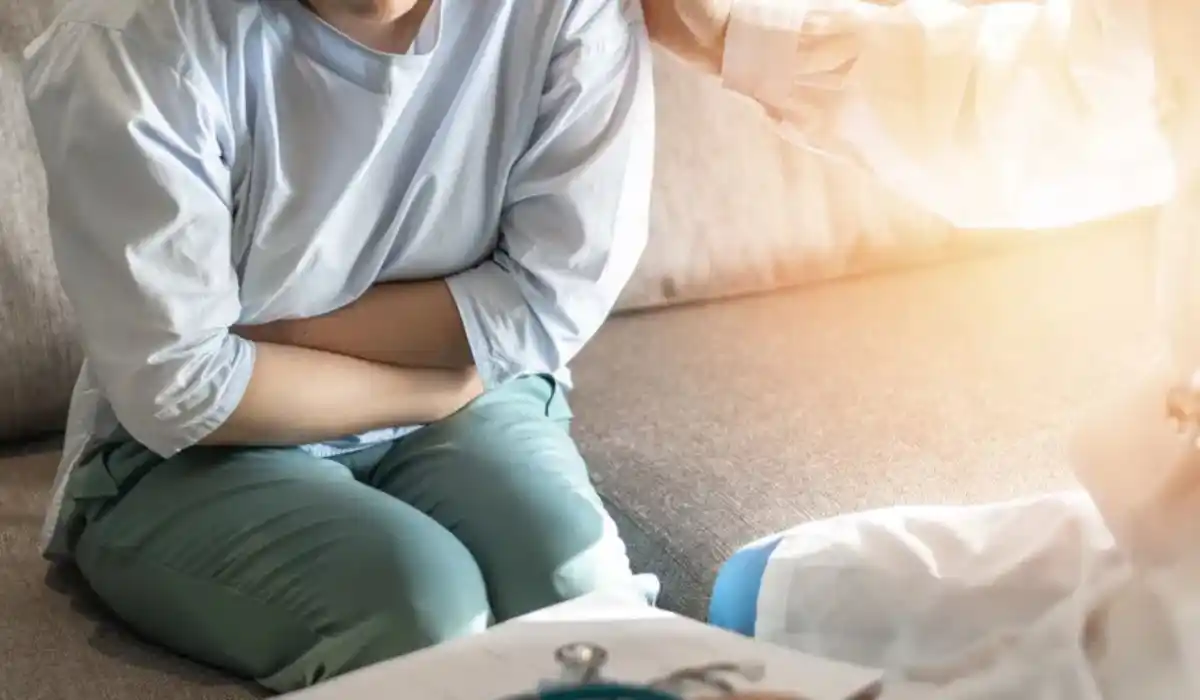
Symptoms of gallbladder problems in females often include pain in the upper right abdomen, nausea, vomiting, bloating, pain after fatty meals, and pain that spreads to the back or right shoulder. Some females may also notice fever, chills, yellow skin, dark urine, pale stools, or worsening pain that needs urgent medical care.
Gallbladder problems are common, and females have a higher risk of gallstones than males. Pregnancy, hormone changes, birth control pills, hormone therapy, weight changes, and age can all affect gallbladder health.
Not every stomach pain is caused by the gallbladder. However, knowing the warning signs can help you seek care early and avoid complications such as infection, blocked bile ducts, or pancreatitis.
Quick Answer
Gallbladder problems in females can cause sudden or repeated pain in the upper right abdomen. The pain may feel sharp, gripping, cramping, or steady.
The pain often happens after eating, especially after fatty or heavy meals. It may spread to the upper back, right shoulder, or area behind the breastbone.
Other symptoms may include nausea, vomiting, bloating, indigestion, fever, chills, jaundice, dark urine, or pale stools. Severe or long-lasting symptoms should be checked quickly.
What Is The Gallbladder?
The gallbladder is a small pear-shaped organ under the liver. It stores bile, a digestive fluid that helps break down fat.
When you eat, the gallbladder squeezes bile into the small intestine. This helps your body digest fatty foods.
Gallbladder problems happen when bile flow is blocked, the organ becomes inflamed, or stones form inside it. Gallstones are one of the most common causes of gallbladder symptoms.
Why Are Gallbladder Problems Common In Females?
Females are more likely to develop gallstones than males. Mayo Clinic lists being female, pregnancy, obesity, diabetes, rapid weight loss, high-fat diet, low-fiber diet, and family history as gallstone risk factors.
Hormones may play a role. Higher estrogen levels can increase cholesterol in bile, while pregnancy can slow gallbladder emptying. This may make stones more likely to form.
Polycystic ovary syndrome and gallbladder problems in females are different conditions. PCOS mainly affects hormones and the ovaries, often causing irregular periods, acne, excess hair growth, weight gain, and fertility concerns. Gallbladder problems affect digestion and often cause upper right abdominal pain, nausea, vomiting, bloating, and pain after fatty meals. Some risk factors, such as obesity, insulin resistance, and rapid weight changes, may overlap, but the symptoms and treatment are different.
Risk can also rise with age, especially after 40. However, younger females can also have gallbladder symptoms, especially during or after pregnancy, with rapid weight loss, or with certain health conditions.
Common Symptoms Of Gallbladder Problems In Females
Symptoms can vary from mild discomfort to severe pain. Some females may have gallstones without knowing it.
Common symptoms may include:
- Upper right abdominal pain
- Pain after fatty meals
- Pain that spreads to the back
- Pain near the right shoulder
- Nausea
- Vomiting
- Bloating
- Gas
- Indigestion
- Fever or chills
- Yellow skin or eyes
- Dark urine
- Pale or clay-colored stools
- Sweating during pain attacks
Johns Hopkins describes gallbladder disease pain as steady gripping or gnawing pain in the upper right abdomen near the rib cage, which may radiate to the upper back. Nausea or vomiting may also occur.
Upper Right Abdominal Pain
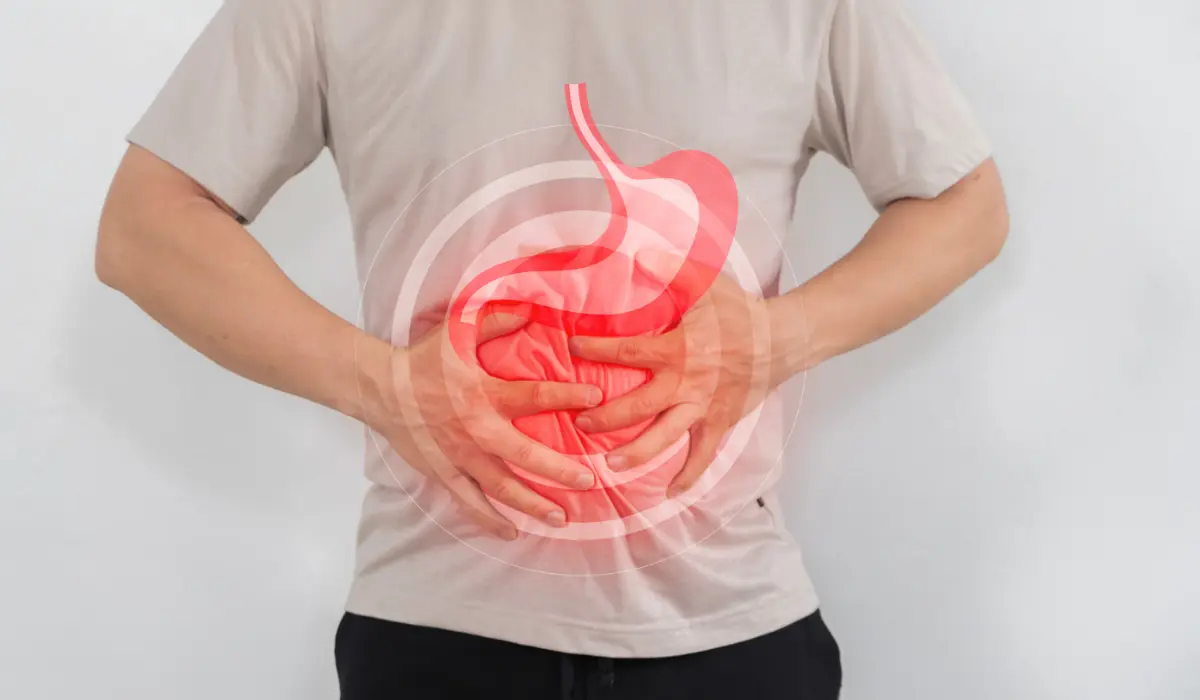
Upper right abdominal pain is one of the most common signs of gallbladder trouble. It may happen under the right ribs or near the upper middle abdomen.
The pain may start suddenly and build quickly. Some females describe it as sharp, squeezing, cramping, or deep pressure.
This pain may last minutes to hours. If pain becomes severe, lasts longer than a few hours, or comes with fever or jaundice, medical care is important.
Pain After Eating Fatty Foods
Gallbladder pain often happens after eating fatty or heavy meals. This is because the gallbladder squeezes bile to help digest fat.
If a gallstone blocks bile flow, the squeezing can trigger pain. This type of pain is sometimes called biliary colic or a gallbladder attack.
Johns Hopkins notes that gallstone attacks often happen after a fatty meal and at night.
Pain That Spreads To The Back Or Right Shoulder
Gallbladder pain does not always stay in the abdomen. It may spread to the upper back, right shoulder blade, or chest area.
This happens because pain from the gallbladder can be referred to nearby areas. Referred pain means the body feels pain in one area even though the source is somewhere else.
Cleveland Clinic explains that gallbladder pain is often felt in the upper right abdomen and may spread to the back or right shoulder.
Nausea, Vomiting, And Bloating
Many females with gallbladder problems also feel nauseated. Vomiting may happen during a gallbladder attack.
Bloating, gas, burping, and indigestion can also occur. These symptoms may be worse after fatty foods.
Because these symptoms can also happen with acid reflux, gastritis, food intolerance, or stomach infection, doctors often look at the full symptom pattern before making a diagnosis.
Jaundice, Dark Urine, And Pale Stools
Yellow skin or yellow eyes can be a warning sign. This is called jaundice and may happen when bile flow is blocked.
Dark urine and pale or clay-colored stools may also suggest a bile duct problem. These symptoms should not be ignored.
NIDDK explains that gallstones can block bile ducts and cause sudden pain that needs medical attention; untreated blockage can lead to complications.
Fever And Chills
Fever and chills may suggest inflammation or infection. This can happen if the gallbladder becomes inflamed, a condition called cholecystitis.
Pain with fever, chills, or feeling very unwell needs prompt medical care. An infected or severely inflamed gallbladder can become serious.
Cleveland Clinic explains that obstruction or infection in the gallbladder or bile ducts can cause inflammation, pain, and swelling.
Symptoms During Pregnancy
Gallbladder symptoms may appear during pregnancy or after delivery. Pregnancy hormones can affect bile and slow gallbladder emptying.
Some pregnant females may notice upper right abdominal pain, nausea, vomiting, or pain after fatty meals. These symptoms should be discussed with an obstetrician or healthcare provider.
Do not assume abdominal pain in pregnancy is only digestive. Severe pain, fever, vomiting, jaundice, or reduced fetal movement needs urgent medical attention.
Gallbladder Attack Symptoms
A gallbladder attack often comes on suddenly. It may happen after a heavy meal, fatty food, or at night.
Common gallbladder attack symptoms include:
- Sudden upper right abdominal pain
- Pain that builds quickly
- Pain lasting 30 minutes or longer
- Nausea or vomiting
- Pain spreading to the back or right shoulder
- Sweating
- Trouble getting comfortable
If the pain is intense or keeps returning, you should contact a healthcare provider.
What Causes Gallbladder Problems?
Gallstones are the most common cause. They form when substances in bile, often cholesterol or bilirubin, harden into stone-like pieces.
Other gallbladder problems may include inflammation, infection, bile duct blockage, gallbladder sludge, polyps, or poor gallbladder emptying.
Risk factors may include being female, pregnancy, obesity, rapid weight loss, diabetes, family history, age over 40, certain blood disorders, and high-fat or low-fiber diets.
How Doctors Diagnose Gallbladder Problems?
Doctors may start with a medical history and physical exam. They may ask where the pain is, when it happens, what foods trigger it, and whether symptoms include fever, vomiting, jaundice, or stool changes.
Blood tests may check for infection, inflammation, liver problems, bile duct blockage, or pancreas irritation.
Imaging tests are often used. NIDDK says doctors may use ultrasound, CT scan, MRI, cholescintigraphy, or ERCP to diagnose gallstones and related problems.
Treatment Options
Treatment depends on the cause and severity of symptoms. Gallstones that do not cause symptoms may not need treatment.
If gallstones cause repeated pain or complications, doctors may recommend gallbladder removal surgery.
Other treatment may include pain control, antibiotics for infection, ERCP for blocked bile ducts, dietary changes, or monitoring depending on the condition.
Can You Live Without A Gallbladder?
Yes, you can live without a gallbladder. The liver still makes bile after gallbladder removal.
Instead of being stored in the gallbladder, bile flows more directly into the small intestine. Some people may notice temporary diarrhea, bloating, or changes with fatty foods after surgery.
Most people return to normal activities after recovery, but follow your surgeon’s advice about diet, lifting, wound care, and follow-up.
When To See A Doctor?
See a healthcare provider if you have repeated upper right abdominal pain, pain after fatty meals, nausea, vomiting, bloating, or pain that spreads to the back or shoulder.
Get urgent medical care if you have:
- Severe abdominal pain
- Pain lasting more than a few hours
- Fever or chills
- Yellow skin or eyes
- Dark urine
- Pale stools
- Repeated vomiting
- Confusion
- Fainting
- Pain during pregnancy
- Signs of dehydration
Prevention And Lifestyle Tips
You cannot prevent every gallbladder problem, but some habits may reduce risk.
Helpful steps may include:
- Maintain a healthy weight
- Avoid rapid weight loss
- Eat more fiber-rich foods
- Limit very fatty meals
- Stay physically active
- Manage diabetes
- Follow pregnancy care advice
- Discuss hormone medicines with your doctor if concerned
- Seek care for repeated abdominal pain
Do not start a strict diet or gallbladder cleanse without medical advice. Rapid weight loss can increase gallstone risk.
Questions To Ask Your Doctor
If you think you may have gallbladder problems, ask clear questions.
Helpful questions include:
- Could my symptoms be from my gallbladder?
- Do I need an ultrasound?
- Are my liver or pancreas blood tests abnormal?
- Do I have gallstones?
- Is surgery needed?
- Could pregnancy or hormones affect my risk?
- What foods should I avoid for now?
- What symptoms need urgent care?
- Can I live normally without my gallbladder?
- Do I need to see a surgeon?
These questions can help you understand your diagnosis and treatment options.
Conclusion
Symptoms of gallbladder problems in females often include upper right abdominal pain, nausea, vomiting, bloating, pain after fatty meals, and pain spreading to the back or right shoulder.
More serious signs include fever, chills, jaundice, dark urine, pale stools, severe pain, or repeated vomiting. These symptoms may suggest blocked bile flow, infection, or inflammation.
Females have a higher risk of gallstones, especially with pregnancy, hormone changes, obesity, rapid weight loss, diabetes, or family history. If symptoms keep returning or feel severe, speak with a healthcare provider.
FAQs
Early symptoms may include upper right abdominal pain, nausea, bloating, indigestion, pain after fatty meals, or pain spreading to the back.
Gallbladder pain is often felt under the right ribs or upper middle abdomen. It may spread to the back or right shoulder.
A gallbladder attack may feel like sudden, steady, sharp, cramping, or gripping pain in the upper right abdomen.
Females have higher risk partly due to hormones, pregnancy, birth control, hormone therapy, weight changes, and other metabolic factors.
Yes. Nausea and vomiting commonly happen with gallbladder pain, especially during a gallbladder attack after eating fatty foods.
Yes. Pregnancy can increase gallstone risk. Upper right abdominal pain, vomiting, fever, or jaundice during pregnancy needs medical care.
Fatty, greasy, fried, or heavy meals may trigger gallbladder pain in some people, especially when gallstones block bile flow.
Doctors may use medical history, physical exam, blood tests, ultrasound, CT scan, MRI, HIDA scan, or ERCP when needed.
Go urgently for severe pain, fever, chills, jaundice, dark urine, pale stools, repeated vomiting, fainting, or pain during pregnancy.
Yes. Many people live normally without a gallbladder. The liver still makes bile, but digestion may change temporarily after surgery.
References:
- Mayo Clinic
https://www.mayoclinic.org/diseases-conditions/gallstones/symptoms-causes/syc-20354214 - NIDDK
https://www.niddk.nih.gov/health-information/digestive-diseases/gallstones/diagnosis - Cleveland Clinic
https://my.clevelandclinic.org/health/diseases/15265-gallbladder-swelling--inflammation-cholecystitis