
Early pregnancy discharge is common and often normal. Many people notice more vaginal discharge in the first weeks because pregnancy hormones and increased blood flow can affect the cervix and vagina. Normal discharge is usually thin, clear, white, or milky and does not cause itching, burning, or a strong bad smell.
Still, discharge can feel worrying when you are newly pregnant. The color, smell, texture, and symptoms around it can help you understand what may be normal and what needs medical advice.
What Does Normal Early Pregnancy Discharge Look Like?
Normal pregnancy discharge is often called leukorrhea. It is usually thin or slightly sticky, mild-smelling or odorless, and clear to white in color.
Some people notice only a little extra discharge. Others may feel wetter than usual throughout the day. This can be normal as long as there is no pain, itching, burning, bad odor, or heavy bleeding.
Why Does Discharge Increase in Early Pregnancy?
Discharge can increase because pregnancy changes hormone levels and blood flow around the reproductive organs. The cervix also begins producing more mucus, which helps protect the uterus from infection.
This does not mean something is wrong. For many people, increased discharge is one of the early body changes that happens before the pregnancy feels obvious.
White or Milky Discharge
White or milky discharge is often normal in early pregnancy. It may look creamy, thin, or slightly sticky.
However, thick white discharge with itching, redness, soreness, or burning may suggest a yeast infection. Yeast infections are common, but they should still be checked during pregnancy before using treatment.
Clear Watery Discharge
Clear discharge can be normal, especially if it is mild and does not smell bad. Some people notice more watery discharge due to hormone changes.
A sudden gush of fluid or constant leaking should be checked. In early pregnancy, watery discharge may have different causes, and a healthcare provider can help rule out infection or other concerns.
Brown Discharge in Early Pregnancy
Brown discharge usually means old blood is leaving the body slowly. It may happen after implantation, sex, a pelvic exam, or mild cervical irritation.
Light brown spotting can be harmless, but it should be watched. Call a healthcare provider if it becomes heavier, turns bright red, comes with strong cramps, or happens after a positive pregnancy test with pain.
Pink or Light Red Discharge
Pink discharge may happen when a small amount of blood mixes with normal discharge. This can happen during implantation spotting, cervical irritation, or early pregnancy changes.
Light spotting may not always mean pregnancy loss. However, bleeding with pain, dizziness, shoulder pain, or heavy flow should be checked quickly because early pregnancy bleeding has several possible causes.
Yellow, Green, or Gray Discharge
Yellow, green, or gray discharge may suggest infection, especially if it comes with a bad smell, itching, burning, pelvic pain, or pain during urination.
Possible causes may include bacterial imbalance, sexually transmitted infections, or other vaginal infections. A tight or weak pelvic floor can sometimes cause pelvic pressure or discomfort, but it does not usually cause unusual-colored discharge. These symptoms should be checked because infections during pregnancy may need safe treatment.
Discharge With Itching or Burning
Itching, burning, swelling, or redness is not typical normal pregnancy discharge. These symptoms may point to yeast infection, bacterial vaginosis, irritation, or an STI.
Avoid self-treating during pregnancy unless a healthcare provider says it is safe. The right treatment depends on the cause.
Discharge With Odor
A mild smell can happen, but a strong fishy, foul, or unpleasant odor is not something to ignore. Odor with unusual color or irritation may suggest infection.
Tell your provider about the color, smell, texture, and any pain or itching. This helps them decide whether testing is needed.
Practical Tips for Comfort and Safety
You can manage normal early pregnancy discharge with simple care and basic early pregnancy care advice.
Wear breathable cotton underwear and change it if it becomes damp. Use panty liners if needed, but avoid scented liners, sprays, douches, or harsh washes.
Clean the outside of the vaginal area with mild soap and water. Do not wash inside the vagina. Douching can disturb the natural balance and may worsen irritation.
Also, avoid using leftover medication for discharge. Pregnancy-safe care depends on the exact cause, so ask a healthcare provider if discharge changes color, smells bad, or comes with itching, burning, pain, or bleeding.
When to Seek Professional Help?
Call a healthcare provider if discharge is yellow, green, gray, foul-smelling, bloody, or linked with itching, burning, pelvic pain, fever, or pain when urinating.
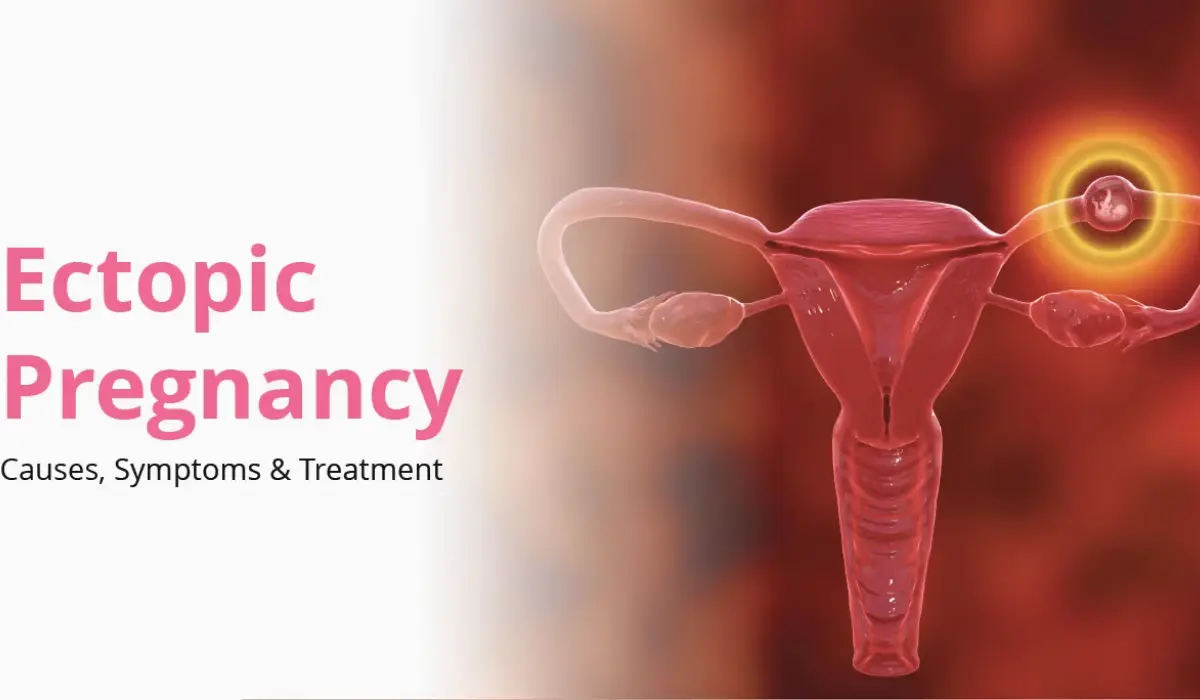
Seek urgent care if you have heavy bleeding, severe one-sided pelvic pain, dizziness, fainting, shoulder pain, or severe cramps. These symptoms may need quick evaluation in early pregnancy.
Final Thoughts
Early pregnancy discharge is often normal, especially when it is clear, white, thin, and mild-smelling. Hormone changes can make discharge heavier than usual.
The main warning signs are bad odor, unusual color, itching, burning, pelvic pain, fever, or heavy bleeding. If something feels different or worrying, it is safer to ask a healthcare provider than to guess.
You can also support pelvic health before a screening by avoiding harsh vaginal products, sharing any discharge changes with your provider, and asking whether symptoms need testing or treatment.
FAQs
Yes, early pregnancy discharge is often normal. It is usually thin, clear, white, or milky and should not cause itching, burning, pain, or bad odor.
Normal pregnancy discharge is usually clear, white, or pale milky. Yellow, green, gray, bloody, or foul-smelling discharge should be discussed with a provider.
Yes, light brown discharge can happen when old blood leaves the body. Call a provider if it becomes heavy, painful, or bright red.
White discharge alone does not confirm pregnancy. It can happen before periods too. A pregnancy test is the best way to confirm pregnancy.
Worry if discharge has a strong odor, unusual color, itching, burning, pelvic pain, fever, heavy bleeding, or severe one-sided cramps.
Yes, discharge with itching, burning, odor, pain, or yellow-green color may suggest infection. A healthcare provider can test and recommend safe treatment.
Reference
- Cleveland Clinic – Pregnancy Discharge
https://health.clevelandclinic.org/pregnancy-discharge - Cleveland Clinic – Vaginal Discharge
https://my.clevelandclinic.org/health/symptoms/4719-vaginal-discharge