Structural heart disease means a problem affects the physical structure of the heart. It may involve the heart valves, walls, chambers, blood vessels near the heart, or heart muscle. Some people are born with structural heart problems, while others develop them later in life because of aging, infection, high blood pressure, valve damage, or other heart conditions.
This condition can range from mild to serious. Some people live for years without symptoms, while others develop shortness of breath, chest discomfort, tiredness, dizziness, swelling, or fainting. Early diagnosis helps doctors monitor the heart and choose the right treatment before complications develop.
What Is Structural Heart Disease?
Structural heart disease is a broad medical term. It does not describe just one condition. Instead, it covers several heart problems that affect how the heart is built and how blood moves through it.
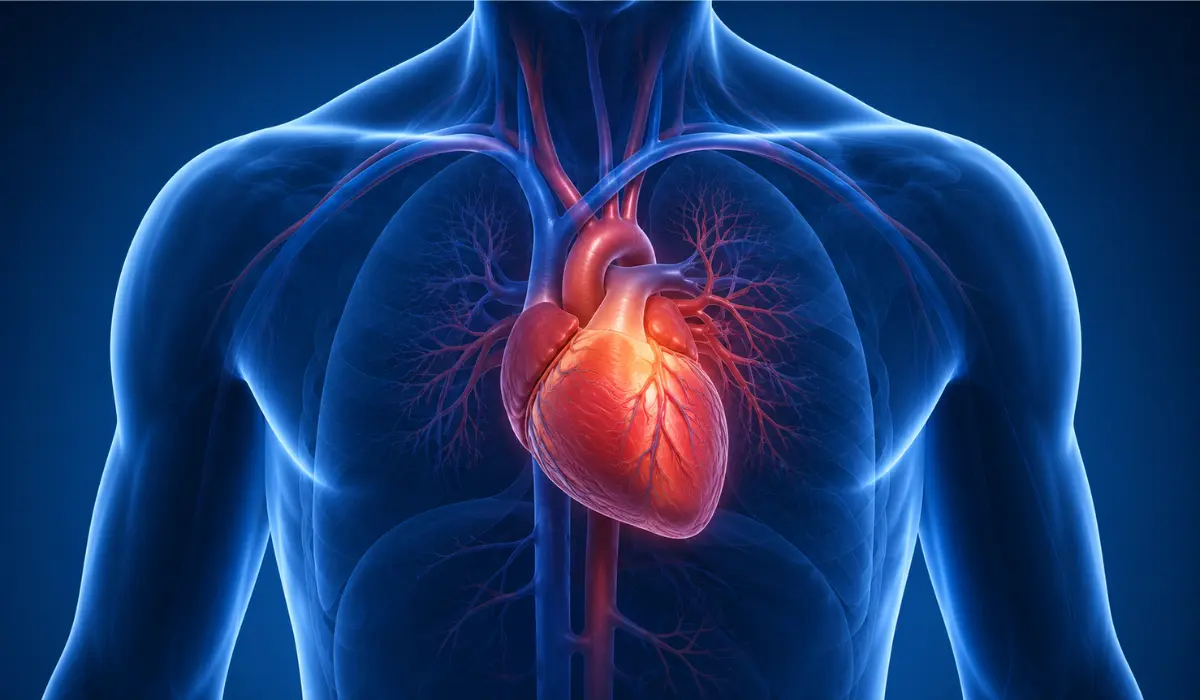
The heart has four chambers, four valves, muscle tissue, inner walls, and major blood vessels. When any of these parts become damaged, narrowed, enlarged, weak, leaky, or poorly formed, doctors may call it structural heart disease.
Common Types Of Structural Heart Disease
| Type | What It Means |
|---|---|
| Heart valve disease | One or more valves become narrowed, stiff, or leaky. |
| Congenital heart disease | A person is born with a structural heart difference. |
| Cardiomyopathy | The heart muscle becomes enlarged, thick, weak, or stiff. |
| Septal defects | A hole forms in the wall between heart chambers. |
| Aortic valve disease | The aortic valve becomes narrowed or leaky. |
| Mitral valve disease | The mitral valve does not open or close properly. |
Heart valve disease is one of the most common forms. It can affect how blood flows through the heart and may lead to symptoms or complications if it worsens. The NHLBI notes that many valve problems are treatable with medicines, procedures, or surgery when needed.
Structural Heart Disease Symptoms
Symptoms depend on the type of problem, how severe it is, and how well the heart pumps blood. Some people have no symptoms at first. Others notice symptoms during activity, while lying down, or as the condition progresses.
| Symptom | What It May Feel Like |
| Shortness of breath | Trouble breathing during activity, rest, or lying flat |
| Fatigue | Feeling unusually tired or weak |
| Chest pain | Pressure, tightness, or discomfort in the chest |
| Dizziness | Lightheadedness or feeling faint |
| Swelling | Fluid buildup in the ankles, feet, legs, or belly |
| Irregular heartbeat | Fluttering, racing, or skipped beats |
| Fainting | Passing out or nearly passing out |
Mayo Clinic lists shortness of breath, fatigue, chest pain, dizziness, swelling, fainting, and irregular heartbeat among possible heart valve disease symptoms.
What Causes Structural Heart Disease?
Structural heart disease may be present at birth or may develop later in life. Congenital heart disease happens when the heart does not form normally before birth. These defects can include holes between chambers, valve problems, muscle problems, or narrowed blood vessels.
Acquired structural heart disease can develop because of aging, high blood pressure, heart attack damage, infections, rheumatic fever, calcium buildup on valves, or long-term strain on the heart. Healthy habits, and proper nutrition may support overall heart function, but vitamins for heart health should not be seen as a direct treatment or cure for structural heart disease.
Risk Factors
Several factors can increase the risk of structural heart disease:
| Risk Factor | Why It Matters |
| Older age | Heart valves and blood vessels can stiffen or weaken over time. |
| High blood pressure | Extra pressure can strain the heart muscle and valves. |
| Family history | Some congenital or inherited heart conditions may run in families. |
| Previous heart attack | Damaged heart tissue can affect structure and function. |
| Heart infection | Infection can damage heart valves. |
| Rheumatic fever history | This can cause long-term valve damage. |
| Diabetes or kidney disease | These conditions can increase cardiovascular strain. |
Having a risk factor does not mean someone will develop structural heart disease. It only means they may need closer monitoring, especially if symptoms appear.
How Doctors Diagnose Structural Heart Disease?
Doctors usually begin with a medical history, symptom review, physical exam, and heart listening exam. A heart murmur, which sounds like a whooshing noise through a stethoscope, may suggest valve disease. Mayo Clinic notes that blood tests and imaging tests may also help check heart health.
| Test | Purpose |
| Echocardiogram | Uses ultrasound to view heart structure and function |
| Electrocardiogram | Checks the heart’s electrical rhythm |
| Chest X-ray | Shows heart size and lung fluid signs |
| Cardiac MRI | Gives detailed heart structure images |
| Cardiac CT scan | Shows valves, vessels, calcium, and anatomy |
| Stress test | Checks heart function during exercise or medicine-induced stress |
| Cardiac catheterization | Measures pressures and checks blood flow |
An echocardiogram is one of the most important tests because it checks heart structure and function. It can help diagnose valve disease, cardiomyopathy, and other heart problems.
Treatment Options For Structural Heart Disease
Treatment depends on the exact condition, severity, symptoms, age, overall health, and risk of complications. Some people only need regular checkups. Others may need medicines, catheter-based procedures, valve repair, valve replacement, or surgery.
| Treatment | When Doctors May Use It |
| Monitoring | Mild disease without symptoms |
| Medicines | To manage symptoms, blood pressure, rhythm issues, or fluid buildup |
| Catheter procedure | To repair valves, close holes, or place devices without open surgery |
| Valve repair | To fix a damaged valve when possible |
| Valve replacement | To replace a severely narrowed or leaky valve |
| Surgery | For complex or severe structural problems |
Medicines may help relieve symptoms or reduce complications, but some structural problems need a procedure or surgery when they become severe. NHLBI explains that doctors may use medicine, valve repair, or valve replacement depending on the condition.
Possible Complications
Untreated or advanced structural heart disease can lead to serious health problems. These may include heart failure, irregular heartbeat, stroke risk, infection, pulmonary hypertension, or cardiac arrest. The NHLBI notes that valve problems can lead to arrhythmia, infection, high blood pressure in the lungs, heart failure, or cardiac arrest if not diagnosed and treated promptly.
When To See A Doctor?
A person should contact a healthcare provider if they notice ongoing shortness of breath, chest discomfort, fainting, swelling, irregular heartbeat, or fatigue that does not improve with rest.
Seek emergency care for severe chest pain, sudden breathing trouble, fainting, blue lips, sudden weakness, confusion, or symptoms that feel life-threatening.
Can Structural Heart Disease Be Prevented?
Some types cannot be prevented, especially congenital heart disease. However, healthy habits can lower the risk of acquired heart problems and help protect heart function.
Helpful steps include controlling blood pressure, managing diabetes, avoiding smoking, staying active, eating a heart-healthy diet, treating infections early, attending regular checkups, and following the doctor’s plan for known heart conditions.
Living With Structural Heart Disease
Many people live active lives with structural heart disease, especially when doctors diagnose it early and monitor it regularly. The key is to understand the exact diagnosis, attend follow-up visits, report new symptoms, take prescribed medicines correctly, and ask about activity limits or procedure options when needed.
Structural heart disease does not always mean immediate surgery. In many cases, doctors watch the condition closely and act only when symptoms, test results, or heart function show that treatment is necessary.
FAQs
Structural heart disease can be mild or serious. Some people only need monitoring, while others need medicines, procedures, or surgery to prevent complications.
Heart valve disease is one common type. It happens when a valve becomes narrowed, stiff, leaky, or unable to control blood flow properly.
Some structural heart problems can be repaired or corrected. Others need long-term monitoring and management to control symptoms and reduce complications.
Doctors may use a physical exam, echocardiogram, electrocardiogram, chest X-ray, cardiac CT, cardiac MRI, stress test, or cardiac catheterization.
Many people live well with proper care. Regular follow-ups, healthy habits, symptom tracking, and timely treatment can help protect heart function.
Do not ignore chest pain, fainting, severe shortness of breath, swelling, irregular heartbeat, dizziness, or fatigue that gets worse or does not improve.
References
Cleveland Clinic
Structural Heart Disease
https://my.clevelandclinic.org/health/diseases/22501-structural-heart-disease
National Heart, Lung, and Blood Institute
Heart Valve Diseases
https://www.nhlbi.nih.gov/health/heart-valve-diseases
Mayo Clinic
Heart Valve Disease: Symptoms and Causes
https://www.mayoclinic.org/diseases-conditions/heart-valve-disease/symptoms-causes/syc-20353727
American Heart Association
What Is Congenital Heart Disease?
https://www.heart.org/en/health-topics/congenital-heart-defects/about-congenital-heart-defects