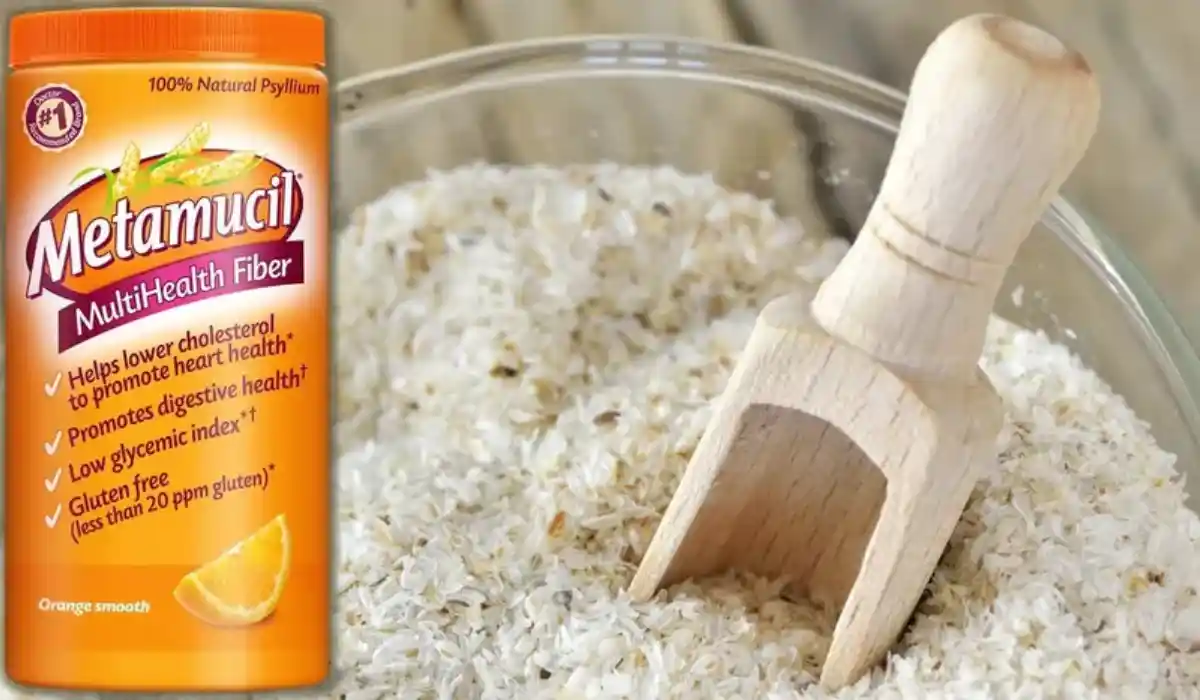
Metamucil may help lower LDL cholesterol when used regularly as part of a heart-healthy diet. It contains psyllium husk, a soluble fiber that can reduce cholesterol absorption in the gut and support better heart health over time.
Metamucil does not replace cholesterol medicines, but it may be a helpful add-on for people with mildly elevated cholesterol or those trying to improve diet-based heart health. Metamucil may help lower LDL (“bad”) cholesterol because it contains psyllium fiber, which binds cholesterol in the digestive system and helps remove it from the body.
Key points:
- Works mainly on LDL cholesterol, not HDL directly
- Best results when used daily with a healthy diet
- Usually supports modest cholesterol reduction
- Works better alongside exercise and weight control
- Not a replacement for statins or prescribed medication
What Is Metamucil And How Does It Affect Cholesterol?
Metamucil is a fiber supplement made from psyllium husk, a type of soluble fiber.
Soluble fiber dissolves in water and forms a gel-like substance in the gut. This gel can bind to bile acids, which are made from cholesterol. When bile acids are excreted, the body uses more cholesterol to replace them, which may help reduce LDL levels.
How it works in simple steps:
- You consume Metamucil (psyllium fiber)
- It forms a gel in the intestines
- It binds bile acids made from cholesterol
- The body removes them through stool
- The liver uses more LDL cholesterol to make new bile
Metamucil And Cholesterol Reduction: What Science Suggests?
Research shows that psyllium fiber may help lower LDL cholesterol when taken consistently.
- LDL cholesterol reduction may be modest to moderate
- Effects are stronger in people with high cholesterol
- Works best alongside a low-saturated-fat diet
- Requires daily use over several weeks
Metamucil Vs Other Fiber Sources
Metamucil is not the only source of soluble fiber. Whole foods also play a major role in cholesterol control.
| Source | Type | Effect on Cholesterol |
| Metamucil (psyllium) | Supplement | May lower LDL moderately |
| Oats | Food fiber | Helps reduce LDL naturally |
| Beans & lentils | Food fiber | Supports heart health |
| Fruits (apples, citrus) | Soluble fiber | Mild LDL support |
| Vegetables | Mixed fiber | Supports overall lipid balance |
Whole foods are preferred as a long-term foundation, while Metamucil can be used as a supportive tool.
Who May Benefit From Metamucil For Cholesterol?
Metamucil may be helpful for:
- People with mildly high LDL cholesterol
- Individuals not ready for medication
- Those improving diet and lifestyle
- People with low fiber intake
- Patients managing metabolic syndrome
It may be less effective alone for:
- Severe high cholesterol
- Genetic cholesterol disorders
- People needing immediate LDL reduction
How To Use Metamucil Safely For Cholesterol Support?
Correct use is important for effectiveness and safety.
General usage tips:
- Take daily as directed on the label
- Mix with a full glass of water
- Drink enough fluids throughout the day
- Start with a small dose to avoid bloating
- Take away from certain medications (2-hour gap recommended)
Important note:
Not drinking enough water may cause constipation or discomfort.
Possible Side Effects And Risks
Metamucil is generally safe for most people, but side effects may occur.
Common effects:
- Gas or bloating
- Mild stomach discomfort
- Temporary fullness
Less common concerns:
- Constipation if not enough water is taken
- Interference with medication absorption
- Allergic reaction (rare)
When to stop and seek medical advice:
- Severe abdominal pain
- Persistent constipation
- Difficulty swallowing
- Allergic symptoms
Does Metamucil Lower Cholesterol Fast?
Metamucil does not lower cholesterol quickly.
- Results may take 4–8 weeks or longer
- Works gradually through dietary fiber effects
- Best seen in combination with lifestyle changes
It is not a rapid treatment but a long-term support option.
Lifestyle Changes That Improve Cholesterol Along With Metamucil
Metamucil works best when combined with healthy habits. Foods rich in soluble fiber, such as psyllium (Metamucil), oats, and beans, may help improve the overall cholesterol balance by lowering LDL and supporting healthier HDL and VLDL levels.
Helpful strategies:
- Reduce saturated fat (fried foods, butter, fatty meats)
- Eat more soluble fiber (oats, beans, fruits)
- Exercise regularly
- Maintain a healthy weight
- Avoid smoking
- Limit processed foods
- Manage blood sugar levels
Common Mistakes People Make
- Expecting instant cholesterol reduction
- Using Metamucil without drinking enough water
- Ignoring diet and relying only on supplements
- Taking it at the same time as medications
- Using inconsistent doses
When To See A Doctor?
You should consult a healthcare provider if you have:
- High LDL cholesterol on a blood test
- Family history of heart disease
- Diabetes or metabolic syndrome
- Chest pain or shortness of breath
- No improvement in cholesterol levels despite diet changes
Emergency warning signs:
Seek urgent care for:
- Chest pain
- Sudden weakness or numbness
- Trouble speaking
- Severe dizziness
Questions To Ask Your Doctor?
- Can Metamucil help my cholesterol levels?
- How much fiber should I take daily?
- Do I need cholesterol medication?
- How often should I check my lipid panel?
- Can I combine fiber with statins?
- Are my triglycerides also high?
Conclusion
It may help lower LDL cholesterol by using soluble fiber (psyllium) to reduce cholesterol absorption in the digestive system. However, it works best as part of a complete heart-healthy lifestyle, not as a standalone treatment.
For best results, combine Metamucil with a balanced diet, regular exercise, and medical guidance when needed.
FAQs
Yes, it may help reduce LDL cholesterol when taken regularly as part of a healthy diet.
Yes, it may help reduce LDL cholesterol when taken regularly as part of a healthy diet.
It may cause modest LDL reductions, especially with consistent daily use.
Most people may see changes in 4–8 weeks or longer.
Both help. Oats are food-based, while Metamucil is a concentrated fiber supplement.
Yes, but space it 2 hours apart. Always confirm with your doctor.
It may have a small effect, but it mainly helps LDL cholesterol.
Yes, mild gas, bloating, or stomach discomfort can occur.
Yes, for most people when taken with enough water.
No. It is a supportive supplement, not a replacement for prescribed medication.
People with bowel obstruction, severe swallowing problems, or specific medical conditions should consult a doctor first.
References
- Mayo Clinic – Cholesterol: Soluble fiber and heart health
https://www.mayoclinic.org/diseases-conditions/high-blood-cholesterol/in-depth/cholesterol/art-20045192 - MedlinePlus – Dietary fiber and cholesterol
https://medlineplus.gov/howtolowercholesterolwithdiet.html