Before a PSA test, avoid ejaculation, cycling, vigorous exercise, prostate stimulation, and testing during a urinary infection if your doctor advises waiting. These factors may temporarily affect PSA levels and make the result harder to interpret.
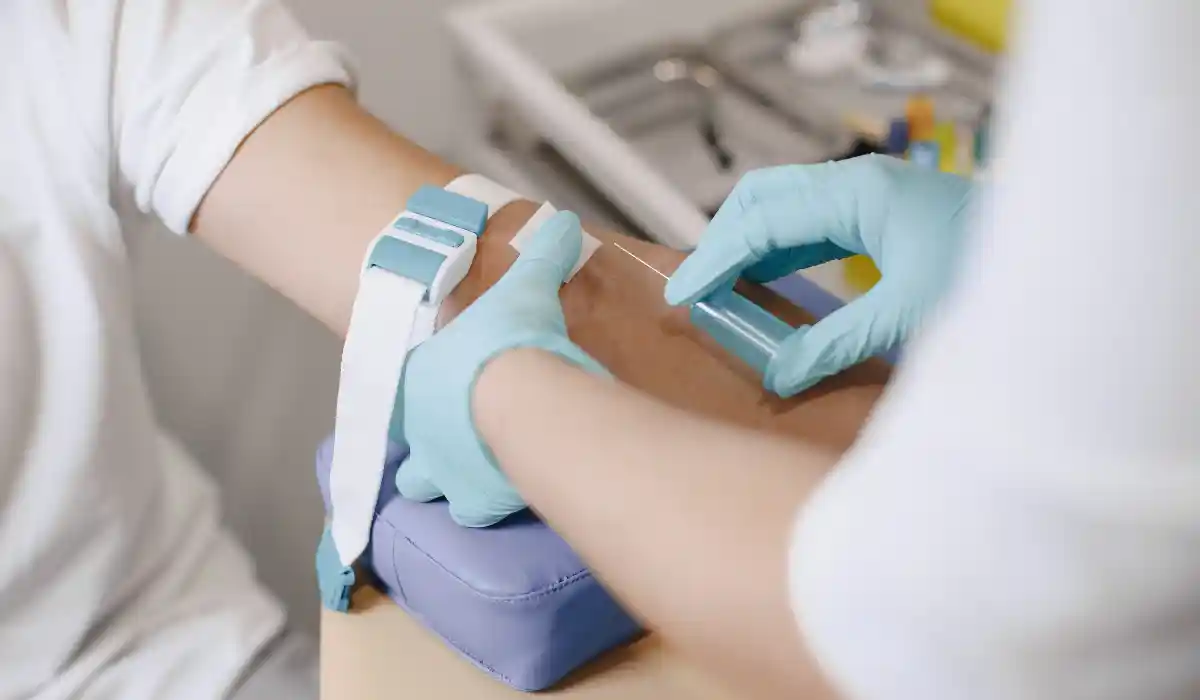
A PSA test checks the amount of prostate-specific antigen in your blood. Doctors use it to help screen for prostate cancer, monitor prostate conditions, or follow PSA changes over time.
This guide explains the most important things to avoid prior to PSA test, why they matter, how to prepare, and when to ask a doctor before your blood draw.
Things to Avoid Prior to PSA Test
PSA stands for prostate-specific antigen. The prostate makes this protein, and a small amount normally enters the blood.
A PSA test does not diagnose prostate cancer by itself. It gives your doctor one piece of information that must be understood with your age, symptoms, prostate size, family history, medicines, and previous PSA results.
The goal before testing is accuracy. You should not try to hide a high PSA or force the number down. Instead, avoid common triggers that may cause a temporary rise.
Small preparation steps can reduce false alarms. They can also help your doctor decide whether your PSA result reflects your usual baseline or a short-term change.
Why PSA Test Preparation Matters?
Many men feel nervous before a PSA test because they connect PSA with prostate cancer. That fear often leads people to search for what they should avoid before testing.
Preparation matters because PSA can rise for reasons other than cancer. Prostate enlargement, prostatitis, urinary infection, ejaculation, cycling, recent procedures, and some medicines can all affect results.
A falsely high PSA may lead to worry, repeat testing, imaging, or a referral to a urologist. A falsely low PSA may also create confusion if medicine has changed the number.
Good preparation helps your doctor read the result more clearly. It also helps you avoid unnecessary stress after the test.
Common Reasons PSA Results Can Change
Ejaculation Before the Test
Ejaculation can temporarily raise PSA in some men. This includes sex and masturbation.
Many healthcare providers suggest avoiding ejaculation for 24 to 48 hours before a PSA blood test. Ask your clinic for its exact instruction because recommendations may vary.
Cycling or Pressure on the Prostate
Cycling can place pressure on the prostate area. Long rides, spinning classes, or hard bike workouts may affect PSA for a short time.
To be safe, avoid cycling for about 48 hours before testing unless your doctor gives different advice.
Vigorous Exercise
Hard workouts may affect PSA in some people, especially activities that strain the pelvic area. Heavy lifting, intense cardio, long-distance running, and contact sports may not be ideal right before the test.
Light walking is usually fine for most people. Keep exercise gentle until after your blood draw.
Infection or Inflammation
A urinary tract infection, prostatitis, fever, or pelvic pain can raise PSA. Testing during these problems may give a result that does not reflect your normal level.
Tell your doctor if you have burning urination, cloudy urine, pelvic discomfort, chills, or pain with ejaculation.
Recent Medical Procedures
A prostate biopsy, cystoscopy, urinary catheter, prostate exam, or prostate-related procedure may affect PSA.
Your doctor may recommend waiting before testing. Always share recent procedures before the blood draw.
Key Things to Know Before the Test
Do Not Stop Medicines on Your Own
Some medicines can affect PSA, but you should not stop them without medical advice. This includes prostate medicines, hair-loss medicines, urinary medicines, and hormone-related treatments.
Finasteride and dutasteride can lower PSA levels. Your doctor needs to know if you take either one because your result may need special interpretation.
Do Not Use Supplements to Change PSA Quickly
No supplement should be used only to change a PSA result before testing. This can mislead your doctor and delay proper care.
A healthy lifestyle may support long-term prostate health, but it will not reliably change PSA in a few days.
Do Not Ignore Urinary Symptoms
Men sometimes want to complete the test quickly even when they have urinary symptoms. That can create confusing results.
Tell your doctor about weak urine flow, frequent urination, urgency, burning, blood in urine, pelvic pain, or trouble starting urination.
Do Not Panic Over One PSA Number
A PSA result needs context. A single high reading does not automatically mean cancer.
Doctors often look at PSA trends over time. They may repeat the test, check urine, review medicines, or suggest further testing if needed.
Comparison Table: What to Avoid Before a PSA Test?
| Thing to Avoid | Why It Matters | Suggested Timing |
| Ejaculation | May temporarily raise PSA | Avoid for 24–48 hours |
| Cycling | May place pressure on the prostate | Avoid for about 48 hours |
| Vigorous exercise | May affect PSA in some men | Avoid for about 48 hours |
| Prostate stimulation | May irritate the prostate | Ask your doctor about timing |
| Testing during UTI symptoms | Infection can raise PSA | Call your doctor before testing |
| Recent prostate biopsy | Can raise PSA for weeks | Follow your doctor’s timing |
| Stopping medicine suddenly | Can cause health risks | Never stop without advice |
| Taking new supplements | May confuse care decisions | Discuss with your doctor first |
How to Prepare for a PSA Test?
1. Follow Your Doctor’s Instructions
Your doctor or lab may give specific instructions before the PSA test. Follow those directions first.
If you did not receive instructions, call the clinic and ask what to avoid before testing.
2. Avoid Sex and Ejaculation
Avoid ejaculation for 24 to 48 hours before your PSA test. This simple step may reduce the chance of a temporary PSA increase.
If you forgot and ejaculated close to the test, tell your doctor. They may still test or may suggest rescheduling.
3. Skip Cycling and Hard Exercise
Avoid bike riding, spinning, heavy lifting, intense workouts, and long runs for about 48 hours before testing.
Choose light walking, stretching, or normal daily movement instead.
4. Check for Infection Symptoms
Before the test, notice whether you have urinary burning, fever, pelvic pain, or cloudy urine.
Call your doctor before testing if these symptoms appear. They may want to check for infection first.
5. Bring a Medicine List
Bring a list of all prescription medicines, over-the-counter drugs, supplements, and hormone products.
Include finasteride, dutasteride, testosterone therapy, prostate supplements, and urinary symptom medicines.
6. Ask About Repeat Testing
If your PSA comes back higher than expected, ask whether repeat testing makes sense.
A repeat test may help if sex, cycling, exercise, infection, or another short-term factor may have affected the result.
Safety Notes and When to Ask a Doctor
You should not try to artificially lower PSA before a test. The purpose of PSA testing is to help detect possible prostate problems and guide proper care.
Ask a doctor before testing if you have urinary symptoms, fever, pelvic pain, recent prostate procedures, or a history of prostatitis.
Speak with a healthcare provider if your PSA is rising over time, your result is much higher than previous levels, or you have a family history of prostate cancer.
Get urgent care if you cannot urinate, have high fever, severe pelvic pain, blood clots in urine, or severe back pain with weakness.
Men taking finasteride or dutasteride should always tell their doctor because these medicines can lower PSA and may require special interpretation.
Final Thoughts on Things to Avoid Prior to PSA Test
Understanding the things to avoid prior to PSA test can help you get a more accurate result. The main steps are simple: avoid ejaculation, cycling, vigorous exercise, and testing during possible infection unless your doctor advises otherwise.
Share your symptoms, medicines, supplements, and recent procedures before the blood draw. These details help your doctor understand whether your PSA reflects your usual level or a temporary change.
A PSA test is only one part of prostate health evaluation. If your result is high, do not panic. Work with your healthcare provider to review the number, repeat testing if needed, and choose the right next step.
FAQs
Avoid ejaculation, cycling, vigorous exercise, prostate stimulation, and testing during urinary infection symptoms. These may temporarily affect PSA and make results harder to interpret.
Coffee does not usually affect PSA directly, but ask your doctor if you have other blood tests scheduled that require fasting or special preparation.
Many providers suggest avoiding sex and ejaculation for 24 to 48 hours before testing. Follow your doctor’s or lab’s specific preparation instructions.
Yes, avoid vigorous exercise for about 48 hours before testing, especially cycling. Light walking is usually fine unless your doctor gives different instructions.
Yes. Finasteride and dutasteride can lower PSA levels. Tell your doctor about all medicines and supplements before testing so results are interpreted correctly.
References
- National Cancer Institute – Prostate-Specific Antigen (PSA) Test
https://www.cancer.gov/types/prostate/psa-fact-sheet - Mayo Clinic – PSA Test Overview
https://www.mayoclinic.org/tests-procedures/psa-test/about/pac-20384731