
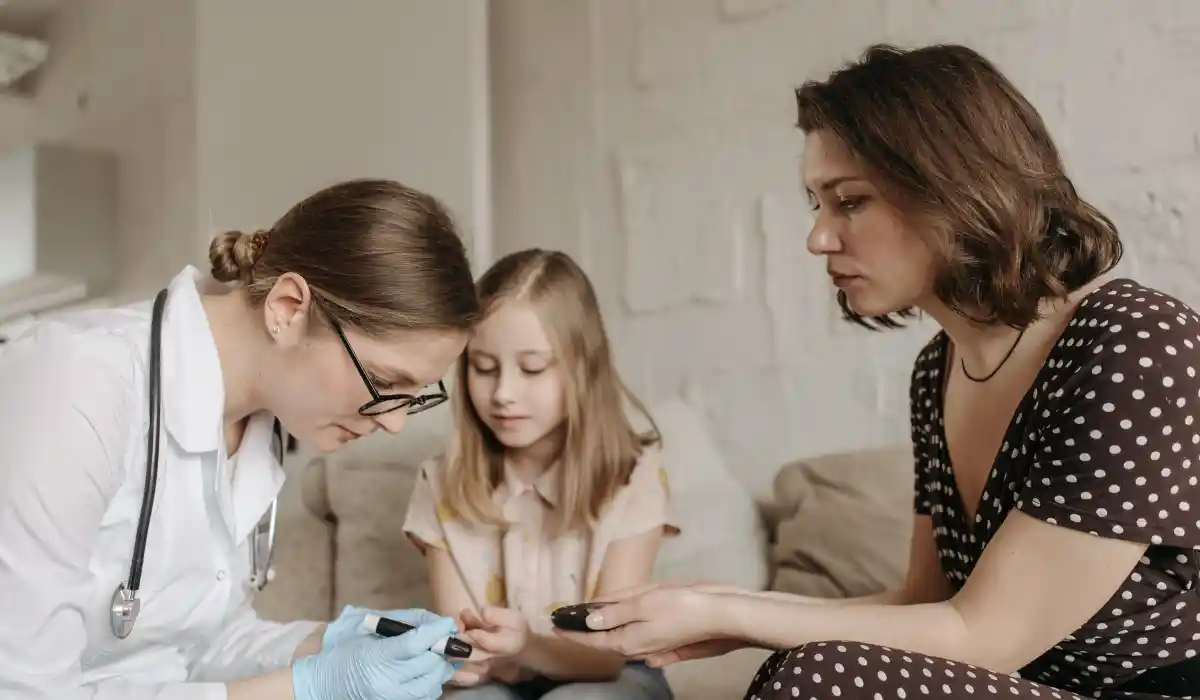
The signs of diabetes in kids may include frequent urination, unusual thirst, increased hunger, tiredness, blurred vision, and unexplained weight loss. Children who previously stayed dry overnight may also begin wetting the bed.
Type 1 diabetes symptoms can develop quickly, sometimes over several days or weeks. Type 2 diabetes symptoms may appear gradually or remain difficult to notice. Prompt testing matters because untreated diabetes can cause diabetic ketoacidosis, a potentially life-threatening emergency.
What Is Diabetes in Children?
Diabetes occurs when blood glucose, commonly called blood sugar, remains too high. Insulin normally helps glucose move from the bloodstream into cells, where the body uses it for energy.
A child with type 1 diabetes produces little or no insulin because the immune system destroys insulin-producing pancreatic cells. Children with type 1 diabetes require insulin every day.
Type 2 diabetes develops when the body does not use insulin effectively and may eventually produce too little. Although it is more common among adults, type 2 diabetes can also develop during childhood or adolescence.
What Are the Signs of Diabetes in Kids?
The early signs of diabetes in kids can resemble ordinary childhood changes or minor illnesses. However, several symptoms appearing together, particularly excessive thirst, frequent urination, fatigue, and weight loss, require prompt medical attention.
Common childhood diabetes symptoms include:
- Urinating more frequently
- Waking during the night to urinate
- New bed-wetting after being consistently dry
- Heavier nappies in babies
- Constant or unusual thirst
- Drinking much more than usual
- Increased hunger
- Unexplained weight loss
- Persistent tiredness or weakness
- Irritability or mood changes
- Blurred vision
- Frequent infections
- Cuts or sores that heal slowly
The NHS summarizes the main type 1 diabetes symptoms as the “4 Ts”: toilet, thirsty, tired, and thinner. These changes may become noticeable within a short period.
Frequent Urination in Kids
Frequent urination is one of the most recognizable signs of diabetes in kids. When blood sugar becomes very high, the kidneys attempt to remove excess glucose through urine, pulling additional water from the body.
A child may visit the bathroom more often, wake repeatedly at night, or produce unusually large amounts of urine. A toilet-trained child may unexpectedly begin having daytime accidents or wetting the bed.
Frequent urination can also result from increased fluid intake, urinary infections, anxiety, medication, or other conditions. A clinician may use urine and blood tests to determine whether diabetes is responsible.
Excessive Thirst in Children
Excessive thirst often occurs alongside frequent urination. Because the child loses more water in urine, the body sends stronger thirst signals to replace the missing fluid.
Parents may notice that a child repeatedly asks for drinks, drains cups quickly, or wakes during the night because of thirst. The child may still complain of a dry mouth despite drinking frequently.
Hot weather, exercise, fever, and salty foods can also make children thirsty. Persistent thirst combined with increased urination, fatigue, or weight loss is more concerning for high blood sugar.
Unexplained Weight Loss and Increased Hunger
Children with diabetes may feel unusually hungry because glucose cannot enter cells effectively. Even though sufficient glucose is present in the blood, the cells cannot use it normally for energy.
When insulin is severely limited, the body begins breaking down stored fat and muscle for fuel. A child may eat normally or more than usual while continuing to lose weight or appear noticeably thinner.
Normal growth can cause changes in appetite and body shape. However, rapid or unexplained weight loss alongside excessive thirst and frequent urination should receive urgent medical evaluation.
Fatigue, Weakness, and Mood Changes
Persistent fatigue is another common childhood diabetes symptom. Without enough usable glucose inside the cells, a child may lack the energy needed for school, physical activity, play, and daily tasks.
Parents may notice reduced concentration, unusual sleepiness, weakness, irritability, or declining participation in activities the child previously enjoyed. School performance or athletic ability may also change.
Fatigue has many possible causes, including poor sleep, infection, anemia, stress, and thyroid conditions. Diabetes testing can help identify the cause when tiredness occurs with other warning signs.
Blurred Vision and Headaches
High blood sugar can change fluid levels in the eye and temporarily affect focusing ability. A child may report blurred vision, difficulty reading, headaches, or trouble seeing the classroom board.
Young children may not clearly describe vision changes. They might sit closer to screens, rub their eyes, squint, or become frustrated while reading.
Vision problems do not always indicate diabetes, but they should not be ignored. An eye examination and medical assessment may be needed, especially when blurred vision appears with thirst or frequent urination.
Infections and Slow-Healing Sores
High blood sugar can interfere with normal immune function and healing. Some children with diabetes experience repeated urinary tract infections, skin infections, yeast infections, thrush, or persistent nappy rash.
Cuts and sores may also take longer than expected to heal. These symptoms tend to be more noticeable in gradually developing type 2 diabetes but can occur with either major type.
Frequent infections have many possible causes and do not prove that a child has diabetes. A healthcare professional can decide whether blood glucose testing or another evaluation is appropriate.
Signs of Type 1 Diabetes in Kids
Type 1 diabetes commonly begins during childhood, adolescence, or young adulthood, although it can develop at any age. Symptoms often appear rapidly because insulin production becomes severely reduced.
Typical type 1 diabetes symptoms in children include frequent urination, excessive thirst, constant hunger, fatigue, and unexplained weight loss. Nausea, vomiting, and stomach pain may occur when the condition progresses.
Type 1 diabetes is an autoimmune condition. It is not caused by eating too much sugar, excess body weight, or a child’s behavior, and parents should not blame themselves or their child.
Signs of Type 2 Diabetes in Kids
Type 2 diabetes in children often develops more gradually than type 1 diabetes. Symptoms may be mild, and some children have no obvious warning signs before testing detects elevated blood sugar.
Possible type 2 diabetes symptoms in kids include thirst, frequent urination, fatigue, blurred vision, slow-healing sores, recurrent infections, and numbness or tingling. Unexplained weight loss can occur but may be less noticeable.
Dark, thickened, velvety patches of skin around the neck, armpits, or groin may indicate insulin resistance. This change is called acanthosis nigricans and deserves medical evaluation, although it does not confirm diabetes by itself.
Type 1 and Type 2 Diabetes Symptoms Compared
Type 1 and type 2 diabetes can cause many of the same symptoms because both result in elevated blood glucose. The main differences involve how quickly symptoms develop and why insulin is not working properly.
| Feature | Type 1 Diabetes | Type 2 Diabetes |
| Symptom onset | Often sudden over days or weeks | Usually gradual over months or years |
| Insulin problem | The body makes little or no insulin | The body resists insulin and may produce too little |
| Weight loss | Often noticeable | Possible, but not always present |
| DKA risk | Higher | Possible but less common |
| Skin darkening | Not typical | May occur with insulin resistance |
| Treatment | Daily insulin is required | Lifestyle support, medicine, insulin, or a combination |
Symptoms alone cannot reliably determine which type a child has. Clinicians may use blood glucose tests, antibody testing, medical history, and other examinations to make an accurate diagnosis.
Diabetes Signs in Babies and Toddlers
Babies and toddlers cannot describe thirst, blurred vision, or weakness. Parents may instead notice unusually heavy nappies, persistent nappy rash, irritability, reduced activity, weight loss, or difficulty gaining weight.
A young child may demand drinks frequently or become distressed when a drink is unavailable. Dry mouth, sunken eyes, reduced alertness, or rapid breathing can indicate dehydration or a more serious problem.
Diabetes symptoms in very young children can worsen quickly. Seek prompt medical care rather than waiting to see whether unusual thirst, heavy nappies, weight loss, or lethargy improves independently.
Diabetes Signs in School-Age Children
A school-age child may ask to leave class frequently to use the bathroom. Teachers might notice repeated requests for water, tiredness, reduced concentration, mood changes, or declining physical performance.
New bed-wetting can be particularly important when a child has been dry overnight for months or years. Increased urination during both the day and night may indicate that the kidneys are removing excessive glucose.
Parents can ask teachers and caregivers whether they have noticed changes. A record of drinking, urination, appetite, weight, and energy can help the healthcare professional understand the pattern.
Diabetes Signs in Teenagers
Teenagers may dismiss tiredness, thirst, or weight changes as stress, sports, dieting, or a busy schedule. They may also avoid discussing increased urination, genital itching, or repeated yeast infections.
Type 2 diabetes risk often becomes more noticeable during adolescence, when hormonal changes can increase insulin resistance. Family history, limited physical activity, obesity, and previous prediabetes can further increase risk.
Avoid criticizing a teenager’s weight or eating habits. Focus on symptoms, health, and testing, since stigma can discourage adolescents from sharing important changes or attending appointments.
Diabetic Ketoacidosis Warning Signs
Diabetic ketoacidosis, or DKA, develops when the body lacks enough insulin and breaks down fat for energy. This process creates acidic substances called ketones, which can accumulate to dangerous levels.
DKA may be the first noticeable sign of type 1 diabetes in a child. Early symptoms often include intense thirst and frequent urination, while severe symptoms may develop quickly.
Emergency DKA symptoms in children include:
- Nausea or repeated vomiting
- Significant stomach pain
- Fast, deep, or difficult breathing
- Fruity or sweet-smelling breath
- Severe tiredness or weakness
- Dry mouth and dehydration
- Confusion or unusual sleepiness
- Fainting or reduced responsiveness
DKA is life-threatening and requires immediate hospital treatment. Do not wait for a routine appointment when these symptoms occur, particularly if the child has also been thirsty, urinating frequently, or losing weight.
What Causes Diabetes in Children?
Type 1 diabetes develops when the immune system mistakenly destroys pancreatic beta cells that produce insulin. Genes and environmental factors may influence the process, but the exact trigger is not fully understood.
Type 2 diabetes develops through a combination of insulin resistance, genetics, and reduced insulin production. Family history, excess body weight, limited physical activity, and certain health conditions may raise a child’s risk.
Neither type should be treated as a personal failure. Children and families need accurate information, practical medical support, and an individualized diabetes care plan rather than blame.
How Diabetes Is Diagnosed in Kids?
A healthcare professional diagnoses diabetes using blood tests. Depending on the situation, testing may include a random plasma glucose test, fasting plasma glucose test, A1C test, or oral glucose tolerance test.
When type 1 diabetes symptoms appear suddenly, a clinician may check blood glucose immediately and test blood or urine for ketones. Additional antibody tests may help distinguish type 1 diabetes from type 2 or rarer forms.
Home glucose meters can identify a concerning reading, but they should not replace professional diagnosis. A symptomatic child needs prompt clinical assessment even if a home test appears uncertain or produces an error.
What Parents Should Do About Possible Symptoms?
Contact a healthcare professional promptly if a child develops frequent urination, excessive thirst, unexplained weight loss, or persistent fatigue. Mention that you are concerned about possible diabetes so appropriate testing can be arranged quickly.
Keep a brief record of symptoms, including when they began and whether they are worsening. Note changes in drinking, bathroom use, bed-wetting, appetite, weight, vision, infections, and energy.
Do not restrict the child’s water to reduce urination. Avoid attempting to treat suspected diabetes through diet changes, supplements, or another person’s medication while waiting for testing.
Treatment After a Childhood Diabetes Diagnosis
Children with type 1 diabetes require insulin, regular glucose monitoring, meal planning, and education about high and low blood sugar. A pediatric diabetes team helps families learn how to adjust care around food, exercise, illness, and school.
Treatment for type 2 diabetes may include balanced meals, regular physical activity, weight-sensitive support, medication, insulin, or a combination. The plan depends on blood glucose levels and the child’s overall health.
Schools should receive an individualized diabetes management plan. Teachers, coaches, and caregivers may need instructions about glucose monitoring, insulin, meals, physical activity, and responding to emergencies.
When to Seek Medical Care?
Arrange urgent medical assessment when several signs of diabetes in kids appear together, especially frequent urination, intense thirst, weight loss, and unusual tiredness. Type 1 diabetes symptoms can progress quickly.
Seek emergency help if the child has vomiting, abdominal pain, fast or deep breathing, fruity-smelling breath, confusion, extreme drowsiness, fainting, or difficulty responding. These may be signs of diabetic ketoacidosis.
Do not delay emergency care while trying to obtain a home glucose or ketone test. DKA requires immediate treatment with fluids, insulin, electrolyte management, and close medical monitoring.
Conclusion
Recognizing the signs of diabetes in kids can lead to earlier testing and help prevent serious complications. Frequent urination, unusual thirst, fatigue, increased hunger, weight loss, blurred vision, and new bed-wetting deserve attention.
Type 1 diabetes symptoms may worsen within days or weeks, while type 2 diabetes can remain subtle for much longer. A healthcare professional should assess concerning symptoms promptly, and possible DKA warning signs require emergency care.
FAQS
Early signs commonly include frequent urination, excessive thirst, unusual hunger, tiredness, and unexplained weight loss. New bed-wetting in a previously dry child can also be important.
Type 1 diabetes develops through an autoimmune process, but noticeable symptoms may appear suddenly over several days or weeks once the body can no longer produce sufficient insulin.
New bed-wetting can be a diabetes warning sign because high blood sugar increases urine production. It is more concerning when accompanied by thirst, fatigue, or weight loss.
Yes. Type 2 diabetes may develop slowly and cause mild or no noticeable symptoms. Children with risk factors may need blood glucose testing based on professional guidance.
Vomiting, stomach pain, fruity breath, deep breathing, confusion, or extreme sleepiness may indicate diabetic ketoacidosis. Seek emergency care immediately because the condition can become life-threatening.
Yes. High blood sugar and reduced usable energy may cause irritability, mood changes, tiredness, or poor concentration. These symptoms need assessment when accompanied by thirst or frequent urination.
No. Weight loss is common with untreated type 1 diabetes, but it may not occur in every child. Type 2 diabetes can develop without noticeable changes in body weight.
Repeated urinary, skin, or yeast infections can occur when blood sugar remains elevated. However, infections have many possible causes, so a healthcare professional should assess the child.
Type 1 diabetes symptoms often become noticeable within days or weeks. Type 2 diabetes usually develops more gradually, and some children may have few or no obvious symptoms.
No. A home meter may detect a concerning glucose reading, but laboratory testing and professional assessment are necessary to confirm diabetes and determine which type the child has.