Learning how to lower my diastolic blood pressure begins with confirming that the bottom number is consistently elevated. One high reading can result from stress, caffeine, exercise, pain, or incorrect measuring technique and does not necessarily confirm hypertension.
A consistently high diastolic reading means blood is placing excessive pressure on artery walls while the heart rests between beats. Healthy eating, regular exercise, weight management, limited sodium, prescribed medication, and treatment of underlying conditions may help lower diastolic blood pressure.
What Is Diastolic Blood Pressure?
A blood pressure measurement contains two numbers and is recorded in millimeters of mercury, or mm Hg. Systolic pressure, the top number, measures pressure when the heart contracts, while diastolic pressure measures pressure between heartbeats.
For example, in a reading of 128/86 mm Hg, the diastolic blood pressure is 86. Under current US guidelines, a diastolic reading of 80–89 mm Hg falls within stage 1 hypertension, while 90 mm Hg or higher falls within stage 2 hypertension.
Blood pressure categories can differ slightly among countries and medical organizations. A healthcare professional will consider repeated readings, age, health conditions, medications, and cardiovascular risk before recommending treatment.
How to Lower My Diastolic Blood Pressure Safely?
The safest way to lower diastolic blood pressure is to combine accurate monitoring with practical lifestyle changes and medical care when needed. Avoid trying to reduce the bottom number rapidly through supplements, extra medication, fasting, or extreme exercise.
Start by recording properly measured readings for several days. If your diastolic pressure remains at or above 80 mm Hg, discuss the pattern with a healthcare professional rather than relying on one measurement.
Treatment may involve:
- Following a heart-healthy eating pattern
- Reducing sodium from processed foods
- Exercising regularly
- Reaching a suitable body weight
- Limiting or avoiding alcohol
- Getting consistent, restorative sleep
- Managing stress
- Taking prescribed medication correctly
- Treating an underlying medical condition
The right blood pressure goal depends on your overall health. A clinician can recommend a safe target and determine whether lifestyle changes alone are appropriate.
Measure High Diastolic Pressure Correctly
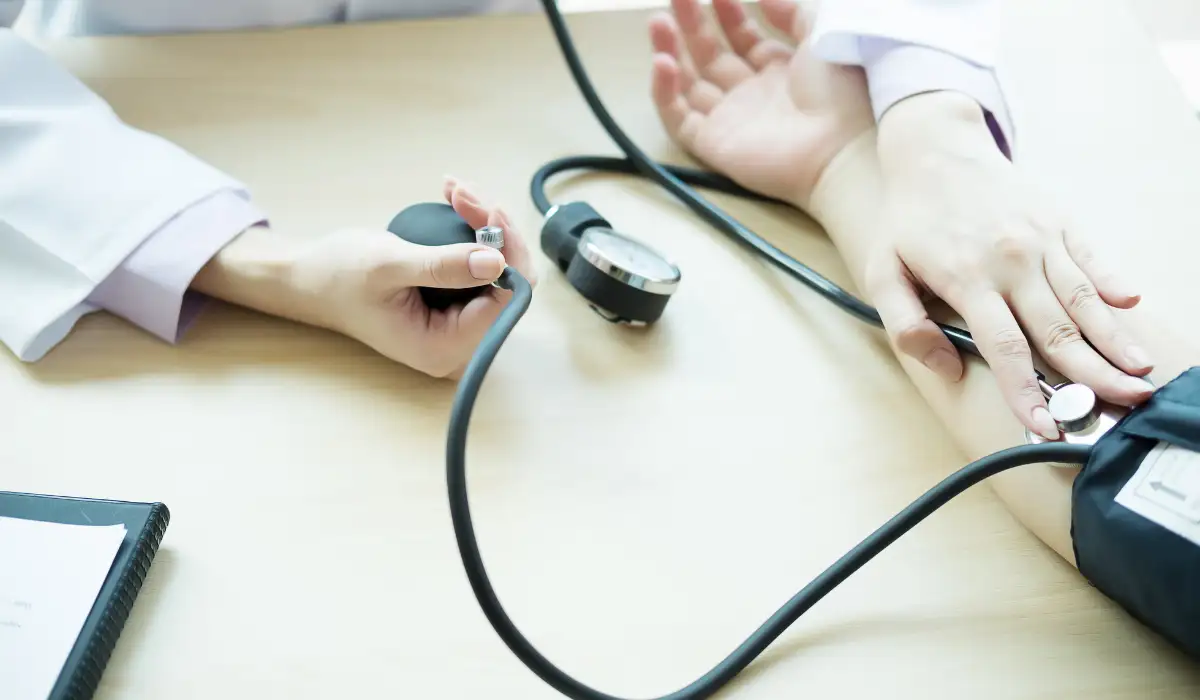
Accurate home blood pressure monitoring helps distinguish persistent diastolic hypertension from temporary changes. Use a validated automatic upper-arm monitor with a cuff that fits your arm correctly.
Avoid caffeine, alcohol, nicotine, and exercise for at least 30 minutes before measuring. Empty your bladder, sit quietly for five minutes, support your back, keep both feet flat, and rest your arm at heart level.
Place the cuff against bare skin and remain silent during the measurement. Take two readings one or two minutes apart and record both results. Measuring at similar times each day can make patterns easier to identify.
Bring your monitor and blood pressure record to medical appointments. A clinician may compare your device with an office reading or recommend ambulatory monitoring if white-coat hypertension or masked hypertension is suspected.
Follow the DASH Diet for Blood Pressure
The DASH diet, or Dietary Approaches to Stop Hypertension, supports healthy systolic and diastolic blood pressure. It emphasizes vegetables, fruits, whole grains, beans, nuts, fish, poultry, and low-fat or fat-free dairy products.
This eating pattern also limits saturated fat, sweets, sugary drinks, fatty meats, and heavily processed foods. DASH foods naturally provide fiber, calcium, magnesium, and potassium, which support cardiovascular health.
A simple DASH-style meal might include grilled fish, brown rice, vegetables, and fruit. Another option is a bean and vegetable bowl with whole grains, unsalted nuts, and plain low-fat yogurt.
The DASH eating plan does not require special products or strict meal replacements. Portions should still match your energy needs, medical conditions, and weight-management goals.
Reduce Sodium to Lower Diastolic Pressure
Excess sodium can cause the body to retain water, increasing the volume of blood moving through the vessels. Reducing sodium may help lower diastolic blood pressure and improve the effectiveness of prescribed hypertension medicines.
Most dietary sodium does not come only from the saltshaker. Packaged meals, canned soups, cured meats, sauces, fast food, salty snacks, bread, and restaurant foods can contain substantial amounts.
The DASH eating plan uses 2,300 mg of sodium daily as a standard target. NHLBI reports that reducing intake to 1,500 mg daily can lower blood pressure further, although individual recommendations may vary.
Check nutrition labels and compare sodium per serving. Choose fresh ingredients, rinse canned vegetables and beans, request sauces separately, and flavor meals with herbs, garlic, lemon, or salt-free seasoning.
Eat More Potassium-Rich Foods Carefully
Dietary potassium helps balance some of sodium’s effects and supports normal blood vessel function. Potassium-rich foods include bananas, oranges, potatoes, beans, lentils, leafy vegetables, yogurt, tomatoes, and certain fish.
Obtaining potassium through food is generally preferable to taking a supplement. However, increasing potassium is not safe for everyone, particularly people with kidney disease or those using medicines that raise blood potassium.
Do not begin potassium supplements or potassium-based salt substitutes without medical guidance. A clinician may order blood tests and provide an appropriate dietary target based on your kidney function and medications.
Exercise to Reduce Diastolic Blood Pressure
Regular physical activity strengthens the heart and improves circulation, helping it pump blood with less effort. Aerobic exercise and resistance training may both contribute to better diastolic blood pressure control.
Most adults can work toward at least 150 minutes of moderate-intensity aerobic activity each week. Brisk walking, cycling, swimming, dancing, and active household tasks can all count toward that goal.
Begin gradually if you have been inactive. Short 10- or 15-minute walks can be easier to maintain before increasing duration or intensity.
Strengthening major muscle groups at least twice weekly may provide additional cardiovascular benefits. People with severe hypertension, chest pain, dizziness, or significant heart disease should ask a clinician what level of exercise is safe.
Reach and Maintain a Healthy Weight
Excess body weight can increase resistance within blood vessels and make the heart work harder. Gradual, sustainable weight loss may lower both systolic and diastolic blood pressure in people who are overweight.
Focus on habits that can be maintained rather than restrictive diets. Balanced portions, minimally processed foods, regular movement, sufficient sleep, and realistic weekly goals can support healthy weight management.
Blood pressure improvement can occur before a person reaches a specific target weight. A clinician or registered dietitian can help create an eating plan that accounts for diabetes, kidney disease, food preferences, and medications.
Limit Alcohol and Avoid Nicotine
Alcohol can raise blood pressure and interfere with some hypertension medicines. Drinking less or avoiding alcohol may help reduce high diastolic pressure, especially when intake has been frequent or heavy.
Nicotine temporarily increases heart rate and blood pressure while damaging blood vessels over time. Avoiding cigarettes, vaping, smokeless tobacco, and other nicotine products supports overall cardiovascular health.
People who drink heavily should seek medical advice before stopping suddenly because alcohol withdrawal can be dangerous. Professional support may also make quitting nicotine more manageable.
Improve Sleep and Check for Sleep Apnea
Poor sleep can interfere with the body’s normal overnight blood pressure pattern. Maintaining a regular sleep schedule, reducing late caffeine, limiting screen exposure before bed, and creating a quiet sleeping environment may support blood pressure management.
Obstructive sleep apnea is a possible contributor to difficult-to-control hypertension. Warning signs include loud snoring, pauses in breathing, gasping during sleep, morning headaches, and severe daytime sleepiness.
A sleep study may be recommended when these symptoms occur with elevated diastolic blood pressure. Treating confirmed sleep apnea can improve sleep quality and may contribute to better cardiovascular control.
Manage Stress Without Ignoring Hypertension
Stress can temporarily raise blood pressure by increasing heart rate and narrowing blood vessels. Slow breathing, meditation, yoga, regular exercise, counseling, and scheduled breaks may reduce these short-term responses.
Stress management supports treatment, but it should not replace blood pressure monitoring or prescribed medicine. Persistent diastolic hypertension requires proper assessment even when anxiety appears to affect some readings.
Record stressful events alongside home measurements if you notice a pattern. This information can help a healthcare professional distinguish occasional increases from consistently high blood pressure.
Review Medicines and Underlying Causes
Some prescription medicines, over-the-counter products, and supplements may raise blood pressure. Examples include certain decongestants, stimulants, anti-inflammatory medicines, hormonal medicines, and products marketed for energy or weight loss.
Do not discontinue a prescribed medicine independently. Ask a physician or pharmacist to review everything you take, including vitamins, herbal products, pre-workout formulas, and nonprescription pain relievers.
Medical conditions that may contribute to high diastolic pressure include:
- Kidney disease
- Obstructive sleep apnea
- Thyroid disorders
- Adrenal gland disorders
- Diabetes
- Obesity
- Certain blood vessel conditions
Testing may include blood and urine tests, kidney function assessment, thyroid testing, an electrocardiogram, or sleep evaluation. The choice of tests depends on symptoms, age, medical history, and the severity of hypertension.
Medicines for Diastolic Hypertension
Lifestyle changes are recommended for people with elevated blood pressure, but some individuals also need medication. Treatment decisions depend on the complete reading, cardiovascular risk, existing disease, and response to healthy habits.
Common blood pressure medicine categories include thiazide-type diuretics, calcium channel blockers, angiotensin-converting enzyme inhibitors, and angiotensin receptor blockers. Each category has different benefits, precautions, and potential adverse effects.
Take medication at the prescribed dose and time. Never double a missed dose, stop treatment abruptly, or use another person’s medicine unless a healthcare professional specifically instructs you to do so.
Home monitoring can show whether treatment is working. It can also help identify low blood pressure, dizziness, or other problems that may require a medication adjustment.
When to Contact a Healthcare Professional?
Schedule an appointment when your diastolic blood pressure repeatedly measures 80 mm Hg or higher. Earlier assessment is particularly important if you have diabetes, kidney disease, heart disease, previous stroke, pregnancy, or a strong family history of cardiovascular disease.
Contact your clinician if medication causes faintness, unusual weakness, swelling, persistent coughing, or other concerning effects. Do not wait for symptoms to evaluate hypertension because high blood pressure is often symptomless.
A reading higher than 180/120 mm Hg requires immediate attention. Wait at least one minute and measure again. If it remains that high without concerning symptoms, contact a healthcare professional as soon as possible.
Call emergency services when a reading above 180/120 mm Hg occurs with chest pain, shortness of breath, back pain, numbness, weakness, vision changes, or difficulty speaking. Do not attempt to lower a hypertensive emergency at home.
Conclusion
Understanding how to lower my diastolic blood pressure requires more than reacting to one elevated reading. Correct home monitoring can confirm whether the bottom number remains consistently high and requires medical evaluation.
A DASH-style diet, reduced sodium, physical activity, healthy weight management, better sleep, limited alcohol, and stress management may help lower diastolic blood pressure. When these measures are insufficient, clinician-guided medication and treatment of underlying conditions can provide safer, more effective control.
FAQS
Under current US guidelines, diastolic pressure of 80–89 mm Hg is classified as stage 1 hypertension, while a reading of 90 mm Hg or higher indicates stage 2 hypertension.
Water may correct dehydration, but it is not a reliable treatment for hypertension. Persistent high diastolic pressure requires accurate monitoring, healthy lifestyle changes, and sometimes clinician-prescribed medication.
Vegetables, fruits, whole grains, beans, nuts, fish, and low-fat dairy support a DASH-style diet. Choose minimally processed foods while reducing sodium, saturated fat, and added sugar.
The timeline varies with the cause, starting pressure, lifestyle changes, and medication. Some people notice improvement within weeks, but sustained blood pressure control requires ongoing habits and monitoring.
Repeatedly elevated diastolic pressure may increase long-term cardiovascular risk, even when systolic pressure is normal. A healthcare professional should confirm the readings and assess overall heart and kidney health.
Yes. Stress hormones may temporarily increase heart rate and narrow blood vessels, raising diastolic pressure. Relaxation techniques may help, but repeated high readings still require medical evaluation.
Regular brisk walking can strengthen the heart, improve circulation, and support lower blood pressure. Most adults can gradually work toward 150 minutes of moderate physical activity weekly.
Poor or insufficient sleep may disrupt normal blood pressure regulation. Persistent snoring, breathing pauses, morning headaches, and daytime sleepiness should be discussed with a healthcare professional.
Repeatedly elevated diastolic pressure with normal systolic pressure is called isolated diastolic hypertension. It deserves medical assessment, although one unusual reading does not confirm the condition.
Caffeine may temporarily increase blood pressure, particularly in people who consume it infrequently. Check your pressure before and after caffeine and discuss noticeable increases with a clinician.