
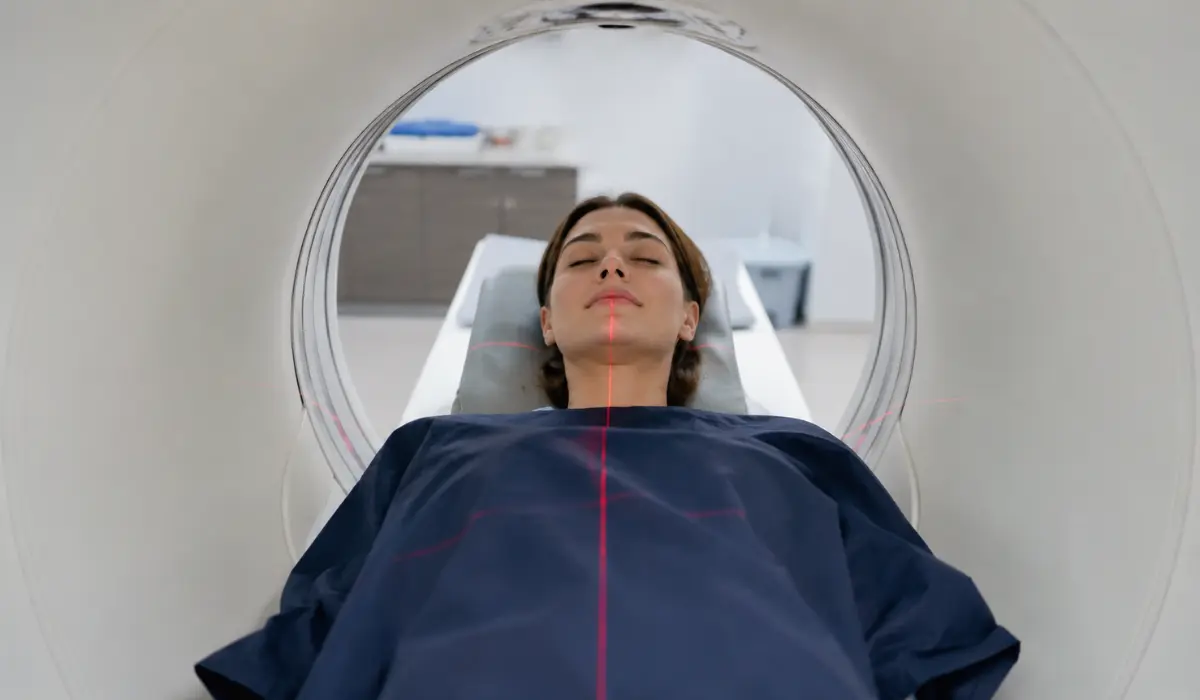
A TIA, often called a mini-stroke, may show up on an MRI scan, but not always. Some people have normal MRI results even after clear TIA-like symptoms. This can happen because a TIA usually causes a short blockage of blood flow that resolves quickly.
Doctors often use MRI because it can give detailed images of the brain. A special MRI sequence called diffusion-weighted imaging, or DWI, may detect small areas of recent brain injury. Research and clinical guidance show that MRI with DWI is more sensitive than CT for small ischemic changes.
Why A TIA May Not Always Appear On MRI?
A TIA may not leave permanent damage in the brain. If blood flow returns quickly, the brain tissue may recover before visible injury occurs. This is one reason a person can have serious symptoms but still receive a normal MRI report.
Timing also matters. An MRI done soon after symptoms may be more helpful than one done much later. Some small changes can be missed, especially if the affected area is tiny or located in a difficult part of the brain to image.
Why Doctors Still Use MRI After TIA Symptoms?
Doctors may order an MRI to check whether the event was truly a TIA or a small stroke. Sometimes symptoms disappear quickly, but imaging may still show a small stroke. This can change the level of concern and the prevention plan.
MRI can also help rule out other possible causes of symptoms. Conditions such as migraine, seizure, bleeding, tumors, or other brain problems can sometimes mimic TIA symptoms. NHS guidance notes that brain scans may be used when it is unclear which part of the brain was affected.
What MRI Findings May Mean?
If an MRI shows a small area of restricted diffusion, it may suggest recent reduced blood flow or a small ischemic stroke. In people with TIA symptoms, DWI-positive findings can help doctors understand where the problem occurred.
A positive MRI finding may also suggest a higher risk of future stroke. The American Heart Association notes that MRI with DWI can show lesions in about 40% of people presenting with TIA symptoms, and DWI positivity is linked with higher short-term stroke risk.
A Normal MRI Does Not Always Mean Nothing Happened
A normal MRI does not fully rule out a TIA. Many TIAs are diagnosed based on symptoms, medical history, physical exam, and risk factors, not imaging alone. This is important because waiting for proof on a scan can delay care.
Doctors take symptoms seriously even if the scan is clear. Sudden weakness, face drooping, speech trouble, vision loss, dizziness, or numbness can still point to a temporary blood-flow problem. A clear MRI should not be used as a reason to ignore warning signs.
Other Tests That May Be Done After A Suspected TIA
After a suspected TIA, doctors often check the blood vessels and heart. This may include carotid ultrasound, CT angiography, MR angiography, ECG, blood pressure checks, cholesterol testing, and diabetes screening.
These tests help find the reason the TIA happened. For example, narrowed neck arteries, irregular heartbeat, high blood pressure, high cholesterol, or diabetes can raise stroke risk. NHS Inform lists blood tests, ECG, artery scans, and brain scans among tests that may be used after TIA symptoms.
When To Seek Emergency Care?
TIA symptoms should be treated as an emergency, even if they go away within minutes. A TIA may be a warning sign that a larger stroke could happen later. Fast medical care can reduce the risk of future problems.
Mayo Clinic explains that a TIA is caused by a brief blockage of blood flow to the brain and can be a warning of future stroke. Anyone with sudden stroke-like symptoms should seek urgent medical help instead of waiting to see whether symptoms return.
Why Early Evaluation Matters?
Early evaluation gives doctors a chance to lower stroke risk. Treatment may include blood-thinning medicine, cholesterol medicine, blood pressure control, diabetes care, lifestyle changes, or procedures for narrowed arteries when needed.
The goal is not only to confirm whether the event was a TIA. The bigger goal is to prevent a future stroke. Even when MRI results are normal, the overall medical assessment can still guide treatment and follow-up.
Simple Takeaway For Patients
So, does a TIA show up on an MRI scan? Sometimes it does, especially when MRI with DWI is done soon after symptoms. But many TIAs may not leave a visible mark, so a normal MRI does not always mean the symptoms were harmless.
The safest approach is to take TIA symptoms seriously. If you or someone else has sudden speech trouble, weakness, facial drooping, vision changes, or numbness, get urgent medical care. Imaging is helpful, but it is only one part of the diagnosis.
Frequently Asked Questions
MRI is often the preferred scan for TIA because it gives detailed brain images and may show small areas affected by reduced blood flow.
Doctors confirm a TIA by reviewing symptoms, medical history, risk factors, exams, and scans like MRI to rule out bleeding or other brain problems.
A TIA may show on diffusion-weighted MRI within 24 to 48 hours, but many scans can still appear normal after symptoms disappear.
Yes, a TIA can happen without a full stroke, but it is a warning sign that future stroke risk may be higher.
Doctors may detect a past mini stroke through medical history, neurological exams, CT scans, or MRI scans that show older brain changes.