
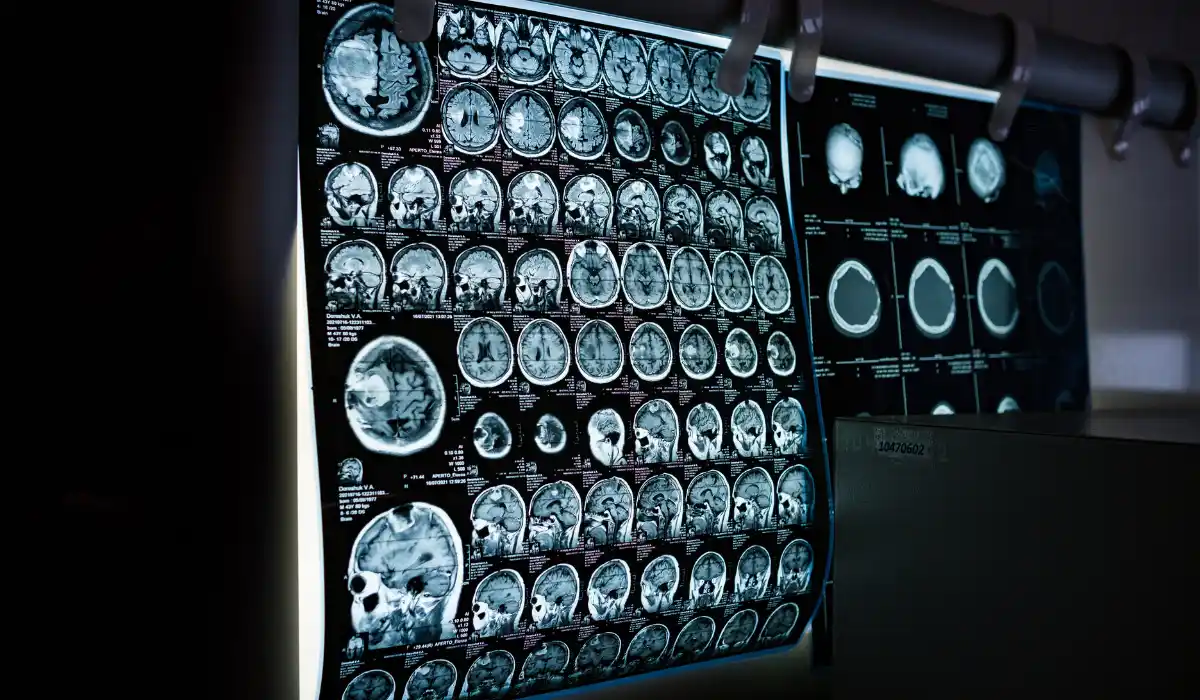
Digital subtraction angiography is a medical imaging test that helps doctors see blood vessels clearly. It is often called DSA angiography or simply DSA. This test uses X-ray imaging, contrast dye, and computer processing to highlight arteries or veins while removing background structures from the image.
Doctors may use digital subtraction angiography when they need a detailed view of blood flow. It can help detect narrowed blood vessels, blocked arteries, aneurysms, abnormal blood vessel connections, bleeding, or circulation problems. In many cases, DSA also helps interventional radiology teams plan or perform treatment during the same procedure.
What Is Digital Subtraction Angiography?
Digital subtraction angiography is a type of angiography that uses computer technology to make blood vessels easier to see. The word “subtraction” means the computer removes bones and soft tissues from the image so the blood vessels stand out more clearly.
During the test, the imaging team takes one image before contrast dye enters the blood vessels. Then they take more images after the dye flows through the vessels. The computer subtracts the first image from the later images, leaving a clearer picture of the blood vessels.
How Digital Subtraction Angiography Works?
DSA works by combining X-ray imaging with contrast dye. The dye makes the inside of blood vessels visible on the scan. The computer then processes the images to reduce background details and improve vessel visibility.
This method helps doctors see blood flow in real time. It can show how quickly blood moves, where a vessel narrows, where a blockage sits, or whether abnormal vessels are present. This makes DSA useful for both diagnosis and treatment planning.
Why Doctors Use DSA Angiography?
Doctors use DSA angiography when they need accurate blood vessel imaging. It can provide detailed pictures of arteries and veins in different parts of the body, including the brain, neck, heart, abdomen, pelvis, arms, and legs.
A doctor may recommend DSA if other imaging tests do not give enough detail. It may also be used when a patient may need a minimally invasive treatment, such as angioplasty, stent placement, embolization, or clot-related treatment.
Conditions Digital Subtraction Angiography Can Detect
Digital subtraction angiography can help detect many blood vessel conditions. These may include aneurysms, narrowed arteries, blocked arteries, blood clots, bleeding, arteriovenous malformations, vascular tumors, and poor blood flow.
In brain imaging, DSA can help doctors study aneurysms, stroke-related blood vessel problems, and abnormal connections between arteries and veins. In the legs, it can help assess blocked arteries that may cause pain while walking or poor wound healing.
Digital Subtraction Angiography in Interventional Radiology
DSA plays an important role in interventional radiology. Interventional radiologists use imaging guidance to diagnose and treat conditions through small incisions instead of large surgery.
During some procedures, DSA allows the doctor to see the blood vessels while guiding tiny tools through them. This can help with treatments such as opening narrowed vessels, placing stents, blocking abnormal bleeding, or treating certain vascular malformations.
Digital Subtraction Angiography vs CT Angiography
Digital subtraction angiography and CT angiography both look at blood vessels, but they are different tests. CT angiography uses a CT scanner and contrast dye through an IV line. It is fast, noninvasive, and commonly used for many vascular conditions.
Digital subtraction angiography usually uses a catheter placed into a blood vessel. It is more invasive than CT angiography, but it can give very detailed, real-time images. It may also allow treatment during the same session, which CT angiography usually cannot do.
Digital Subtraction Angiography vs MRI Angiography
MRI angiography uses magnetic fields and radio waves to create blood vessel images. Some MRI angiography exams use contrast, while others may not need it.
DSA often gives more detailed real-time vessel images than MRI angiography. However, MRI angiography avoids X-ray radiation. The best test depends on the patient’s symptoms, medical condition, kidney function, urgency, and the level of detail the doctor needs.
How to Prepare for Digital Subtraction Angiography?
Your healthcare team will give specific instructions before the test. You may need to avoid eating or drinking for several hours before the procedure, especially if sedation is planned.
Tell your doctor about all medicines you take, including blood thinners, diabetes medicines, aspirin, supplements, and over-the-counter drugs. Also mention kidney disease, bleeding problems, pregnancy, possible pregnancy, or any past reaction to contrast dye.
What Happens Before the Procedure?
Before digital subtraction angiography begins, the care team may check your blood pressure, pulse, oxygen level, and medical history. You may also need blood tests to check kidney function and blood clotting.
You will usually change into a hospital gown. The team may place an IV line for fluids or medicines. The doctor will explain the procedure and ask you to sign a consent form before starting.
What Happens During Digital Subtraction Angiography?
During the procedure, you lie on an imaging table. The care team cleans the skin near the catheter entry site, often in the groin or wrist. They use numbing medicine to reduce pain in that area.
The doctor places a thin catheter into the blood vessel and guides it to the area that needs imaging. Contrast dye is injected through the catheter while X-ray images are taken. The computer processes the images to show the blood vessels clearly.
Does Digital Subtraction Angiography Hurt?
Most people do not feel sharp pain during the procedure because the insertion area is numbed. You may feel pressure when the catheter is placed. Some people feel warmth, flushing, or a brief unusual taste when the contrast dye is injected.
After the procedure, the catheter site may feel sore or bruised for a few days. Tell the care team right away if you feel strong pain, numbness, chest pain, trouble breathing, or sudden weakness.
How Long Does Digital Subtraction Angiography Take?
The time can vary depending on the body area being studied and whether treatment is done at the same time. A simple diagnostic DSA may take less time, while complex interventional procedures may take longer.
You should also plan for preparation and recovery time. Even if the imaging part is not very long, you may need to stay for monitoring after the catheter is removed.
What Happens After DSA Angiography?
After DSA angiography, the doctor removes the catheter and applies pressure to the insertion site to help prevent bleeding. In some cases, a closure device may be used.
You may need to lie still for a period of time, especially if the catheter was placed through the groin. The team will monitor your blood pressure, pulse, and catheter site. Follow all instructions about activity, bathing, and lifting after you go home.
Possible Risks of Digital Subtraction Angiography
Digital subtraction angiography is generally safe when performed by trained medical teams, but it does have risks. Possible risks include bleeding, bruising, infection, pain, blood vessel injury, blood clots, contrast dye reaction, and kidney problems.
The risk level depends on your age, medical history, kidney function, blood thinner use, and the body area being examined. Your doctor should explain the benefits and risks before the procedure.
Who May Need Extra Precautions?
Some people need extra precautions before DSA angiography. This includes people with kidney disease, diabetes, bleeding disorders, severe contrast dye allergy, pregnancy, or complex heart and blood vessel conditions.
People taking blood thinners may need special instructions. Do not stop any prescribed medicine unless your doctor tells you to do so. Your care team will decide how to manage medicines safely before the test.
What Digital Subtraction Angiography Results Can Show?
DSA results can show whether blood vessels look normal or abnormal. The test may reveal narrowed arteries, blocked vessels, aneurysms, bleeding, abnormal blood vessel growth, or unusual connections between arteries and veins.
The results can help doctors choose the next step. Some patients may need medicine, lifestyle changes, more imaging, surgery, or an interventional radiology procedure. In some cases, treatment may happen during the same DSA session.
When to Call a Doctor After the Procedure?
Call your doctor if you notice bleeding, increasing swelling, severe pain, fever, redness, warmth, or drainage at the catheter site. Also call if your leg or arm becomes cold, pale, numb, weak, or painful.
Seek emergency care for chest pain, trouble breathing, fainting, sudden weakness, facial drooping, confusion, or trouble speaking. These symptoms need urgent medical attention.
Digital Subtraction Angiography Recovery Tips
Follow your discharge instructions carefully. Drink fluids if your doctor says it is safe, because this may help your body clear the contrast dye. Rest as directed and avoid heavy lifting until your care team says it is okay.
Check the catheter site for changes. Mild bruising can happen, but worsening swelling, active bleeding, or severe pain should be reported. Keep follow-up appointments so your doctor can review results and treatment plans.
Final Thoughts
Digital subtraction angiography is an advanced blood vessel imaging test that gives doctors a clear view of arteries and veins. It uses contrast dye, X-ray imaging, and computer subtraction to highlight blood flow and remove background details.
DSA angiography is especially useful when doctors need very detailed images or when treatment may be done during the same procedure. If your doctor recommends this test, ask why you need it, how to prepare, what risks apply to you, and what the results may mean.
FAQs
Digital subtraction angiography is an imaging test that uses X-rays, contrast dye, and computer processing to show blood vessels clearly.
Doctors use DSA to check narrowed arteries, blocked vessels, aneurysms, bleeding, abnormal vessels, and blood flow problems in different body areas.
The procedure usually causes little pain because the catheter area is numbed. You may feel pressure, warmth, or soreness afterward.
DSA is generally safe, but risks include bleeding, bruising, infection, contrast reaction, kidney problems, and blood vessel injury.
The time varies. A diagnostic test may be shorter, while a complex interventional procedure may take longer and require more recovery time.
CT angiography uses CT scanning and IV contrast. DSA usually uses a catheter and gives real-time detailed vessel images, sometimes with treatment.
References
- Cleveland Clinic
https://my.clevelandclinic.org/health/diagnostics/4977-angiography. - MedlinePlus
https://medlineplus.gov/ency/article/003327.htm