
Pregnancy can feel exciting at first, but unusual pain or bleeding may quickly become worrying. This question often comes up during the first weeks of pregnancy, when symptoms can be mild, unclear, or easy to mistake for normal early pregnancy changes. Understanding the possible timeline and warning symptoms can help you seek medical care early, before the condition becomes serious.
What Is an Ectopic Pregnancy?
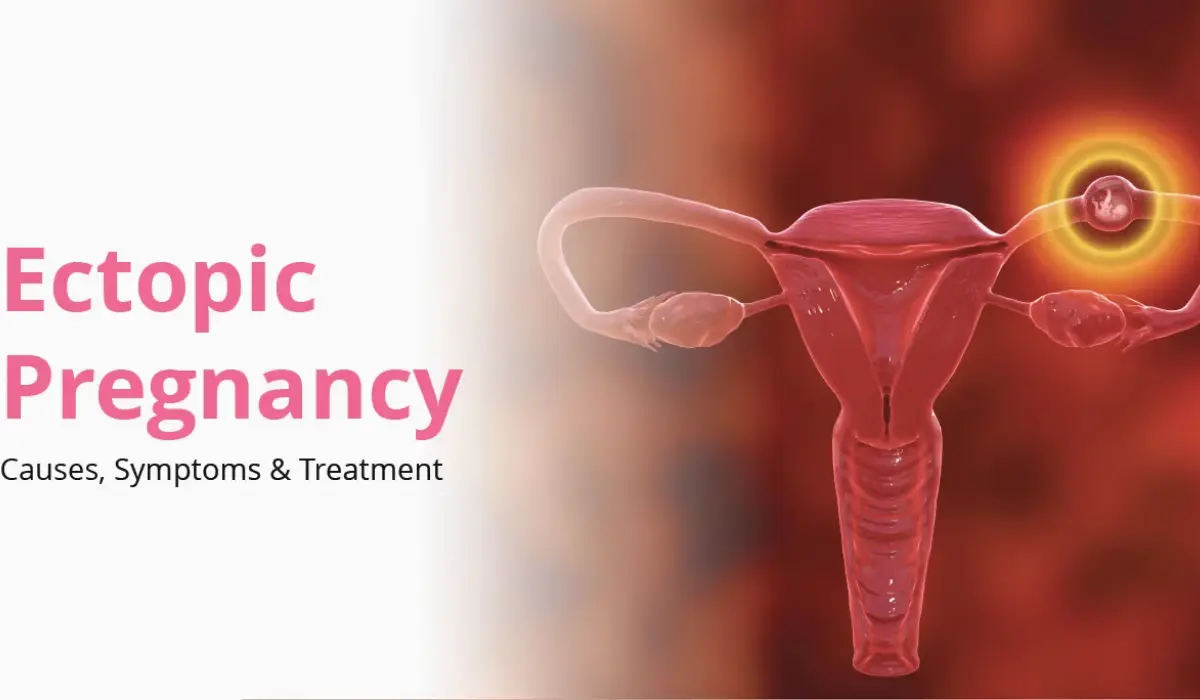
An ectopic pregnancy happens when a fertilized egg implants somewhere outside the uterus, most often in a fallopian tube. Because there’s no other location in the body built to support a growing pregnancy, the tissue can’t develop safely long-term. Left untreated, it can cause internal bleeding and become life-threatening, which is why early recognition matters so much.
When Do Ectopic Pregnancy Symptoms Typically Start?
Most people begin noticing symptoms of ectopic pregnancy between the 4th and 12th week of pregnancy. Many cases show signs around week 6 to week 8, or about 6 to 8 weeks after the last menstrual period.
Some people may have no clear early warning signs. In those cases, an ectopic pregnancy may only be found during a routine ultrasound or early pregnancy checkup.
In the very earliest stage, an ectopic pregnancy can feel just like a normal one. You might notice a missed period, sore breasts, fatigue, nausea, and a positive pregnancy test — all completely typical early pregnancy changes. This overlap is exactly why ectopic pregnancy can be tricky to catch early without a scan, especially in people who don’t yet know they’re at higher risk.
Early Warning Signs to Watch For
As the pregnancy progresses in the wrong location, more specific symptoms tend to appear. These often include:
- One-sided pelvic or abdominal pain – often sharp, and typically concentrated on one side before it may spread
- Abnormal vaginal bleeding – may be lighter, darker, or more watery than a typical period
- Pain during sex or when moving your bowels
- Mild cramping that feels different from usual period cramps
- Shoulder tip pain – a lesser-known but important sign, caused by internal bleeding irritating nerves near the diaphragm
If you notice a mix of pelvic pain and unusual bleeding in early pregnancy, it’s worth contacting your doctor promptly rather than waiting to see if it resolves.
Signs of a Possible Rupture
IIf an ectopic pregnancy is not caught early, the growing tissue can eventually cause the fallopian tube to rupture. This is a medical emergency. Symptoms of rupture can include sudden, severe abdominal or pelvic pain that spreads across the belly, dizziness, lightheadedness, fainting, pale skin, rapid heartbeat, or pain that worsens with movement or deep breathing.
A tight or weak pelvic floor can sometimes cause pelvic pressure or discomfort, but it should not be assumed to be the cause of severe pain during early pregnancy. If you experience any of these emergency symptoms, seek medical care immediately rather than waiting for a scheduled appointment.
Why Timing Varies From Person to Person?
The exact week symptoms appear depends on several factors, including where the pregnancy has implanted. Tubal pregnancies (the most common type) tend to cause symptoms earlier, often before week 8, because the fallopian tube is a narrow space with little room for tissue to grow. Ectopic pregnancies that implant elsewhere, such as the cervix or abdominal cavity, may not cause noticeable symptoms until later in the first trimester.
Certain risk factors can also make it more likely you’ll experience an ectopic pregnancy in the first place, including a prior ectopic pregnancy, pelvic infections, endometriosis, fertility treatments, or conceiving with an IUD in place. That said, roughly a third to half of people diagnosed with ectopic pregnancy have no identifiable risk factors, so paying attention to symptoms matters for everyone.
When to Contact a Doctor?
Because early symptoms can look so similar to a normal pregnancy, it’s best to reach out to a healthcare provider whenever you experience:
- Any vaginal bleeding during pregnancy, even if light
- Pelvic or abdominal pain, especially if it’s one-sided
- A positive pregnancy test combined with unusual cramping
An early ultrasound and blood test (checking hCG hormone levels) can often confirm whether a pregnancy is developing normally or outside the uterus, sometimes before symptoms even appear.
Conclusion
Ectopic pregnancy symptoms most commonly start between weeks 4 and 12, with week 6 to 8 being the most typical window. Early signs can mimic normal pregnancy, but persistent one-sided pain, abnormal bleeding, or shoulder tip pain pregnancy symptoms are red flags worth checking right away.
If you ever experience sudden, severe pain or signs of internal bleeding during pregnancy, treat it as an emergency and seek care immediately. Trusting your instincts, learning the ectopic pregnancy warning signs, and acting early are important steps for your safety.
FAQS
It’s uncommon, but possible. Most people don’t notice symptoms until after a missed period, typically once hCG levels rise enough to cause implantation-related pain or bleeding.
It’s often described as a dull ache or sharp twinge on one side of the lower abdomen, which may come and go before becoming more constant.
Yes. Some people have no noticeable symptoms, and the condition is only found during a routine early pregnancy ultrasound.
No. Light bleeding can happen in many normal early pregnancies. However, any bleeding paired with pelvic pain should be checked by a doctor to rule out ectopic pregnancy.
Doctors typically use a combination of blood tests (tracking hCG hormone levels), a pelvic exam, and an ultrasound to locate the pregnancy.
In early, uncomplicated cases, medication may be used to stop the pregnancy from progressing. More advanced or ruptured cases usually require surgery.
Reference
Ectopic pregnancy signs and treatment
https://my.clevelandclinic.org/health/diseases/9687-ectopic-pregnancy
Ectopic pregnancy symptoms
https://www.nhs.uk/conditions/ectopic-pregnancy/symptoms/