
If you are wondering how long after a miscarriage can you get pregnant again, the answer is often sooner than many people expect. Ovulation can return as early as about two weeks after an early miscarriage, which means pregnancy may be possible before your next period. However, the best time to try again depends on your physical recovery, emotional readiness, and your doctor’s advice.
A miscarriage can be painful physically and emotionally. Some people feel ready to try again quickly, while others need more time. Both responses are normal.
How Soon Can Pregnancy Happen After Miscarriage?
Pregnancy can happen soon after a miscarriage if ovulation returns and unprotected sex occurs. Some people ovulate before their first period after pregnancy loss.
This does not mean everyone should try immediately. It means fertility can return quickly, so birth control is needed if you do not want to become pregnant right away.
Many healthcare providers suggest waiting until bleeding has stopped and symptoms have settled before having sex or trying again. This may help reduce infection risk and give the body time to recover.
When Does Ovulation Return?
Ovulation may return within a few weeks after an early miscarriage. The exact timing depends on how far along the pregnancy was, hormone levels, bleeding, and whether any treatment was needed.
Some people notice signs of ovulation, such as clear stretchy discharge, mild pelvic cramps, or changes in basal body temperature. Others may not notice any clear signs.
A pregnancy test may stay positive for a short time after miscarriage because pregnancy hormone can remain in the body. Waiting for a negative pregnancy test can make it easier to know whether a future positive test is from a new pregnancy.
When Will Your Period Return?
Your first period after a miscarriage may return within a few weeks, but timing varies. It can take up to eight weeks for a period to come back, and cycles may take a few months to feel normal again.
The first period may be heavier, lighter, shorter, or more crampy than usual. This can happen as hormones settle.
If your period does not return, or if bleeding continues for a long time, contact a healthcare provider. Ongoing bleeding may need evaluation.
Should You Wait Before Trying Again?
For many people after one early miscarriage, there may be no medical need to delay trying once they feel physically and emotionally ready. Some providers may suggest waiting until after one period because it makes pregnancy dating easier.
However, you may need to wait longer if:
- You had heavy bleeding
- You needed surgery or medication
- You still have pain or fever
- A pregnancy test remains positive
- There may be retained tissue
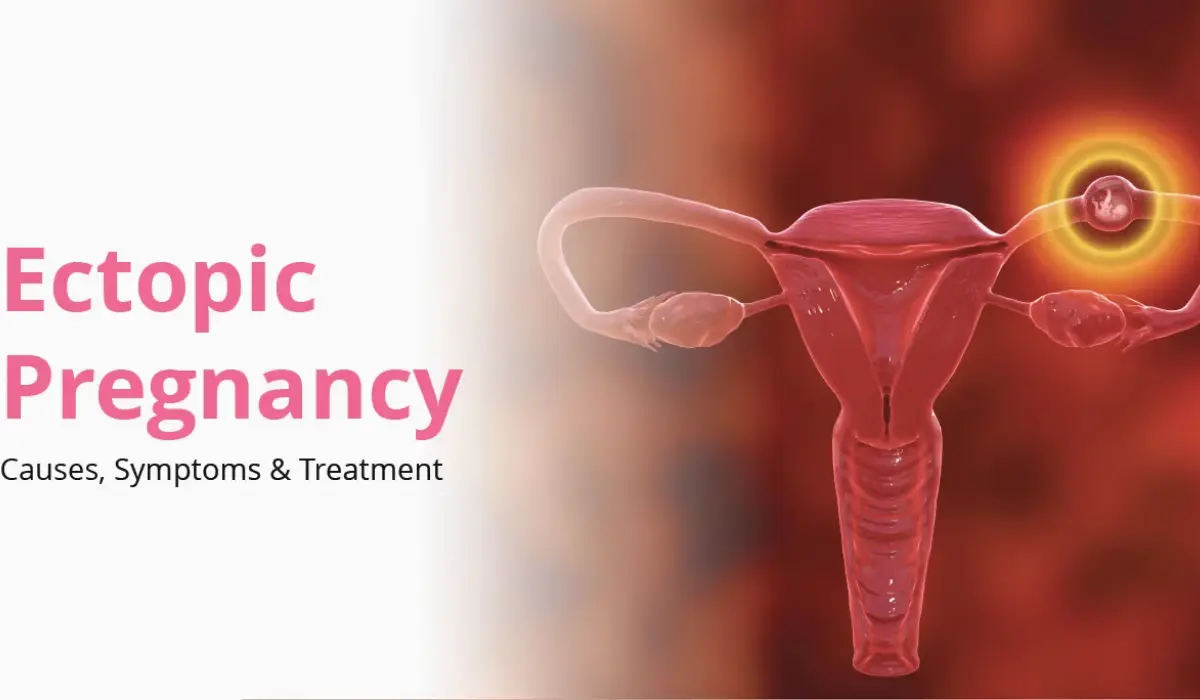
- You had an ectopic or molar pregnancy
- Your doctor advised follow-up testing
The safest answer is personal. Ask your healthcare provider what timing is right for your situation.
Physical Recovery After Miscarriage
Physical recovery can be quick for some people, but not everyone feels normal right away. Cramping, bleeding, fatigue, and hormone changes may continue for several days or longer.
In many cases, physical recovery may take only a few hours to a couple of days, but warning symptoms need medical care. Heavy bleeding, fever, chills, or belly pain should be checked.
Use pads instead of tampons while bleeding is active if your provider recommends it. Avoid sex until bleeding has stopped or until your provider says it is safe.
Emotional Readiness Matters Too
Being physically able to get pregnant again does not always mean you feel emotionally ready. Miscarriage can bring sadness, guilt, fear, anger, or anxiety about another pregnancy.
Many people also wonder, can stress cause a miscarriage, especially after a loss. Normal daily stress is not usually considered a direct cause, but severe stress can affect sleep, appetite, mood, and overall recovery.
There is no fixed timeline for grief. Some people want to try again soon because it gives them hope. Others need weeks or months before they can think about pregnancy again.
Talk with your partner, a trusted friend, counselor, or healthcare provider if you feel overwhelmed. Emotional recovery is part of overall recovery.
What If You Get Pregnant Before Your First Period?
Getting pregnant before your first period after miscarriage is possible. This can happen if ovulation returns quickly.
The main challenge is dating the pregnancy. Without a period, it may be harder to estimate how many weeks pregnant you are. A healthcare provider may use blood tests or ultrasound to confirm timing.
If you get a positive pregnancy test after a miscarriage and never had a negative test in between, contact your provider. They may need to confirm whether it is a new pregnancy or remaining hormone from the previous pregnancy.
Implantation Bleeding vs Miscarriage
Some people worry about implantation bleeding vs miscarriage when they notice spotting after trying to get pregnant again. Implantation bleeding is usually light, short, and mild. Miscarriage bleeding is more likely to become heavier and may come with stronger cramps or clots.
Because bleeding after a miscarriage can be confusing, do not guess based on color alone. If you have a positive pregnancy test with heavy bleeding, severe pain, dizziness, or one-sided pelvic pain, contact a healthcare provider quickly.
How to Prepare Before Trying Again?
A few simple steps may support your health before trying for another pregnancy.
Take a prenatal vitamin with folic acid if your provider recommends it. Eat balanced meals, drink enough water, and avoid smoking, alcohol, and recreational drugs.
Manage existing health conditions such as thyroid disease, diabetes, high blood pressure, or autoimmune conditions. Watch for high blood sugar symptoms like frequent thirst, frequent urination, fatigue, blurry vision, or slow healing. Review medications with a healthcare provider to make sure they are safe for pregnancy.
It also helps to track bleeding, ovulation signs, and cycle dates. This information can make future care easier.
When to Seek Professional Help?
Call a healthcare provider if bleeding is very heavy, pain is severe, fever develops, or you notice foul-smelling discharge. These symptoms may suggest infection or incomplete miscarriage.
You should also ask for guidance if you have had two or more miscarriages, are older, have known fertility problems, or have a medical condition that may affect pregnancy. After more than one miscarriage, testing may be suggested before trying again.
Seek urgent care for severe pelvic pain, fainting, shoulder pain, or heavy bleeding. These symptoms need fast medical evaluation.
Final Thoughts
How long after a miscarriage can you get pregnant again depends on ovulation, recovery, and personal readiness. Fertility after miscarriage can return within a few weeks, but the best timing is different for every person.
Try again when bleeding has stopped, symptoms have settled, and you feel physically and emotionally ready. If you are unsure, a healthcare provider can help you decide a safe plan for your body and future pregnancy.
FAQs
You may ovulate as early as about two weeks after an early miscarriage. Pregnancy is possible before your first period if you have unprotected sex.
Some providers suggest waiting for one period to help date the next pregnancy. Medically, timing depends on recovery, symptoms, and your doctor’s advice.
It may be safe for many people after one early miscarriage if symptoms have settled. Ask your provider if you had complications or ongoing bleeding.
A period may return within a few weeks, but it can take up to eight weeks. Cycles may need time to become regular again.
Yes, ovulation can happen before your first period returns. This means you can become pregnant again without having a period first.
Call for heavy bleeding, fever, chills, severe pain, foul discharge, ongoing positive pregnancy tests, or if you have had repeated pregnancy losses.
Reference
- Early pregnancy loss and getting pregnant again
https://www.acog.org/womens-health/faqs/early-pregnancy-loss - Physical recovery after miscarriage
https://www.mayoclinic.org/diseases-conditions/pregnancy-loss-miscarriage/diagnosis-treatment/drc-20354304