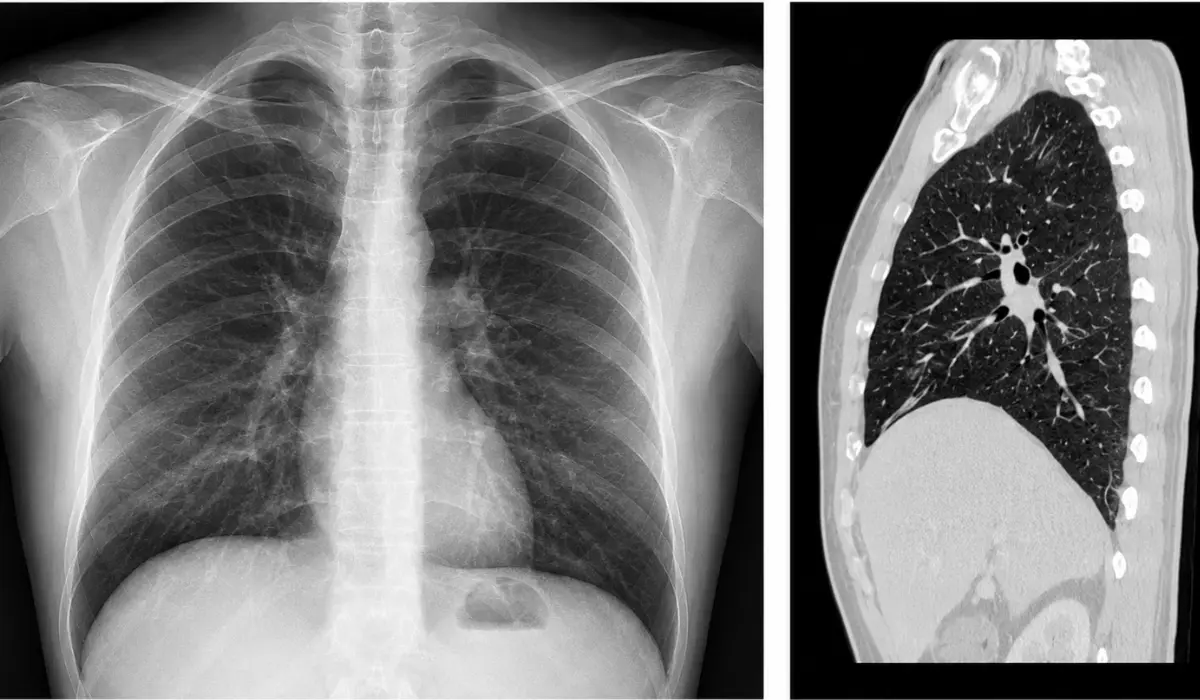
A CT Scan of lungs is a common imaging test used when doctors need a closer look inside the chest. It gives detailed pictures of the lungs, airways, blood vessels, chest wall, and nearby structures. Compared with a normal chest X-ray, a CT scan can show smaller or more detailed changes, which may help doctors understand symptoms such as long-term cough, chest pain, breathing trouble, fever, or unexplained lung findings.
For many people, the idea of a lung scan can feel stressful. However, the test is usually quick, non-surgical, and commonly done in hospitals and imaging centers. A CT scan does not treat a lung condition by itself, but it can give doctors important information so they can decide the next step in care.
Why Doctors May Recommend A CT Scan Of Lungs?
Doctors may suggest a CT scan of lungs when symptoms or earlier test results need a clearer explanation. It may be used to check infections, inflammation, fluid, lung nodules, scarring, emphysema, blood clots, or changes seen on a chest X-ray. It can also help monitor known lung conditions over time.
In some cases, a low-dose CT scan may be used for lung cancer screening in people who meet certain risk criteria, such as age and smoking history. Screening is different from testing symptoms because it is done to look for early signs before major symptoms appear.
What The Scan Can Show Inside The Chest?
A lung CT scan can show the size, shape, and texture of lung tissue in much more detail than many basic imaging tests. It may reveal small spots, areas of infection, collapsed lung areas, airway changes, or patterns that suggest chronic lung disease. High-resolution CT may be used when doctors need more detailed images of the small airways, air sacs, and lung tissue.
The scan may also show nearby parts of the chest, including the pleura, lymph nodes, chest wall, and major blood vessels. This wider view can help doctors understand whether a problem is limited to the lungs or connected to another chest-related issue.
Preparing For The Appointment
Preparation is usually simple. Many people can eat, drink, and take regular medicines as usual unless the imaging center gives different instructions. If contrast dye is planned, the patient may be asked about kidney problems, allergies, diabetes medicines, pregnancy, or previous reactions to contrast material.
It is helpful to wear comfortable clothing and avoid metal items around the chest area, such as jewelry, underwire bras, or clothing with metal fasteners. Patients should also bring previous scan reports if available, because comparison with older images can help doctors see whether a finding is new, stable, or improving.
During The Scan
During the scan, the patient usually lies on a narrow table that moves through a large, ring-shaped CT machine. The test itself is generally fast, and the technologist may ask the patient to hold their breath for a few seconds so the pictures come out clear.
The scan is not painful, but some people may feel nervous because they need to stay still. If contrast dye is used, a warm feeling, metallic taste, or brief flushing sensation may happen. These feelings usually pass quickly, but any unusual symptoms should be reported to the technologist right away.
CT Scan With Contrast And Without Contrast
Not every ct scan of lungs needs contrast dye. Many lung tissue problems, such as infection, inflammation, and some airway changes, can often be seen without contrast. Doctors choose the scan type based on the question they are trying to answer.
Contrast may be used when doctors need a clearer view of blood vessels, certain masses, or possible complications. The decision depends on symptoms, medical history, kidney function, and the reason for the scan. Patients should always tell the imaging team about past contrast reactions or kidney-related concerns.
Safety And Radiation Considerations
A CT scan uses X-rays, so it does involve radiation. For most people, the benefit of getting important diagnostic information is greater than the small risk from radiation exposure. Imaging teams also try to use the lowest dose needed to get useful pictures.
Low-dose CT is commonly discussed in lung cancer screening because it is designed to reduce radiation while still giving useful lung images. Patients who need repeated scans should ask their doctor why each scan is needed and whether past imaging can be compared before ordering another test.
Understanding The Results
After the scan, a radiologist reviews the images and sends a report to the doctor. The report may describe normal findings, infection-like changes, nodules, scarring, airway disease, fluid, enlarged lymph nodes, or other chest findings. The meaning depends on the patient’s symptoms, age, medical history, and previous imaging.
Some findings may need no urgent action, while others may need medicine, follow-up imaging, blood tests, breathing tests, or a specialist visit. A small lung nodule, for example, does not always mean cancer, but doctors may monitor it based on its size, appearance, and risk factors.
When To Speak With A Doctor Quickly?
Patients should seek medical guidance quickly if they have severe shortness of breath, chest pain, coughing blood, high fever, sudden worsening of symptoms, or oxygen levels that are lower than normal. A CT scan may help find the cause, but urgent symptoms should not be ignored.
People should also follow up if they receive a report but do not fully understand it. Medical terms in CT reports can sound worrying, even when the finding is minor. The best next step is to review the report with the ordering doctor, who can explain it in the context of the patient’s health.
Final Thoughts
A ct scan of lungs is a useful imaging test that helps doctors see the chest in detail. It can support the evaluation of cough, breathing issues, infections, nodules, scarring, and other lung-related concerns. The test is usually fast and straightforward, with preparation depending on whether contrast dye is needed.
The most important part is not just getting the scan, but understanding the result correctly. A CT report should always be discussed with a qualified healthcare provider, especially if symptoms continue or the report mentions findings that need follow-up.
Frequently Asked Questions
No, the scan itself is not painful. You lie still on the table while the machine takes images. If contrast is used, you may briefly feel warmth or a metallic taste.
The scan is usually quick, often completed within a few minutes. The full appointment may take longer because of registration, preparation, positioning, or contrast-related steps.
A CT scan can show suspicious lung nodules or masses, but it does not always confirm cancer by itself. Doctors may recommend follow-up scans, biopsy, or specialist review.
No, many lung CT scans are done without contrast. Contrast is used when doctors need better detail of blood vessels, certain masses, or chest complications.
Review the report with your doctor. They can explain whether the findings are normal, need treatment, require follow-up imaging, or need referral to a lung specialist.