A Chest CT Scan is a common medical imaging test used to take detailed pictures of the chest area. It helps doctors see the lungs, heart, blood vessels, ribs, and nearby tissues more clearly than a regular X-ray. This test is often recommended when a doctor needs a closer look at symptoms such as chest pain, breathing problems, long-term cough, infection, or abnormal X-ray findings.
Many people feel nervous when they hear they need a CT scan, but the test is usually quick, painless, and simple. Understanding why it is done and what happens during the scan can help reduce stress. A Chest CT Scan does not usually take much time, and most people can return to normal activities soon after the appointment.
Why Doctors Recommend A Chest CT Scan?
Doctors may suggest a Chest CT Scan when they need detailed images of the chest. It can help find lung infections, inflammation, tumors, blood clots, fluid buildup, injuries, or changes in the lungs. It may also be used to check the cause of chest pain, shortness of breath, wheezing, or an ongoing cough that does not improve with basic treatment.
A Chest CT Scan is also useful for monitoring known medical conditions. For example, doctors may use it to follow lung nodules, check treatment progress, or look at changes after surgery or illness. It gives more detailed information than a standard chest X-ray, which helps doctors make better decisions about care.
When A Chest CT Scan May Be Needed?
Breathing or Lung-Related Symptoms
A Chest CT Scan may be needed when a person has breathing problems that are not clearly explained by a physical exam or X-ray. Symptoms like persistent cough, repeated lung infections, unexplained fever, chest tightness, or difficulty breathing may lead a doctor to request this scan. It can show small changes in the lungs that may not appear on basic imaging.
The scan may also help detect conditions such as pneumonia, lung scarring, chronic lung disease, or fluid around the lungs. In some cases, it can help doctors check whether symptoms are linked to infection, inflammation, or another chest-related problem. This makes it an important tool for accurate diagnosis.
Chest Pain or Injury
A Chest CT Scan may be used after an accident, fall, or injury to check the ribs, lungs, and chest wall. It can help detect fractures, internal bleeding, bruising, or damage that may not be visible on a normal X-ray. This is especially useful when symptoms are serious or when quick answers are needed.
It may also be recommended for chest pain when the cause is unclear. While not every chest pain case needs a CT scan, doctors may use it when they need to rule out certain conditions. The test gives a detailed view of the chest and helps guide the next steps in treatment.
Preparing For A Chest CT Scan
Preparation for a Chest CT Scan is usually simple. In many cases, no special preparation is needed. However, if contrast dye is used, the patient may be asked not to eat or drink for a few hours before the scan. Contrast dye helps certain blood vessels and tissues show more clearly in the images.
Patients should tell the medical team if they have kidney problems, allergies, asthma, diabetes, or if they are pregnant or breastfeeding. It is also important to mention any past reaction to contrast dye. Wearing comfortable clothing and removing metal items such as jewelry, belts, or glasses may be required before the scan.
What Happens During The Scan?
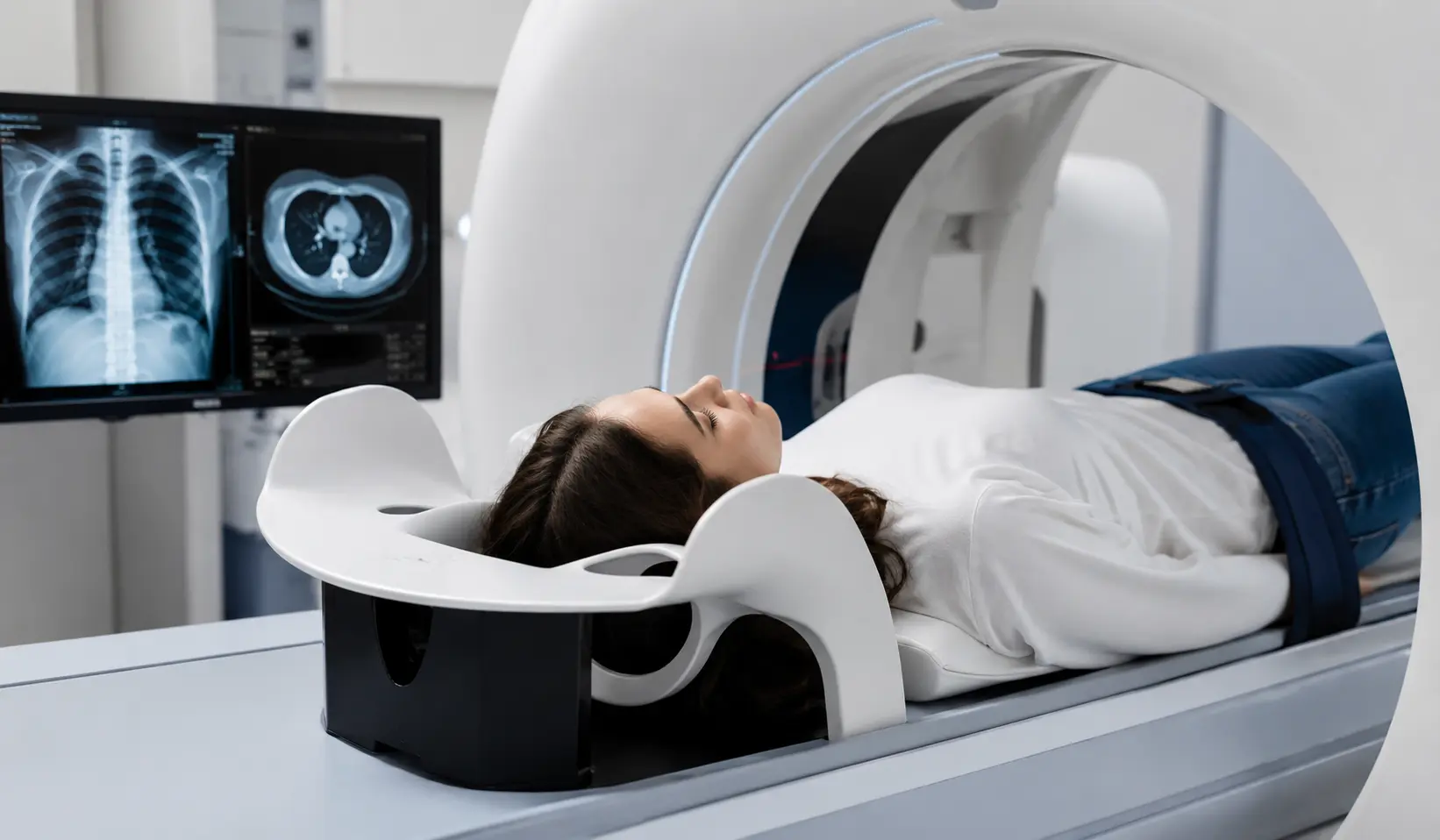
During a Chest CT Scan, the patient lies on a narrow table that slowly moves through a large, donut-shaped scanner. The machine takes multiple images from different angles. The patient may be asked to stay still and hold their breath for a few seconds so the images come out clear.
The scan itself is usually fast and painless. Some people may hear soft buzzing or clicking sounds from the machine. If contrast dye is given through a vein, it may cause a warm feeling, a metallic taste, or mild discomfort for a short time. These feelings usually pass quickly.
After The Chest CT Scan
After the scan, most people can return to normal activities right away. If contrast dye was used, drinking water may help flush it from the body. The medical team may give specific instructions depending on the patient’s health condition and the reason for the scan.
The images are reviewed by a radiologist, who is a doctor trained in reading medical scans. The radiologist sends a report to the referring doctor. The doctor then explains the results, what they mean, and whether any follow-up tests or treatments are needed.
Benefits Of A Chest CT Scan
One major benefit of a Chest CT Scan is the level of detail it provides. It can show small lung changes, blood vessel problems, infections, injuries, or abnormal growths more clearly than a regular X-ray. This helps doctors detect problems early and plan the right treatment.
Another benefit is speed. The scan is usually completed within a short time, which can be helpful in urgent situations. It can also reduce the need for more invasive testing in some cases because it gives doctors a clearer picture of what is happening inside the chest.
Safety And Possible Risks
A Chest CT Scan uses radiation to create images, so doctors only recommend it when the benefits are greater than the risks. The amount of radiation is carefully controlled, and modern CT scanners are designed to use the lowest reasonable dose while still producing clear images.
If contrast dye is used, there is a small chance of side effects such as itching, rash, nausea, or allergic reaction. Serious reactions are uncommon, but patients should always share their medical history before the test. People with kidney disease may need extra care before receiving contrast dye.
Understanding The Results
Chest CT Scan results may show normal findings or signs of a medical condition. The report may mention lung nodules, infection, inflammation, fluid, scarring, swollen lymph nodes, or other changes. Not every finding is serious, but it should always be reviewed with a doctor.
Sometimes, the scan may lead to more tests or follow-up imaging. This does not always mean something dangerous was found. It may simply mean the doctor wants to watch an area closely or confirm the finding with another test. Clear communication with the doctor is important after receiving results.
Final Thoughts
A Chest CT Scan is a helpful medical test that gives detailed images of the chest. It can support the diagnosis of lung conditions, chest injuries, infections, and other health concerns. The test is usually quick, painless, and simple for most people.
Anyone scheduled for a Chest CT Scan should follow the instructions given by their healthcare provider. Asking questions before the test can help reduce worry and make the experience easier. The results should always be discussed with a doctor who understands the patient’s full health history.
FAQs About Chest CT Scan
No, a Chest CT Scan is not painful. You simply lie on a table while the scanner takes images of your chest area.
The actual scan usually takes only a few minutes. The full appointment may take longer because of preparation and checking details.
You may be allowed to eat normally if no contrast dye is used. If contrast is needed, your doctor may ask you to fast.
No, contrast dye is not always needed. Your doctor decides based on what they need to see in the chest images.
Results are usually reviewed by a radiologist first. Your doctor will explain the findings once the report is available.