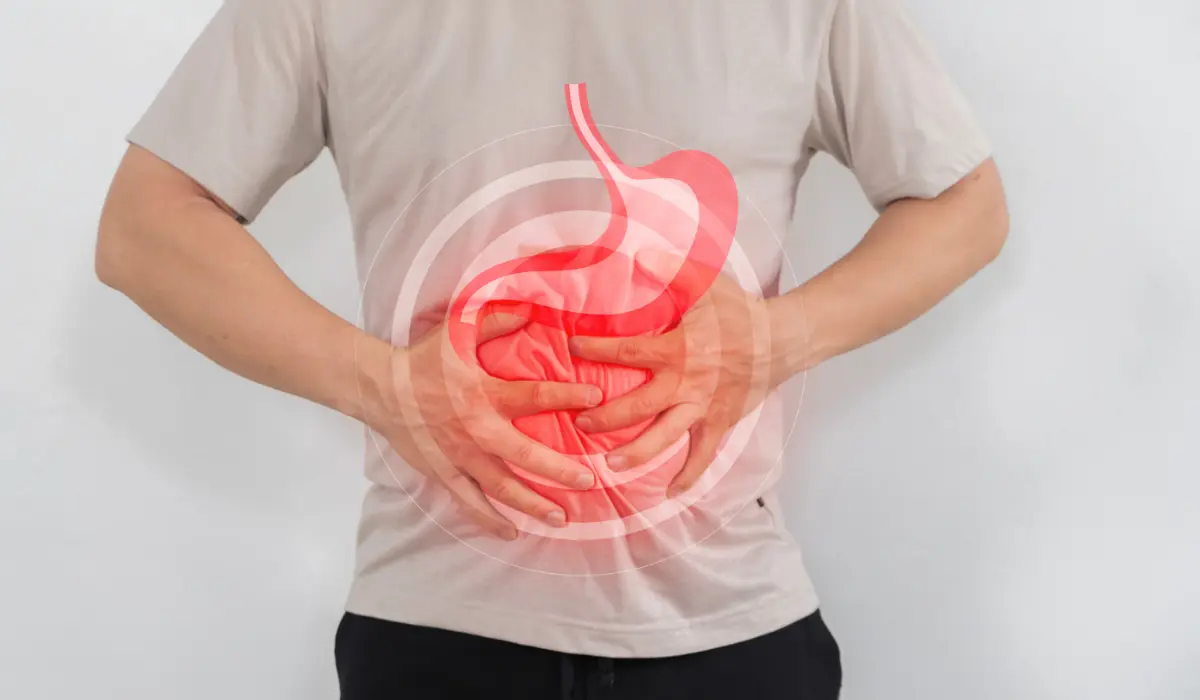
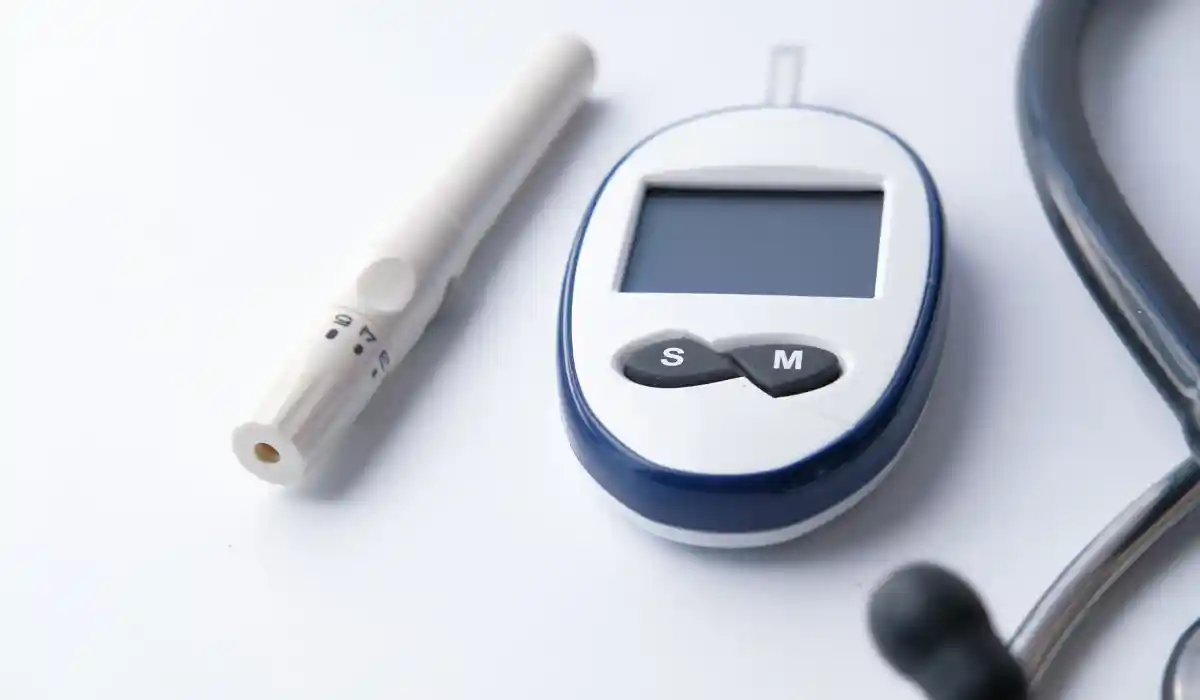
Low blood sugar symptoms often appear quickly and may include shaking, sweating, hunger, dizziness, a fast heartbeat, headache, anxiety, weakness, blurred vision, and confusion. Severe hypoglycemia can cause difficulty walking, seizures, unconsciousness, or an inability to treat yourself.
For many people with diabetes, blood glucose below 70 mg/dL (3.9 mmol/L) is considered low and requires prompt treatment. A reading below approximately 54–55 mg/dL (3.0 mmol/L) is severely low and may require help from another person.
Low Blood Sugar Symptoms
Low blood sugar, also called hypoglycemia, occurs when glucose falls below a healthy level. Symptoms vary between people and may change over time.
| Glucose reading | Meaning | What to do |
| Below 70 mg/dL (3.9 mmol/L) | Low blood sugar for most people with diabetes | Take 15 grams of fast-acting carbohydrates and recheck after 15 minutes |
| 54–69 mg/dL (3.0–3.8 mmol/L) | Clinically important low | Treat immediately and continue monitoring |
| Below 54 mg/dL (3.0 mmol/L) | Severely low level | Immediate treatment is needed; assistance may be required |
| Any level with unconsciousness, seizure, or inability to swallow | Severe hypoglycemic emergency | Use glucagon if available and call emergency services |
Personal targets can differ. Follow the emergency instructions provided by your diabetes care team.
What Is Low Blood Sugar?
Hypoglycemia means the body does not have enough available glucose to support normal function. Glucose is particularly important to the brain, which explains why a severe low can affect thinking, coordination, speech, and consciousness.
For most people with diabetes, a reading below 70 mg/dL is considered low. In people without diabetes, hypoglycemia is generally assessed differently and is often associated with a glucose reading below 55 mg/dL plus compatible symptoms.
A home glucose reading can identify a low, but it cannot explain why it happened. Repeated hypoglycemia without diabetes medication should be evaluated by a healthcare provider.
Common Low Blood Sugar Symptoms
Early hypoglycemia symptoms are partly caused by adrenaline, the body’s “fight-or-flight” hormone. This response warns that glucose is falling and encourages the person to eat.
Common warning signs include shaking, sweating, chills, hunger, anxiety, irritability, nausea, dizziness, headache, weakness, pale skin, and a fast or pounding heartbeat. Tingling around the lips, tongue, or cheeks may also occur.
As glucose falls further, the brain may not function normally. This can cause blurred vision, poor concentration, clumsiness, unclear speech, unusual behavior, confusion, sleepiness, or difficulty walking.
Mild, Moderate, and Severe Symptoms
Early Warning Signs
Mild symptoms often include hunger, trembling, sweating, nervousness, and a rapid heartbeat. The person is usually awake, aware of the problem, and able to treat it independently.
These signs should not be ignored. Glucose can continue falling, particularly when too much insulin or a long-acting diabetes medicine is involved.
Symptoms Affecting the Brain
When the brain receives insufficient glucose, symptoms may include confusion, blurred vision, slurred speech, poor coordination, irritability, and unusual behavior.
These signs may be mistaken for intoxication, anxiety, a stroke, or dementia. Checking glucose can help clarify the cause, but emergency symptoms should never be dismissed while waiting for a reading.
Severe Hypoglycemia Symptoms
Severe hypoglycemia means the person needs help from someone else. It may cause a seizure, loss of consciousness, inability to swallow, or an inability to follow instructions.
Although glucose below 54–55 mg/dL is severely low, the emergency is defined partly by the person’s condition. Someone who is unconscious or cannot safely treat themselves needs immediate assistance regardless of the displayed number.
Nighttime Low Blood Sugar Symptoms
Blood glucose can fall during sleep without waking the person. Possible signs include nightmares, crying out, restless sleep, heavy sweating, damp clothing or sheets, and waking with a headache.
Someone may also feel unusually tired, irritable, confused, or “foggy” the following morning. A high morning glucose reading does not always rule out an overnight low.
Evening exercise, alcohol, insufficient food, and excess insulin may increase the risk of nighttime hypoglycemia. A continuous glucose monitor can provide alerts when glucose falls during sleep.
Low Blood Sugar Symptoms Without Diabetes
Hypoglycemia is less common in people who do not use insulin or glucose-lowering medication. Possible causes include prolonged fasting, heavy alcohol use without food, severe liver or kidney disease, hormone deficiencies, critical illness, previous stomach surgery, or rarely an insulin-producing pancreatic tumour.
Some people experience symptoms after eating, sometimes called reactive hypoglycemia. However, shakiness or tiredness after a meal does not confirm low glucose.
A healthcare provider may look for symptoms occurring alongside a documented low glucose level and improvement after glucose rises. This pattern helps distinguish true hypoglycemia from anxiety, dehydration, medication effects, or other conditions.
What Causes Low Blood Sugar in Diabetes?
Insulin and certain medicines that stimulate insulin release can lower glucose too far. These include sulfonylureas and meglitinides.
Other common causes of low blood sugar include taking too much insulin, using insulin at the wrong time, delaying or skipping a meal, and eating fewer carbohydrates than expected. Intense or prolonged exercise, drinking alcohol without enough food, vomiting, or being unable to eat during illness may also lower glucose. Changes in kidney or liver function, insulin-pump problems, and dosing errors can further increase the risk.
Physical activity can continue lowering glucose for hours after exercise. Medication and food adjustments should be discussed with a healthcare professional rather than made through guesswork.
Why Symptoms Can Occur With a Normal Reading?
A person whose glucose has remained high for a long time may feel low-blood-sugar symptoms when it falls rapidly toward the normal range, even if the reading remains above 70 mg/dL.
This is sometimes called relative hypoglycemia. It does not necessarily mean the glucose target is unsafe, but the symptoms and treatment plan should be discussed with a diabetes care team.
An inaccurate meter or delayed continuous glucose monitor reading is another possibility. Wash and dry your hands before repeating an unexpected finger-stick result. Confirm a CGM alert with a meter when symptoms and the sensor reading do not match, following your device instructions.
How Low Blood Sugar Is Diagnosed?
If symptoms appear, check glucose with a blood glucose meter or CGM when possible. The symptom pattern alone cannot reliably confirm hypoglycemia because anxiety, dehydration, low blood pressure, heart rhythm problems, and several neurological conditions can feel similar.
For people without diabetes, medical assessment may include reviewing their symptoms, meals, fasting periods, exercise, medicines, supplements, and alcohol use. A healthcare provider may also order laboratory glucose, insulin, C-peptide, kidney, liver, or hormone tests. In some cases, supervised fasting or mixed-meal testing may be recommended to identify the cause.
Do not attempt prolonged fasting at home to reproduce symptoms. Testing should be selected and supervised by a healthcare professional.
How to Treat Low Blood Sugar Immediately?
If glucose is below 70 mg/dL and the person is awake and able to swallow, use the 15-15 rule:
- Consume 15 grams of fast-acting carbohydrate.
- Wait 15 minutes.
- Check glucose again.
- Repeat if the reading remains below 70 mg/dL.
- Once glucose recovers, eat a balanced snack or meal when appropriate.
Suitable options include four ounces of fruit juice or regular soda, three to four glucose tablets according to the label, glucose gel, or one tablespoon of sugar, honey, or syrup.
Chocolate, baked goods, and high-fibre foods are less suitable for immediate treatment because fat and fibre can slow sugar absorption. Young children may require less than 15 grams, so caregivers should follow the child’s individual treatment plan.
When Glucose Cannot Be Checked?
If typical symptoms develop but testing is temporarily unavailable, the American Diabetes Association advises treating suspected hypoglycemia and checking glucose as soon as possible.
This advice is most relevant to people at risk because they use insulin or another medicine known to cause lows. Repeated unexplained symptoms should not be continually self-treated without medical evaluation.
What Caregivers Should Do During a Severe Low?
If someone is unconscious, having a seizure, or unable to swallow, do not give food, liquid, or glucose gel by mouth because they could choke.
Give prescription glucagon if it is available and you have been taught how to use it. Place the person on their side if possible, call emergency services, and remain with them.
Emergency medical assessment is recommended after glucagon. Once the person is awake and can swallow safely, follow their emergency plan regarding fast-acting glucose and a longer-lasting snack. Glucagon is available in injectable and nasal forms.
Hypoglycemia Unawareness
Hypoglycemia unawareness occurs when a person does not notice the usual warning signs as glucose falls. It is more common in people with frequent lows or a long history of diabetes.
The first visible sign may be confusion, poor coordination, a seizure, or unconsciousness. This makes driving, exercising alone, and sleeping especially risky.
More frequent monitoring and CGM alerts may help. A healthcare provider may temporarily adjust glucose targets or treatment to reduce repeated lows and help restore warning symptoms.
Who Has a Higher Risk?
The risk is higher among people who use insulin or certain insulin-stimulating medicines. Previous hypoglycemia, older age, kidney disease, cognitive impairment, irregular meals, and hypoglycemia unawareness may add further risk.
Children
Children may struggle to describe symptoms and may instead become tearful, irritable, pale, quiet, clumsy, or unusually sleepy. Parents, teachers, and caregivers should have a written treatment plan.
Pregnancy
Pregnancy can change insulin requirements, particularly during early pregnancy. Anyone experiencing recurrent lows while pregnant should contact their diabetes or maternity team promptly.
Older Adults
Symptoms in older adults may resemble dizziness, dementia, weakness, or a balance problem. Cognitive impairment and multiple medicines can make recognition and treatment more difficult.
Possible Complications
Untreated severe hypoglycemia can cause falls, injuries, motor vehicle accidents, seizures, loss of consciousness, coma, or death. Repeated lows may lead to hypoglycemia unawareness and greater fear of taking necessary diabetes medication.
A single successfully treated episode does not always require hospital care. However, recurrent episodes signal that insulin, medication, meals, exercise, alcohol use, or glucose targets may need professional review.
Difference Between Low and High Blood Sugar Levels
The difference between low and high blood sugar levels is the amount of glucose circulating in the bloodstream. Low blood sugar, or hypoglycemia, is generally below 70 mg/dL (3.9 mmol/L) and may cause shaking, sweating, hunger, dizziness, weakness, or confusion. High blood sugar, or hyperglycemia, may cause increased thirst, frequent urination, fatigue, blurred vision, and dry mouth.
During pregnancy, high blood sugar is more closely associated with gestational diabetes. Common daily gestational diabetes targets are 95 mg/dL or lower before meals, 140 mg/dL or lower one hour after eating, and 120 mg/dL or lower after two hours. People using insulin may also develop low blood sugar, so regular monitoring helps keep glucose within the recommended gestational diabetes range.
When to Seek Emergency Help?
Call emergency services immediately if the person:
- Is unconscious or cannot be awakened
- Is having a seizure
- Cannot swallow safely
- Is severely confused or behaving unusually
- Cannot treat themselves
- Does not improve after glucagon
- Has recurring symptoms despite treatment
- May have intentionally or accidentally taken too much medication
Do not allow someone who remains confused, weak, or visually impaired to drive. When stroke-like symptoms do not resolve promptly after glucose treatment, emergency assessment remains necessary.
How to Prevent Future Episodes?
Check glucose according to your care plan and learn your personal early warning signs. Keep glucose tablets or another measured source of fast-acting carbohydrate nearby.
Eat regularly, plan for exercise, and avoid drinking alcohol on an empty stomach. Check glucose more frequently during illness, travel, changes in activity, or medication adjustments.
People at risk of severe hypoglycemia should ask about prescription glucagon. Family members, colleagues, teachers, and caregivers should know where it is stored and how to use it.
Record the time of each low alongside meals, activity, alcohol, illness, and medication doses. Patterns often reveal why episodes happen. Do not change prescribed medicines without consulting your healthcare provider.
Regular monitoring helps keep glucose within the recommended gestational diabetes range. An A1C test shows average blood sugar over the previous two to three months, but it does not replace fasting and post-meal testing or the oral glucose tolerance test used to diagnose gestational diabetes.
Questions to Ask Your Healthcare Provider
- What glucose level is considered low for me?
- Could any of my medicines cause hypoglycemia?
- How should I adjust for exercise or missed meals?
- What should I do when I am sick and cannot eat?
- Should I use a continuous glucose monitor?
- Do I need prescription glucagon?
- How should my family treat a severe episode?
- Could I have hypoglycemia unawareness?
- Should nighttime lows change my treatment plan?
Conclusion
Low blood sugar symptoms commonly include shaking, sweating, hunger, dizziness, a fast heartbeat, weakness, blurred vision, and confusion. A glucose reading below 70 mg/dL generally requires prompt treatment, while severe symptoms require help from another person.
Use fast-acting carbohydrates for a treatable low and recheck after 15 minutes. Call emergency services for a seizure, unconsciousness, inability to swallow, or failure to recover after glucagon. Repeated episodes should always be reviewed with a healthcare provider.
FAQS
Early symptoms often include shaking, sweating, hunger, anxiety, dizziness, headache, and a fast heartbeat. Check glucose promptly because symptoms can progress quickly.
It may feel like sudden shakiness, weakness, intense hunger, sweating, nervousness, or lightheadedness. More serious lows can cause blurred vision, confusion, and poor coordination.
For most people with diabetes, glucose below 70 mg/dL is considered low. Individual thresholds differ, so follow the target and treatment instructions given by your healthcare team.
Yes. Nausea can occur alongside hunger, sweating, shaking, and dizziness. Because nausea has many causes, check glucose when possible before assuming hypoglycemia.
Yes. Warning signs include nightmares, crying out, heavy sweating, damp sheets, restless sleep, and morning confusion or headache. A CGM may help identify overnight episodes.
Yes. Both can cause trembling, sweating, dizziness, and a rapid heartbeat. A glucose check helps distinguish them, but persistent or severe symptoms need medical evaluation.
Yes, although it is less common. Medicines, alcohol, fasting, serious illness, hormone problems, previous stomach surgery, and rare pancreatic conditions may cause it.
Symptoms often improve after glucose returns to a healthy range, but recovery time varies. Recheck after 15 minutes and seek help if symptoms persist or worsen.
Use approximately 15 grams of fast-acting carbohydrate, such as glucose tablets, glucose gel, or four ounces of juice. Recheck glucose after 15 minutes.
They are an emergency when someone has a seizure, loses consciousness, cannot swallow, becomes severely confused, or requires another person to administer glucagon.