
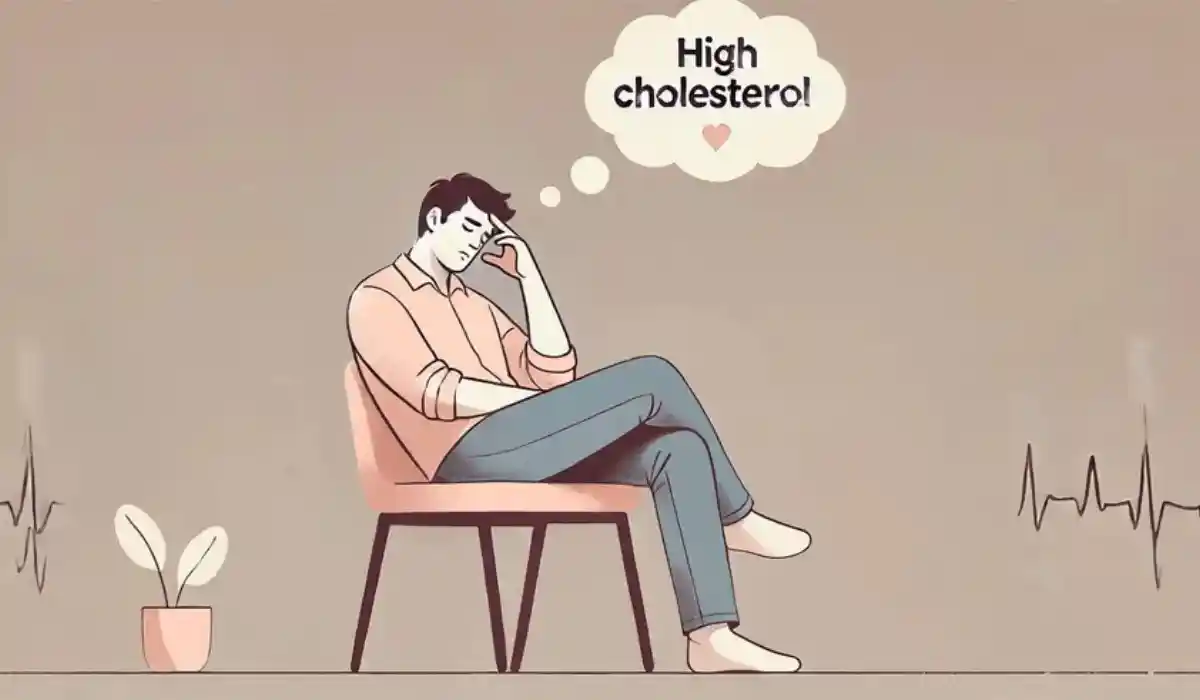
In most cases, high cholesterol itself does not directly make you tired. High cholesterol is often called a silent condition because many people do not feel clear symptoms until it starts affecting the heart, blood vessels, or circulation.
However, fatigue can sometimes appear when high cholesterol is linked with poor circulation, heart disease risk, obesity, diabetes, poor sleep, or an inactive lifestyle. This is why ongoing tiredness should not be ignored, especially if it comes with chest discomfort, shortness of breath, leg pain, dizziness, or weakness.
What Is High Cholesterol?
High cholesterol means there is too much cholesterol or unhealthy fat in the blood. Cholesterol is a waxy substance the body needs to build cells and make hormones. The problem starts when certain cholesterol levels become too high.
LDL cholesterol is often called bad cholesterol because it can contribute to plaque buildup inside the arteries. HDL cholesterol is often called good cholesterol because it helps remove extra cholesterol from the blood. Triglycerides are another type of blood fat that can also affect heart health.
When LDL cholesterol or triglycerides stay high for a long time, arteries may become narrow or stiff. This can reduce healthy blood flow and increase the risk of heart disease, stroke, and circulation problems.
Can High Cholesterol Cause Fatigue?
High cholesterol usually does not cause fatigue directly. Many people with high cholesterol feel completely normal. A blood test is often the only way to know whether cholesterol levels are high.
Fatigue may happen indirectly if high cholesterol contributes to plaque buildup in the arteries. When blood flow becomes restricted, the heart and muscles may not get enough oxygen during activity. This can make a person feel unusually tired, weak, or short of breath.
So, the better answer is this: high cholesterol alone may not cause tiredness, but long-term uncontrolled cholesterol can contribute to health problems that may cause fatigue.
Why High Cholesterol Is Often Silent?
High cholesterol is difficult to notice because it usually does not cause pain, fever, or visible symptoms in the early stages. A person may have high LDL cholesterol for years without knowing it.
This is one reason regular cholesterol testing is important. A lipid panel can measure total cholesterol, LDL cholesterol, HDL cholesterol, and triglycerides. These numbers help doctors understand heart disease risk.
Waiting for symptoms is not a safe approach. By the time symptoms such as chest pain, breathlessness, or severe fatigue appear, cholesterol-related artery problems may already be more serious.
How Cholesterol May Be Linked To Tiredness?
High cholesterol may be linked to tiredness when it affects blood flow. Plaque buildup can narrow arteries and make the heart work harder. During walking, climbing stairs, or exercise, the body may struggle to get enough oxygen-rich blood.
This may feel like low energy, heaviness, weakness, or unusual fatigue during normal activities. Some people may also notice shortness of breath, chest pressure, or reduced exercise tolerance.
Fatigue can also happen when high cholesterol exists with other health problems. Diabetes, high blood pressure, excess weight, sleep apnea, thyroid disease, depression, low iron, and certain medications can all cause tiredness. These conditions may appear together, so it is important to look at the full health picture.
High LDL Cholesterol And Poor Circulation
High LDL cholesterol can contribute to atherosclerosis, which means plaque buildup inside the arteries. Over time, this can make arteries narrower and reduce blood flow.
Poor circulation may cause symptoms in different parts of the body. If blood flow to the heart is reduced, a person may feel chest discomfort, shortness of breath, or fatigue during activity. If blood flow to the legs is reduced, walking may cause leg pain, heaviness, or cramping.
Fatigue from poor circulation often feels different from normal tiredness. It may come with physical effort and improve with rest. This type of fatigue should be discussed with a healthcare professional.
Other Reasons You May Feel Tired With High Cholesterol
High cholesterol and fatigue may have the same root causes. A diet high in saturated fat, low physical activity, excess body weight, smoking, diabetes, and insulin resistance can increase cholesterol risk and also reduce energy.
Poor sleep can also play a role. People with sleep apnea may feel tired during the day and may also have higher risks for high blood pressure, weight gain, and heart problems.
Some people may feel tired after starting cholesterol medicine, though this is not the most common reason for fatigue. If tiredness, muscle pain, weakness, or dark urine starts after taking a cholesterol medication, contact a doctor before stopping it.
Symptoms That Need Medical Attention
High cholesterol itself may not cause symptoms, but cholesterol-related complications can. Some warning signs should be taken seriously.
Get medical help if fatigue comes with chest pain, chest pressure, shortness of breath, fainting, sudden weakness, trouble speaking, severe dizziness, or pain spreading to the arm, jaw, neck, or back.
Also speak with a doctor if you have fatigue with leg pain while walking, cold feet, slow-healing wounds, or numbness. These may be signs of circulation problems.
How To Know If Cholesterol Is The Problem?
You cannot confirm high cholesterol based on fatigue alone. The only reliable way is to get a cholesterol blood test, also called a lipid panel.
This test usually checks total cholesterol, LDL cholesterol, HDL cholesterol, and triglycerides. Your doctor may also consider age, blood pressure, diabetes, smoking history, family history, weight, and other risk factors.
If you are tired often, your doctor may also check other causes. These may include thyroid levels, blood sugar, iron levels, vitamin B12, vitamin D, kidney function, liver function, sleep issues, and medication side effects.
How To Manage High Cholesterol And Improve Energy?
Managing high cholesterol starts with daily habits. Eating more soluble fiber from oats, beans, lentils, apples, citrus fruits, chia seeds, flaxseed, and vegetables may help support healthier LDL levels.
Replace saturated fats with healthier unsaturated fats when possible. Olive oil, avocado, nuts, seeds, and fatty fish are often better choices than butter, fatty meats, fried foods, and heavily processed snacks.
Physical activity can also help. Regular walking, strength training, and movement during the day may improve cholesterol numbers, blood flow, weight control, mood, and energy. Start slowly if you have been inactive or have heart risk factors.
Some people also need medication. Statins and other cholesterol-lowering treatments may be recommended when lifestyle changes are not enough or when heart disease risk is high.
Foods That Support Better Cholesterol
A cholesterol-friendly diet does not need to be complicated. Focus on whole foods most of the time and reduce foods that raise LDL cholesterol.
Good choices include oats, barley, beans, lentils, vegetables, fruits, nuts, seeds, olive oil, fish, low-fat yogurt, and whole grains. These foods can support heart health and may also help with steady energy.
Try to limit processed meats, fried foods, pastries, sugary drinks, butter, full-fat dairy, and foods high in trans fats. These foods can make cholesterol management harder when eaten often.
When To Talk To A Doctor?
Talk to a doctor if you have ongoing fatigue that does not improve with rest, sleep, hydration, or basic lifestyle changes. Fatigue can have many causes, and some need medical treatment.
You should also ask for a cholesterol test if you have a family history of high cholesterol, heart disease, diabetes, high blood pressure, smoking, excess body weight, or a sedentary lifestyle.
Do not wait for symptoms before checking cholesterol. High cholesterol is easier to manage when it is found early.
Conclusion
Usually, high cholesterol does not directly cause tiredness. Many people with high cholesterol have no symptoms at all.
However, high cholesterol can increase the risk of artery plaque buildup, poor circulation, heart disease, and other problems that may lead to fatigue over time. Fatigue may also come from lifestyle factors or health conditions that commonly occur with high cholesterol.
If you feel unusually tired and are worried about cholesterol, a lipid panel is the best first step. Managing LDL cholesterol, HDL cholesterol, triglycerides, diet, activity, sleep, and overall heart health can help protect long-term wellness.
FAQs
High cholesterol usually does not directly make you tired. Fatigue may happen if cholesterol contributes to poor circulation or heart-related problems.
High cholesterol often has no warning signs. Some people only discover it through a blood test called a lipid panel.
High LDL cholesterol may contribute to artery plaque buildup over time. If blood flow becomes poor, weakness or fatigue during activity may occur.
Fatigue may be heart-related if it comes with chest pressure, shortness of breath, dizziness, sweating, or tiredness during mild activity.
Lowering cholesterol may support better heart and circulation health. Energy may improve if fatigue is linked to poor lifestyle habits or circulation problems.
Choose oats, beans, lentils, fruits, vegetables, nuts, seeds, fish, and olive oil. Limit fried foods, processed meats, butter, and sugary drinks.
References
- Mayo Clinic — High Cholesterol: Symptoms and Causes
https://www.mayoclinic.org/diseases-conditions/high-blood-cholesterol/symptoms-causes/syc-20350800 - Cleveland Clinic — Hyperlipidemia: Symptoms and Treatment
https://my.clevelandclinic.org/health/diseases/21656-hyperlipidemia

Can high cholesterol, diabetes, and off-and-on high blood pressure cause neuropathy?