
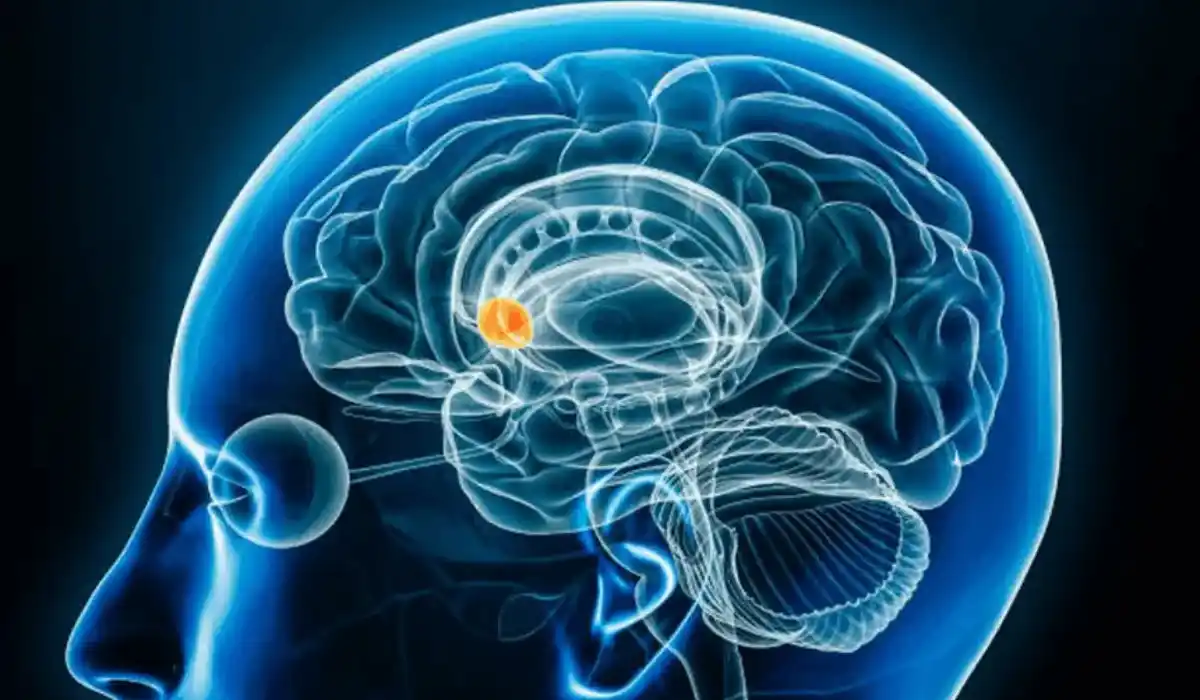
Cranial nerves are 12 pairs of nerves that connect the brain to the head, face, neck, and parts of the upper body. They help you smell, see, hear, taste, blink, move your eyes, make facial expressions, chew, swallow, speak, and move your tongue.
These nerves are important because they control many daily functions. When one of the cranial nerves is damaged or not working properly, symptoms may appear in the eyes, face, mouth, throat, ears, neck, or shoulders.
This guide explains the 12 cranial nerves, their functions, possible symptoms, causes of nerve problems, testing, MRI use, and when to see a doctor.
What Are Cranial Nerves?
Cranial nerves are nerves that come directly from the brain or brainstem. Most of them control functions in the head and neck, but some also affect organs in the chest and abdomen.
There are 12 pairs of cranial nerves. Each nerve has a Roman numeral from I to XII. These numbers show their order from the front of the brain to the back.
Some cranial nerves are sensory nerves. They help with smell, vision, hearing, taste, and balance. Others are motor nerves, which control movement. Some are mixed nerves, meaning they carry both sensory and motor signals.
Why Are Cranial Nerves Important?
Cranial nerves help the brain communicate with important body parts. They allow you to respond to sights, sounds, smells, taste, touch, and movement.
They also help with basic actions such as blinking, chewing, swallowing, speaking, smiling, moving the eyes, and turning the head. These actions may feel simple, but they depend on healthy nerve signals.
Doctors also use cranial nerve function to understand the nervous system. If one nerve is weak or not working normally, it may help locate a problem in the brain, brainstem, skull base, face, or neck.
List Of The 12 Cranial Nerves
The 12 cranial nerves each have a name, number, and main function. The table below gives a simple overview.
| Number | Cranial Nerve | Main Function |
| I | Olfactory nerve | Smell |
| II | Optic nerve | Vision |
| III | Oculomotor nerve | Eye movement and pupil control |
| IV | Trochlear nerve | Eye movement |
| V | Trigeminal nerve | Facial sensation and chewing |
| VI | Abducens nerve | Side-to-side eye movement |
| VII | Facial nerve | Facial expression and taste |
| VIII | Vestibulocochlear nerve | Hearing and balance |
| IX | Glossopharyngeal nerve | Taste, swallowing, and throat sensation |
| X | Vagus nerve | Voice, swallowing, heart, lungs, and digestion |
| XI | Accessory nerve | Shoulder and neck movement |
| XII | Hypoglossal nerve | Tongue movement |
Cranial Nerve I: Olfactory Nerve
The olfactory nerve controls the sense of smell. It sends smell signals from the nose to the brain.
A problem with this nerve may cause a reduced sense of smell or complete smell loss. This may happen after infection, head injury, sinus disease, aging, or some neurological conditions.
Loss of smell can also affect taste. Food may seem bland because smell plays a major role in flavor.
Cranial Nerve II: Optic Nerve
The optic nerve carries visual signals from the eye to the brain. It helps you see light, color, shape, and movement.
Damage to the optic nerve may cause blurred vision, vision loss, blind spots, or changes in color vision. Doctors may check this nerve with eye charts, visual field tests, pupil response, and eye exams.
Optic nerve problems may be linked to glaucoma, inflammation, tumors, injury, stroke, or multiple sclerosis.
Cranial Nerve III: Oculomotor Nerve
The oculomotor nerve controls several eye muscles. It helps move the eye upward, downward, and inward.
This nerve also helps lift the eyelid and control pupil size. If it is affected, symptoms may include drooping eyelid, double vision, abnormal eye position, or an enlarged pupil.
Sudden oculomotor nerve symptoms should be checked urgently, especially if they happen with severe headache, weakness, or vision changes.
Cranial Nerve IV: Trochlear Nerve
The trochlear nerve controls one eye muscle called the superior oblique muscle. This muscle helps move the eye downward and inward.
A problem with this nerve may cause double vision, especially when looking down. Some people tilt their head to reduce the double image.
Trochlear nerve problems can happen after head injury, diabetes-related nerve damage, inflammation, or pressure near the brainstem.
Cranial Nerve V: Trigeminal Nerve
The trigeminal nerve is the main nerve for facial sensation. It helps you feel touch, pain, pressure, and temperature in the face.
It also controls muscles used for chewing. Problems with this nerve may cause facial numbness, jaw weakness, chewing difficulty, or severe facial pain.
Trigeminal neuralgia is one condition linked to this nerve. It can cause sudden, sharp, electric-like pain on one side of the face.
Cranial Nerve VI: Abducens Nerve
The abducens nerve controls a muscle that moves the eye outward. This helps the eye move away from the nose.
If this nerve is weak, the eye may not move outward properly. This can cause double vision, especially when looking to the side.
Abducens nerve problems may be linked to diabetes, head injury, infection, stroke, high pressure in the skull, or other neurological conditions.
Cranial Nerve VII: Facial Nerve
The facial nerve controls many muscles used for facial expression. It helps you smile, blink, close your eyes, raise your eyebrows, and move parts of your face.
It also helps with taste from part of the tongue, tear production, and saliva production. Problems with this nerve may cause facial drooping, dry eye, taste changes, or trouble closing one eye.
Bell’s palsy is one possible cause of sudden facial weakness. However, stroke can also cause facial drooping, so sudden symptoms need urgent attention.
Cranial Nerve VIII: Vestibulocochlear Nerve
The vestibulocochlear nerve helps with hearing and balance. It has two main parts: one for hearing and one for balance.
Problems with this nerve may cause hearing loss, ringing in the ears, dizziness, vertigo, or balance trouble.
Sudden hearing loss, severe dizziness, or balance problems should be checked by a healthcare provider.
Cranial Nerve IX: Glossopharyngeal Nerve
The glossopharyngeal nerve helps with taste, swallowing, throat sensation, and saliva production. It also helps monitor certain blood pressure and oxygen-related signals.
Problems with this nerve may cause swallowing trouble, throat pain, reduced gag reflex, or taste changes near the back of the tongue.
Ongoing swallowing problems should be checked because they may increase the risk of choking or aspiration.
Cranial Nerve X: Vagus Nerve
The vagus nerve has many important roles. It supports swallowing, voice, throat movement, heart rate, breathing, and digestion.
It carries signals between the brain and organs in the chest and abdomen. This is why the vagus nerve is often discussed in relation to heart rate, digestion, fainting, and stress responses.
Problems with this nerve may cause hoarseness, swallowing difficulty, voice changes, abnormal gag reflex, or digestive symptoms.
Cranial Nerve XI: Accessory Nerve
The accessory nerve controls muscles in the neck and shoulders. It helps you turn your head and shrug your shoulders.
Damage to this nerve may cause shoulder weakness, neck weakness, trouble shrugging, or shoulder drooping.
Accessory nerve problems may happen after trauma, surgery, tumors, or nerve compression.
Cranial Nerve XII: Hypoglossal Nerve
The hypoglossal nerve controls tongue movement. It helps with speaking, chewing, and swallowing.
If this nerve is affected, the tongue may feel weak or move to one side when extended. Speech may become unclear, and swallowing may become harder.
Sudden tongue weakness should be evaluated, especially if it happens with facial drooping, arm weakness, or trouble speaking.
Sensory, Motor, And Mixed Cranial Nerves
Cranial nerves can be grouped based on their main job. Some are sensory, some are motor, and some are mixed.
Sensory Cranial Nerves
Sensory cranial nerves help with smell, vision, hearing, and balance. These include the olfactory nerve, optic nerve, and vestibulocochlear nerve.
Motor Cranial Nerves
Motor cranial nerves help move muscles. These nerves help control eye movement, tongue movement, shoulder movement, and other actions.
Mixed Cranial Nerves
Mixed cranial nerves carry both sensory and motor signals. They may help with facial sensation, chewing, taste, swallowing, and voice control.
Common Symptoms Of Cranial Nerve Problems
Cranial nerve problems can cause different symptoms depending on which nerve is affected.
Common symptoms may include:
- Loss of smell
- Blurred vision
- Double vision
- Drooping eyelid
- Facial numbness
- Facial weakness
- Jaw weakness
- Hearing loss
- Ringing in the ears
- Dizziness or vertigo
- Balance problems
- Trouble swallowing
- Hoarse voice
- Shoulder weakness
- Tongue weakness
- Speech changes
Sudden symptoms need careful attention. Facial drooping, weakness on one side, trouble speaking, sudden vision loss, or severe headache can be signs of an emergency.
What Causes Cranial Nerve Damage?
Many conditions can affect cranial nerves. The cause depends on which nerve is involved and where the problem is located.
Possible causes include:
- Head injury
- Stroke
- Tumors
- Infections
- Inflammation
- Diabetes
- Multiple sclerosis
- Aneurysm
- Nerve compression
- Skull base problems
- Autoimmune disease
- Surgery-related injury
Some nerve problems improve with time and treatment. Others need urgent medical care.
How Doctors Test Cranial Nerves?
Doctors test cranial nerves during a neurological exam. The exam checks how well the nerves are working.
The doctor may ask you to smell something, read letters, follow a finger with your eyes, smile, raise your eyebrows, feel light touch on your face, shrug your shoulders, or stick out your tongue.
If a problem is found, the doctor may order MRI, CT scan, blood tests, hearing tests, eye exams, nerve tests, or other evaluations.
Cranial Nerves And MRI
MRI may help doctors view the brain, brainstem, skull base, and some cranial nerve pathways. It may be used when symptoms suggest nerve compression, tumor, inflammation, stroke, or multiple sclerosis.
A doctor may recommend imaging based on symptoms, exam findings, and medical history. Not every symptom requires MRI, but sudden or unexplained problems should be checked.
Special MRI techniques may help doctors see small nerve pathways more clearly.
When To See A Doctor?
See a healthcare provider if you have new, repeated, or unexplained symptoms linked to cranial nerve function.
Get urgent medical help if symptoms appear suddenly or include:
- Facial drooping
- Weakness on one side
- Trouble speaking
- Sudden vision loss
- Severe headache
- Confusion
- Trouble swallowing
- Trouble breathing
- Sudden hearing loss
- New double vision
- Loss of balance with weakness
These symptoms may be related to stroke, infection, bleeding, nerve compression, or another serious condition.
Treatment For Cranial Nerve Problems
Treatment depends on the cause. A doctor must first identify why the nerve is not working properly.
Infections may need antiviral or antibiotic medicine. Inflammation may need anti-inflammatory treatment. Tumors, aneurysms, or severe compression may need specialist care.
Some people may also need physical therapy, speech therapy, swallowing therapy, eye protection, hearing support, or surgery.
How To Support Nerve Health?
You cannot prevent every cranial nerve problem, but healthy habits may support the nervous system.
Helpful steps include:
- Control blood pressure
- Manage diabetes
- Avoid smoking
- Limit alcohol
- Wear a seat belt
- Use helmets when needed
- Protect hearing from loud noise
- Treat infections early
- Get regular eye exams
- Seek care for sudden symptoms
These habits support the brain, nerves, blood vessels, and muscles.
Conclusion
Cranial nerves are 12 pairs of nerves that help the brain control many important functions. They support smell, vision, hearing, balance, facial movement, swallowing, speech, and tongue movement.
Each nerve has a specific role. When one nerve is affected, symptoms may appear in the eyes, face, ears, mouth, throat, neck, or shoulders.
Some cranial nerve problems are mild, but sudden or serious symptoms need medical care. A neurological exam and imaging tests can help find the cause and guide treatment.
FAQs
Cranial nerves are 12 pairs of nerves that connect the brain to the head, face, neck, and parts of the upper body.
There are 12 pairs of cranial nerves. They are numbered from I to XII using Roman numerals.
They help with smell, vision, eye movement, facial sensation, chewing, facial expression, hearing, balance, swallowing, speech, and tongue movement.
The facial nerve, or cranial nerve VII, controls many facial expression muscles. It also helps with taste, tears, and saliva.
The optic nerve, or cranial nerve II, carries visual information from the eyes to the brain.
The vestibulocochlear nerve, or cranial nerve VIII, helps with hearing and balance.
Signs may include double vision, facial weakness, numbness, hearing loss, dizziness, swallowing trouble, hoarseness, or tongue weakness.
MRI can help doctors view the brain, brainstem, skull base, and some cranial nerve pathways when symptoms suggest a problem.
Some are mild, but sudden symptoms can be serious. Seek urgent care for facial drooping, weakness, vision loss, speech trouble, or severe headache.
Some cranial nerve problems improve with time or treatment. Recovery depends on the cause, severity, and how quickly care begins.
References
- Cleveland Clinic – Cranial Nerves
https://my.clevelandclinic.org/health/body/21998-cranial-nerves - NCBI Bookshelf – Neuroanatomy, Cranial Nerve
https://www.ncbi.nlm.nih.gov/books/NBK470353/