
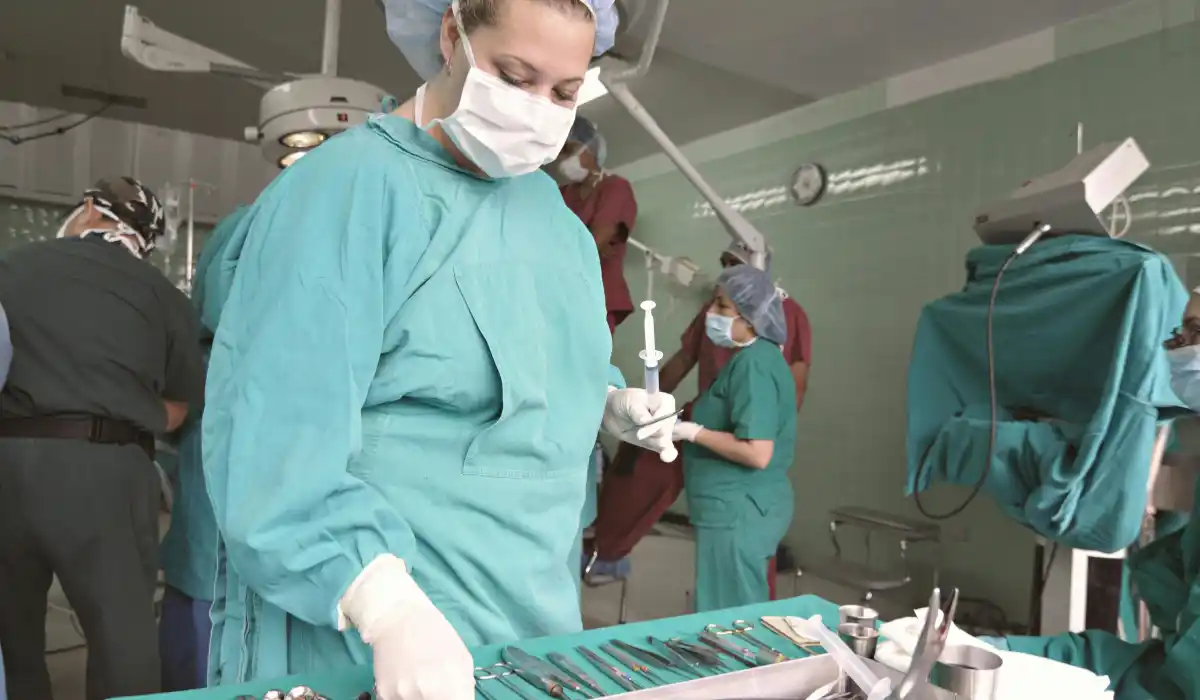
How long does an angiogram take? The procedure itself usually takes 30 minutes to 2 hours, but the full hospital or imaging visit may take 4 to 6 hours. This includes check-in, preparation, the test, and recovery monitoring.
The exact timing depends on the type of exam, the body area being checked, your health condition, and whether treatment is performed during the same visit. If doctors do angioplasty or place a stent, the appointment may take longer.
Most people go home the same day after a diagnostic test. Some patients may need overnight monitoring if the procedure is complex, treatment is done, or the care team wants to watch recovery more closely.
Procedure Time And Total Visit Time
The imaging procedure usually takes 30 minutes to 2 hours. Your full visit can take longer because you need time before and after the test.
Many people spend 4 to 6 hours at the hospital or imaging center. This includes registration, nursing checks, IV placement, consent forms, the procedure, and recovery.
If doctors only take images, the visit may be shorter. If they treat a blocked or narrowed blood vessel, you may need more time.
What Is An Angiogram?
An angiogram is an imaging test that helps doctors see blood vessels. It often uses X-rays and a special contrast dye to show blood flow through arteries or veins.
Doctors may recommend this test to look for narrowed, blocked, enlarged, or damaged blood vessels. It can help check the heart, brain, legs, kidneys, abdomen, or other areas.
Some angiograms use a thin tube called a catheter. Other types, such as CT angiography or MR angiography, use different imaging methods.
What To Expect From Start To Finish?
A standard catheter-based exam often takes 30 minutes to 2 hours. NHS states that angiography usually takes between 30 minutes and 2 hours, and many people can go home the same day.
The full visit takes longer than the procedure because there are several steps. You may need preparation before the test and monitoring afterward.
A simple diagnostic exam may be faster. A more complex case or treatment during the same visit can increase the total time.
Angiogram Timeline Table
| Stage | Estimated Time |
|---|---|
| Check-in and preparation | 30 to 90 minutes |
| Imaging procedure | 30 minutes to 2 hours |
| Recovery monitoring | 2 to 4 hours |
| Total hospital or imaging visit | About 4 to 6 hours |
| If angioplasty or stent is done | May take longer |
This table gives a general idea. Your own timing may be different based on your condition and the type of test planned.
Ask your healthcare team how long you should expect to stay. They can give you the most accurate estimate.
Why The Visit Can Take Several Hours?
The appointment includes more than the imaging part. The care team needs to prepare you safely before the test begins.
Before the procedure, they may check your blood pressure, heart rate, oxygen level, medical history, allergies, and medicines. They may also place an IV line and explain what will happen.
After the test, the team watches the catheter site for bleeding or swelling. They also check your vital signs and make sure you are stable before discharge.
Hospital Stay: Same-Day Discharge Or Overnight Monitoring
Many people go home the same day. This is common when the test is diagnostic and there are no complications.
Some people may stay overnight. This may happen if doctors perform treatment, find a serious blockage, use certain medications, or need to monitor you more closely.
Recovery Time After The Procedure
Recovery time depends on the access site, your health, and whether treatment was done. Many people rest for a few hours before going home.
If the catheter was placed in the groin, you may need to lie flat for some time to reduce bleeding risk. If the wrist was used, recovery may feel easier, but monitoring is still needed.
What Happens Before The Test?
Before the exam, your care team may ask about your symptoms, allergies, medicines, and medical history. They may also check kidney function because contrast dye leaves the body through the kidneys.
You may need to avoid food or drink for several hours before the appointment. Your doctor may also give special instructions if you take blood thinners, diabetes medicine, or kidney-related medicines.
Bring a list of all medicines and allergies. Also arrange for someone to drive you home if sedation is used.
What Happens During The Procedure?
During a catheter angiogram, the care team cleans and numbs the access area. The catheter may enter through a blood vessel in the wrist, arm, or groin.
The doctor guides the catheter to the blood vessel area that needs imaging. Then contrast dye is injected so the vessels show clearly on X-ray images.
You may feel warmth when the dye enters your body. You may also feel pressure at the catheter site, but sharp pain is not expected.
Is The Procedure Painful?
The test may feel uncomfortable, but it should not usually be painful. Local anesthetic helps numb the area where the catheter enters.
You may feel pressure, warmth from the dye, or mild soreness afterward. These feelings are common and often short-lived.
Tell the care team if you feel strong pain, chest discomfort, shortness of breath, itching, dizziness, or any unusual symptom.
What Can Make The Test Take Longer?
Several factors can affect timing. The procedure may take longer if the blood vessels are difficult to reach or if several areas need imaging.
Treatment during the same visit can also add time. This may include angioplasty, stent placement, or another vascular procedure.
Other factors include sedation needs, bleeding risk, emergency situations, kidney concerns, contrast dye reactions, and how long it takes to stop bleeding at the access site.
Diagnostic Test Vs Angioplasty: Timing Difference
A diagnostic angiogram is mainly used to look at blood vessels. It helps doctors find narrowing, blockage, or other blood flow problems.
Angioplasty is a treatment. During angioplasty, the doctor opens a narrowed or blocked blood vessel, often with a balloon and sometimes a stent.
Because angioplasty treats the problem, it usually takes longer than a diagnostic test. Recovery may also take longer if treatment is performed.
Coronary Angiogram Timing
A coronary angiogram checks the arteries that supply blood to the heart. Doctors often use it to evaluate chest pain, abnormal stress test results, or possible coronary artery disease.
The procedure often takes 30 minutes to 2 hours. More time may be needed if the doctor also performs angioplasty or places a stent.
CT Angiogram Timing
A CT angiogram is different from a catheter-based test. It uses a CT scanner and contrast dye to create detailed blood vessel images.
This type is usually quicker and does not require a catheter placed into an artery in the same way. Mayo Clinic notes that a CT coronary angiogram does not involve surgical cuts and does not require the same recovery time.
Even so, the appointment may still include check-in, IV placement, contrast injection, and preparation.
Peripheral Angiogram Timing
A peripheral angiogram checks blood vessels outside the heart. Doctors may use it to look at arteries in the legs, arms, kidneys, abdomen, or other areas.
The test may take 1 to 2 hours in many cases. Timing depends on the area being checked and whether treatment is needed.
If the doctor finds a narrowed leg artery and treats it during the same visit, the appointment may take longer than a simple diagnostic exam.
When Do You Get Results?
Some results may be discussed soon after the test. Your doctor may explain whether they found narrowing, blockage, or another blood vessel problem.
In other cases, the full report may take longer. A radiologist, cardiologist, or vascular specialist may review the images and send a report to your referring doctor.
Ask your care team when and how you will receive results. Also ask whom to contact if you do not hear back.
Can You Go Home The Same Day?
Many people go home the same day after a diagnostic angiogram. This depends on your health, the access site, the results, and whether treatment was done.
You usually need someone to drive you home, especially if sedation was used. Do not drive yourself unless your healthcare team says it is safe.
Some people need to stay overnight. This may happen after a complex procedure, angioplasty, stent placement, complications, or late-day scheduling.
What Should You Avoid After The Test?
Follow your discharge instructions carefully. Your care team may ask you to avoid heavy lifting, strenuous exercise, and driving for a short time.
Instructions may vary based on whether the catheter entered through the wrist or groin. Always follow your own care team’s advice.
Warning Signs After The Procedure
Call your healthcare provider if you notice bleeding, increasing swelling, severe pain, fever, chills, redness, drainage, or warmth at the catheter site.
Seek urgent medical care for chest pain, trouble breathing, fainting, sudden weakness, numbness, slurred speech, or severe allergic symptoms.
Mild bruising can be normal. Worsening symptoms should not be ignored.
How To Prepare For Your Appointment?
Ask your healthcare team how long you should expect to stay. This helps you plan transportation, work, meals, and aftercare.
Wear comfortable clothing and leave valuables at home. Bring your insurance information, medication list, allergy list, and any previous imaging records if requested.
Follow instructions about fasting and medications. If you take blood thinners or diabetes medicine, ask your doctor exactly what to do before the test.
Conclusion
So, how long does an angiogram take? The procedure usually takes 30 minutes to 2 hours, but the full appointment may take 4 to 6 hours with preparation and recovery.
A CT angiogram may be faster, while an angiogram with angioplasty or stent placement may take longer. Recovery time also depends on the access site and your overall health.
Ask your healthcare team what to expect for your specific test. They can explain your timeline, recovery plan, and when you will receive results.
FAQs
The procedure usually takes 30 minutes to 2 hours. The full visit may take 4 to 6 hours with preparation and recovery.
Many people go home the same day. Some may stay overnight if treatment is done or closer monitoring is needed.
Many people rest for a few hours after the test. Tenderness may last up to a week, and bruising may last longer.
Yes, many patients go home the same day. You usually need someone to drive you home after sedation.
Yes, a CT angiogram is usually quicker than a catheter-based angiogram and does not require the same recovery time.
A heart angiogram often takes 30 minutes to 2 hours. It may take longer if angioplasty or stent placement is done.
It may cause pressure or mild discomfort, but local anesthetic helps numb the access area. Strong pain should be reported.
Treatment, difficult blood vessels, several imaging areas, sedation needs, bleeding risk, or complications can increase the appointment time.
Some results may be discussed soon after the procedure. The full report may take longer depending on the imaging center.
Avoid heavy lifting, strenuous exercise, and driving until your healthcare team says it is safe. Follow your discharge instructions.
References
- Mayo Clinic – Coronary Angiogram
https://www.mayoclinic.org/tests-procedures/coronary-angiogram/about/pac-20384904 - Cleveland Clinic – Coronary Angiogram
https://my.clevelandclinic.org/health/diagnostics/22164-coronary-angiogram