
When does implantation bleeding occur? It usually happens about 10 to 14 days after conception or around 10 to 14 days after ovulation. This is often close to the date when a period is expected.
This early spotting is usually light and short. It may look pink, brown, or rusty. It should not feel like a heavy period or come with severe pain.
Many people do not notice any spotting at all in early pregnancy. If bleeding feels heavy, painful, or unusual, it is best to contact a healthcare provider.
What Is Implantation Bleeding?
Implantation bleeding is light spotting that may happen in very early pregnancy. It can occur when a fertilized egg attaches to the lining of the uterus.
This attachment is part of the early pregnancy process. The bleeding is usually much lighter than a menstrual period.
Some people only see a few spots on underwear or light blood when wiping. Others may not have this symptom at all.
When Does Implantation Bleeding Occur After Ovulation?
When does implantation bleeding occur after ovulation? For many people, it may happen around 10 to 14 days after ovulation.
This timing falls near the end of the two-week wait. That is the time between ovulation and the expected period.
Because the timing is so close to a regular period, it can be hard to tell what the spotting means at first.
Implantation Bleeding Timing By Cycle Day
If you have a 28-day cycle, ovulation often happens around day 14. In that case, implantation-related spotting may happen around cycle days 20 to 28.
However, cycle length can vary. Some people ovulate earlier, while others ovulate later.
Here is a simple guide:
| Cycle Event | Common Timing In A 28-Day Cycle |
|---|---|
| Period starts | Day 1 |
| Ovulation | Around day 14 |
| Possible spotting window | Around days 20 to 28 |
| Expected period | Around day 28 |
| Best time to test | After missed period |
This table is only a general example. Tracking ovulation gives a better idea of timing.
Can Implantation Bleeding Occur Before A Missed Period?
Yes, implantation bleeding can occur before a missed period. In many cases, it may appear a few days before the expected period date.
This is why many people mistake it for the start of menstruation. The main difference is usually the flow.
Early pregnancy spotting often stays light. A period usually becomes heavier and lasts longer.
What Does Early Pregnancy Spotting Look Like?
Early pregnancy spotting may look like a few drops of blood. You may notice it on underwear or when wiping.
The color may be light pink, brown, or rusty. Brown spotting can happen when blood takes longer to leave the body.
Heavy bright red bleeding is less typical. Bleeding that soaks a pad or includes clots should be checked by a healthcare provider.
Implantation Bleeding Vs Period: Timing And Flow
The timing can feel similar, but the flow is usually different.
| Feature | Early Pregnancy Spotting | Period |
|---|---|---|
| Timing | Around 10 to 14 days after conception or ovulation | Around expected cycle date |
| Flow | Very light | Light to heavy |
| Color | Pink, brown, or rusty | Red, dark red, or brown |
| Duration | Few hours to about 2 days | Usually 3 to 7 days |
| Cramps | Mild or none | Mild to strong |
| Clots | Usually none | Possible |
| Flow pattern | Usually stays light | Often becomes heavier |
This comparison can help, but it cannot confirm pregnancy. A pregnancy test after a missed period gives a clearer answer.
How Long Does Implantation Spotting Last?
This type of spotting usually lasts a short time. It may last a few hours, one day, or up to about two days.
A period usually lasts longer and has a stronger flow. If bleeding keeps going or becomes heavier, another cause may be involved.
Track the color, flow, pain level, and timing. These details can help your healthcare provider if you need advice.
Can You Feel Implantation Happening?
Most people do not feel implantation itself. Some may notice mild cramps, pressure, or a pulling feeling.
These symptoms can also happen before a period. That is why symptoms alone cannot confirm pregnancy.
Strong pain is not typical. Get medical help if pain is sharp, severe, one-sided, or comes with heavy bleeding.
When To Take A Pregnancy Test After Spotting?
A pregnancy test may not show a positive result during the spotting. Your body may still need time to make enough hCG, the pregnancy hormone.
For the most accurate result, test after your missed period. Testing too early can give a false negative.
If the test is negative but your period does not come, test again in a few days. You can also ask your healthcare provider about a blood test.
Why The Timing Can Be Confusing?
The timing can be confusing because early pregnancy symptoms and premenstrual symptoms can overlap.
Both can cause cramps, breast tenderness, bloating, mood changes, tiredness, and light spotting. This makes it hard to know the cause right away.
Cycle tracking may help. Note your ovulation date, spotting color, flow, cramps, and expected period date.
Other Causes Of Spotting Before A Period
Light bleeding before a period does not always mean pregnancy. Many other things can cause spotting.
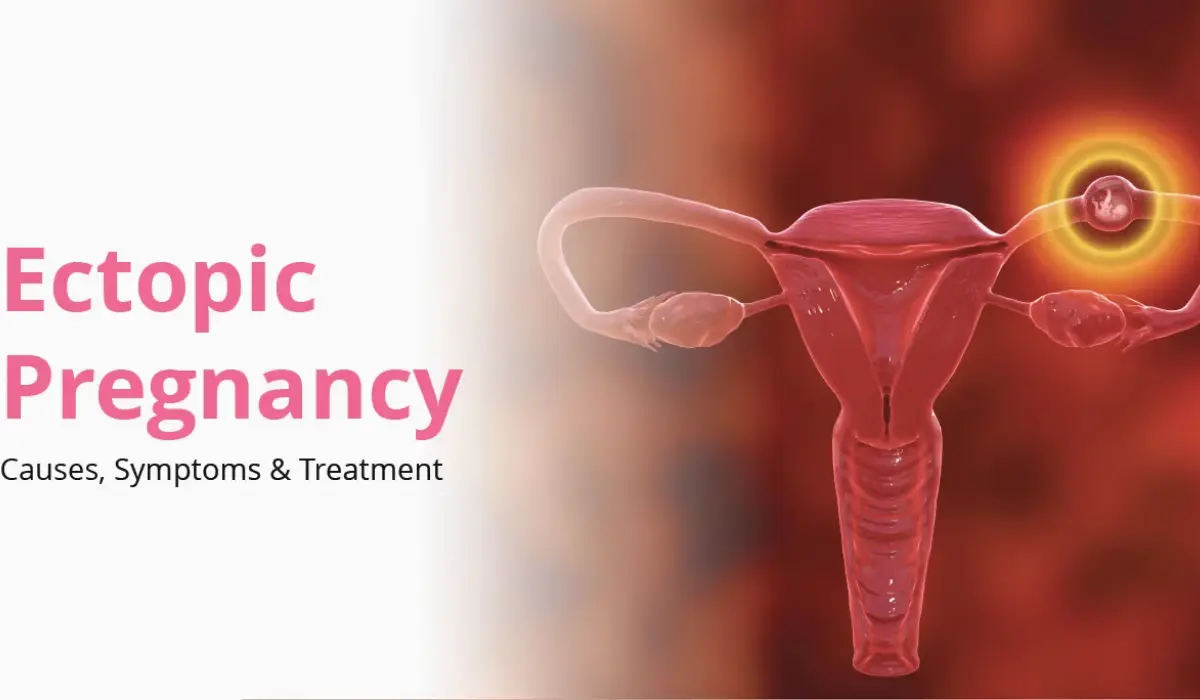
Possible causes include ovulation spotting, hormonal changes, cervical irritation, sex, birth control changes, infection, miscarriage, or ectopic pregnancy.
Because causes can vary, watch your symptoms closely. Medical advice is important if bleeding is heavy, painful, or unusual.
When Bleeding Needs Medical Care?
Call a healthcare provider if bleeding is heavy, painful, or worrying. You should also call if you already had a positive pregnancy test.
Get urgent help if bleeding comes with severe cramps, one-sided pelvic pain, shoulder pain, dizziness, fainting, fever, chills, or clots.
These symptoms do not always mean something serious. Still, they need proper medical attention.
Simple Ways To Track The Timing
Tracking can help you understand your cycle better. Write down when your period starts, when you think you ovulated, and when spotting appears.
Also note the color, flow, and how long the spotting lasts. These details can help you decide when to test.
If you are trying to conceive, ovulation predictor kits, cycle apps, and basal body temperature tracking may help you estimate your fertile window.
Conclusion
So, when does implantation bleeding occur? It most often happens about 10 to 14 days after conception or ovulation. This is usually close to the expected period date.
The spotting is usually light, short, and pink or brown. It should not be heavy, painful, or full of clots.
If your period is late, take a pregnancy test. If bleeding feels heavy, painful, or concerning, contact a healthcare provider.
FAQs
It usually occurs about 10 to 14 days after conception or ovulation, often close to the expected period date.
Yes. Light spotting may appear a few days before your expected period, which can make it hard to tell apart from menstruation.
Spotting linked with implantation often happens around 10 to 14 days after ovulation, not right after ovulation.
It is often light pink, brown, or rusty. Heavy bright red bleeding is less typical and may need medical advice.
It may last a few hours to about two days. Bleeding that lasts longer or becomes heavy should be checked.
Mild cramps can happen, but strong, sharp, or one-sided pain is not typical and should be checked.
It is better to wait until after your missed period. Testing too early can give a false negative.
Yes. Spotting before a period can happen for many reasons. If the flow gets heavier, it may be your period.
No. Heavy bleeding is not typical for implantation-related spotting. Contact a healthcare provider if bleeding is heavy or painful.
Call a doctor if bleeding is heavy, painful, lasts longer than expected, or happens after a positive pregnancy test.
References
- Mayo Clinic – Implantation Bleeding
https://www.mayoclinic.org/healthy-lifestyle/pregnancy-week-by-week/expert-answers/implantation-bleeding/faq-20058257 - Cleveland Clinic – Implantation Bleeding
https://my.clevelandclinic.org/health/symptoms/24536-implantation-bleeding