Understanding implantation bleeding vs miscarriage can feel confusing because both may involve bleeding in early pregnancy. Implantation bleeding is usually light spotting that happens around the time a fertilized egg attaches to the uterine lining. Miscarriage bleeding is often heavier and may come with stronger cramps, clots, or worsening pain.
Bleeding in early pregnancy does not always mean pregnancy loss. Still, heavy bleeding, severe pain, dizziness, or shoulder pain should be checked quickly.
What Is Implantation Bleeding?
Implantation bleeding is light spotting that may happen when a fertilized egg attaches to the lining of the uterus. It usually appears as a small amount of pink, light red, or brown blood.
This bleeding is often much lighter than a normal period. It may show only when wiping or as a few spots on underwear. It typically happens around 10 to 14 days after conception and may last a few hours to about two days.
What Is Miscarriage Bleeding?
Miscarriage bleeding happens when an early pregnancy is ending. It may begin as spotting, but it can become heavier, brighter red, and more period-like.
Miscarriage may also cause lower abdominal cramps, back pain, passing clots, or tissue-like material. Bleeding is one of the most common signs, but symptoms can vary from person to person.
Implantation Bleeding vs Miscarriage: Key Differences
The main difference is usually the amount of bleeding, timing, and pain level. Implantation bleeding is usually light and short. Miscarriage bleeding may become heavier and may come with stronger cramps or pain.
Color
Implantation bleeding is often light pink, rust-colored, or brown. Brown blood usually means older blood leaving the body slowly.
Miscarriage bleeding may start brown or pink, but it often becomes brighter red as bleeding increases. Heavy red bleeding with clots is more concerning than light spotting.
Flow
Implantation bleeding is usually very light. It should not soak a pad or feel like a regular period.
Miscarriage bleeding can be light at first, but it may become heavier. If bleeding fills pads, increases over time, or includes clots, medical advice is important.
Cramps
Mild cramps can happen with implantation bleeding. They are usually light and do not keep getting worse.
Miscarriage cramps may feel stronger, more painful, or similar to intense period cramps. Pain may come in waves and may be linked with heavier bleeding.
Timing
Implantation bleeding often happens before or around the time your period is expected. It may appear before you know you are pregnant.
Miscarriage bleeding usually happens after a pregnancy has started. It may occur after a positive pregnancy test, missed period, or early pregnancy symptoms.
Can Implantation Bleeding Have Clots?
Implantation bleeding usually does not include clots. It is typically light spotting, not a heavy flow.
Clots are more concerning if they appear with strong cramps, heavy bleeding, or tissue-like material. However, only a healthcare provider can confirm what is happening.
Can Miscarriage Start as Light Spotting?
Yes, miscarriage can sometimes begin as light spotting. This is why bleeding alone can be hard to understand without looking at the full pattern.
A small amount of bleeding in early pregnancy is common and does not always mean miscarriage. But heavy bleeding or bleeding with menstrual-like cramps should be discussed with a healthcare provider.
What Should You Do If You Are Bleeding?
Start by noting the amount, color, timing, and pain level. Use a pad or panty liner so you can track the bleeding more clearly.
Take a pregnancy test if your period is late or pregnancy is possible. If the test is positive and bleeding continues, call a healthcare provider for advice.
Avoid using tampons during unexplained pregnancy bleeding. Pads make it easier to monitor flow and may lower irritation.
Can Stress Cause a Miscarriage?
Many people worry and ask, can stress cause a miscarriage, especially when bleeding happens in early pregnancy. Normal daily stress, worry, or emotional upset is not usually considered a direct cause of miscarriage.
Most miscarriages happen because of problems outside a person’s control, such as early pregnancy development issues. However, severe stress can affect sleep, appetite, and overall well-being.
If bleeding happens along with early signs of pregnancy like missed period, nausea, breast tenderness, fatigue, or a positive pregnancy test, it is important to rest, seek support, and contact a healthcare provider if cramping, bleeding, or anxiety feels overwhelming.
Can Yeast Infection Cause Bleeding?
Some people also search what causes yeast infection in women when they notice irritation, discharge, or light spotting. A yeast infection is usually linked with itching, burning, redness, and thick white discharge, not heavy pregnancy bleeding.
Mild spotting may happen if the vaginal area becomes irritated, but heavy bleeding, strong cramps, or bleeding after a positive pregnancy test should not be blamed on a yeast infection. A healthcare provider can check whether symptoms are from infection, early pregnancy changes, or another cause.
When to Seek Professional Help?
Call a healthcare provider if bleeding is heavy, lasts more than a couple of days, comes with strong cramps, or happens after a positive pregnancy test.
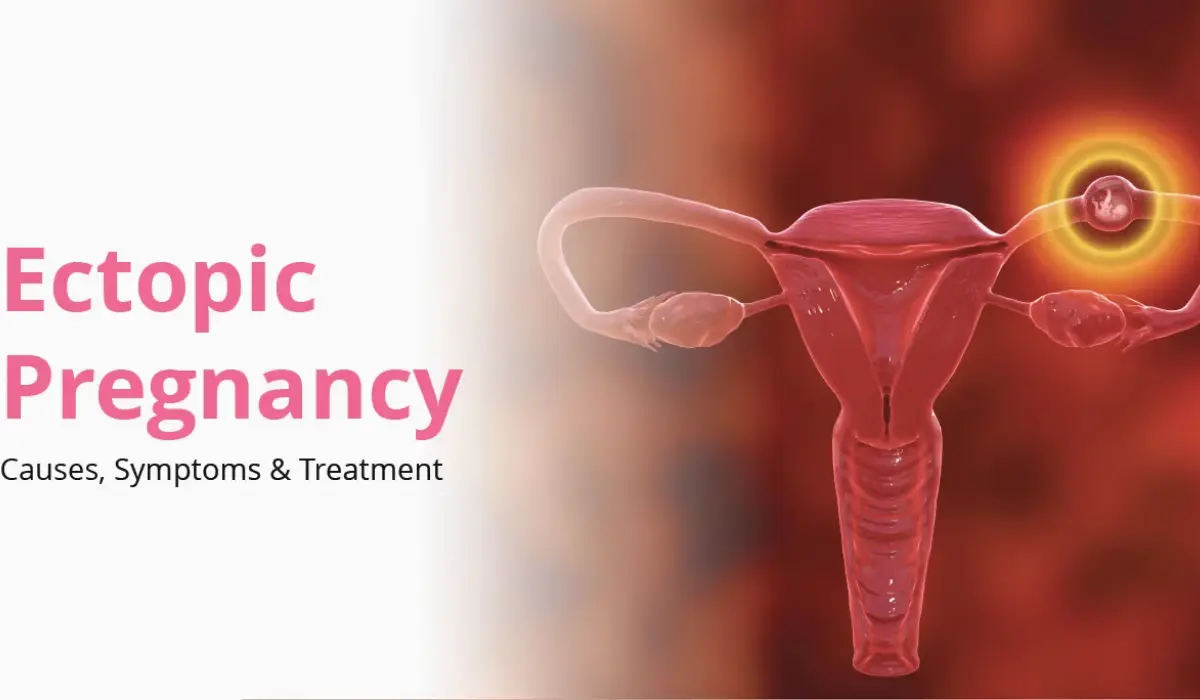
Seek urgent care if you have severe pelvic pain, one-sided pain, dizziness, fainting, shoulder pain, or heavy bleeding. These symptoms can sometimes point to an ectopic pregnancy or another urgent problem.
Practical Safety Tips
Do not assume all early bleeding is implantation bleeding. Also, do not assume every spotting episode is miscarriage.
Track symptoms and seek care if the pattern feels unusual. Helpful details include your last period date, pregnancy test result, bleeding color, number of pads used, pain level, and whether you passed clots.
If you are trying to conceive, wait until your missed period to test when possible. Testing too early may give unclear results.
Final Thoughts
Implantation bleeding vs miscarriage can be difficult to tell apart at home. Implantation bleeding is usually light, short, and mild. Miscarriage bleeding is more likely to become heavier and may come with stronger cramps, clots, or worsening pain.
Because early pregnancy bleeding has many possible causes, the safest step is to contact a healthcare provider if bleeding is heavy, painful, persistent, or linked with a positive pregnancy test. Also seek urgent care for ectopic pregnancy symptoms such as severe one-sided pelvic pain, dizziness, fainting, shoulder pain, or heavy bleeding.
FAQs
Implantation bleeding is usually light, short, and mild. Miscarriage bleeding may become heavier, brighter red, painful, or include clots and tissue-like material.
It can sometimes look light red, but it is usually pink or brown. Bright red bleeding that becomes heavy should be checked.
No, miscarriage bleeding does not always include clots at first. However, clots with heavy bleeding or strong cramps need medical attention.
Yes, some people have light bleeding and continue pregnancy. A pregnancy test and healthcare evaluation can help confirm what is happening.
Worry if bleeding is heavy, painful, worsening, or linked with dizziness, shoulder pain, fever, fainting, or severe one-sided pelvic pain.
Yes, take a pregnancy test if your period is late or pregnancy is possible. Repeat testing or medical evaluation may be needed.
Reference
- Implantation bleeding overview
https://my.clevelandclinic.org/health/symptoms/24536-implantation-bleeding - Implantation bleeding timing
https://www.mayoclinic.org/healthy-lifestyle/pregnancy-week-by-week/expert-answers/implantation-bleeding/faq-20058257