Pelvic inflammatory disease treatment requires prescription antibiotics that target several possible bacteria. Starting treatment promptly can control the infection and reduce the risk of infertility, ectopic pregnancy, pelvic abscess, and chronic pelvic pain.
Most mild or moderate cases can be treated outside the hospital. Severe illness, pregnancy, a tubo-ovarian abscess, or failure to improve may require hospital care and intravenous antibiotics.
Pelvic Inflammatory Disease Treatment at a Glance
PID cannot be treated safely with home remedies or leftover antibiotics. Treatment usually combines multiple antibiotics because the infection may involve gonorrhea, chlamydia, anaerobic bacteria, and other microorganisms.
| Clinical situation | Possible PID treatment | Important next step |
| Mild or moderate PID | Antibiotic injection plus oral antibiotics | Reassessment within 72 hours |
| Severe PID symptoms | Hospital care and IV antibiotics | Monitor pain, temperature, and treatment response |
| Pregnancy with suspected PID | Hospitalization and specialist care | Exclude ectopic pregnancy and protect maternal health |
| Tubo-ovarian abscess | IV antibiotics and observation | Drainage or surgery may be needed |
| No improvement in 72 hours | Reassessment and possible hospitalization | Review diagnosis and antibiotic coverage |
| PID associated with an STI | Antibiotics and partner treatment | Avoid sex until treatment is completed |
| PID with an IUD | Antibiotics with close follow-up | Removal is not routinely required |
What Is Pelvic Inflammatory Disease?
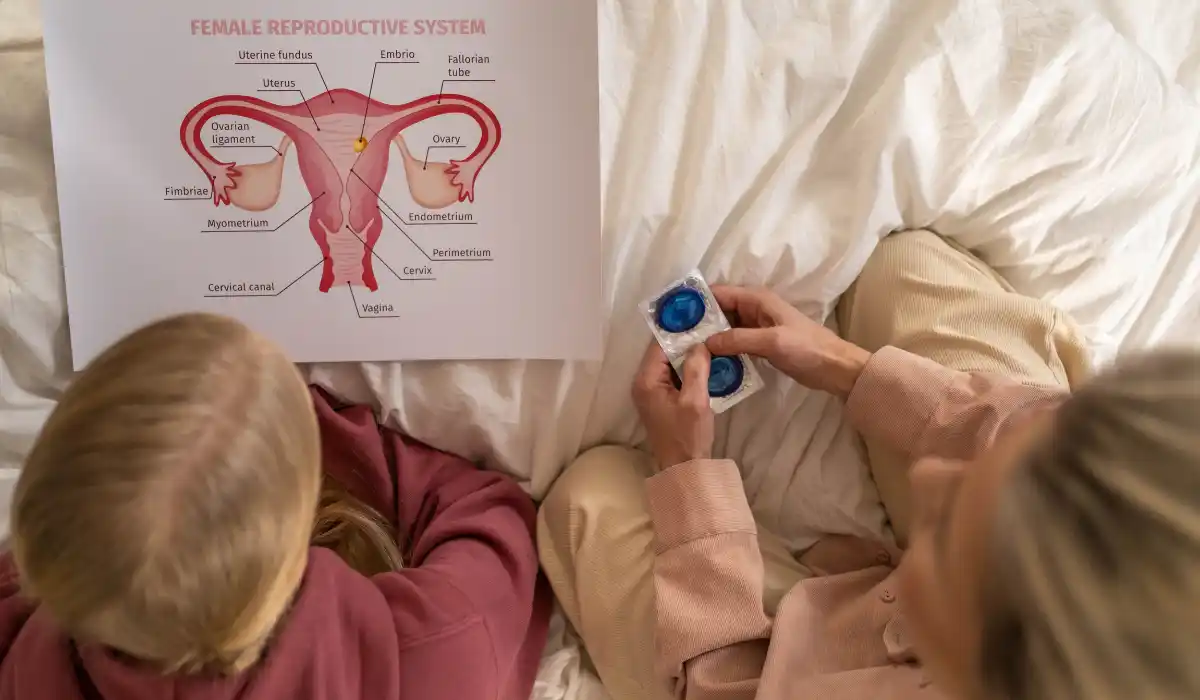
Pelvic inflammatory disease, commonly called PID, is an infection affecting the upper female reproductive organs. It may involve the uterus, fallopian tubes, ovaries, and nearby pelvic tissue.
PID often develops when bacteria move upward from the vagina or cervix. Untreated chlamydia and gonorrhea are common causes, but PID can also involve bacteria not transmitted through sexual contact.
The infection may be mild and difficult to recognize. Some people develop serious reproductive damage even when pelvic inflammatory disease symptoms are limited or absent.
Causes of Pelvic Inflammatory Disease
Sexually transmitted infections are important causes of PID. Chlamydia and gonorrhea can infect the cervix before spreading into the uterus and fallopian tubes.
Bacterial vaginosis and other vaginal microorganisms may also be present. For this reason, pelvic inflammatory disease treatment usually provides broad antibiotic coverage instead of targeting only one organism.
Factors associated with an increased PID risk include:
- An untreated sexually transmitted infection
- Previous PID or an earlier STI
- Having a new sexual partner
- Having multiple sexual partners
- Having a partner with other partners
- Douching
- Being sexually active and younger than 25
- Recent insertion of an intrauterine device
The small increase in PID risk associated with an IUD is mainly limited to the first three weeks after insertion. An IUD does not continuously cause pelvic infection.
Pelvic Inflammatory Disease Symptoms
Lower abdominal or pelvic pain is the most common PID symptom. The discomfort may be mild, severe, constant, or more noticeable during sex or a pelvic examination.
Other possible symptoms include abnormal vaginal discharge, unpleasant odor, fever, painful urination, bleeding between periods, and pain or bleeding during sex. Some people also experience nausea, vomiting, lower-back pain, or heavier periods.
PID symptoms can resemble appendicitis, ovarian cysts, urinary infection, endometriosis, or ectopic pregnancy. Medical evaluation is needed because these conditions require different treatments.
How PID Is Diagnosed?
There is no single test that confirms or excludes every case of pelvic inflammatory disease. Diagnosis is based on symptoms, sexual and medical history, examination findings, and test results.
During a pelvic examination, a clinician may check for tenderness involving the cervix, uterus, or ovaries. Vaginal or cervical samples can test for chlamydia, gonorrhea, and other infections.
Additional pelvic inflammatory disease tests may include:
- A pregnancy test
- Urine testing
- Blood tests
- STI testing
- Vaginal discharge analysis
- Pelvic ultrasound
- CT or MRI in selected cases
- Endometrial biopsy or laparoscopy in unusual cases
A negative gonorrhea or chlamydia test does not completely exclude PID because infection may already be present higher in the reproductive tract. Doctors may begin treatment before every result becomes available.
Why Early PID Treatment Matters?
Pelvic inflammatory disease antibiotics should begin promptly when the clinical findings support the diagnosis. Delaying treatment gives inflammation more time to damage the fallopian tubes and surrounding tissues.
Antibiotics can eliminate the current bacterial infection. However, pelvic inflammatory disease treatment cannot reverse scar tissue or permanent reproductive damage that has already developed.
Early care therefore matters even when symptoms appear manageable. Waiting for severe pain or fever can increase the risk of complications without making the diagnosis clearer.
Antibiotics for Pelvic Inflammatory Disease
The CDC recommends broad-spectrum antibiotic treatment that covers common PID-causing organisms. The exact prescription depends on illness severity, pregnancy status, allergies, test results, medication interactions, and local clinical guidance.
For mild or moderate pelvic inflammatory disease, a commonly recommended outpatient PID treatment includes a single 500 mg intramuscular ceftriaxone injection, combined with doxycycline 100 mg by mouth twice daily and metronidazole 500 mg by mouth twice daily for 14 days. A healthcare professional must prescribe the appropriate antibiotic regimen.
Different doses or medicines may be required in certain circumstances. These antibiotics must be prescribed by a qualified healthcare professional and should not be started, stopped, or substituted without medical guidance.
Why Several PID Medicines Are Used?
One antibiotic may not cover every organism involved in pelvic inflammatory disease. Ceftriaxone provides important gonorrhea coverage, while doxycycline treats chlamydia and other susceptible bacteria.
Metronidazole adds coverage for anaerobic bacteria and treats bacterial vaginosis, which frequently occurs with PID. Completing every prescribed medicine helps provide adequate coverage, even if one infection test is negative.
Finishing the Antibiotic Course
Pelvic pain and fever may improve before the infection has completely cleared. Stopping PID antibiotics early can leave infection untreated and increase the chance of ongoing illness.
Contact the prescribing clinician if nausea, vomiting, rash, severe diarrhea, or another side effect makes the medicine difficult to take. The treatment plan may need adjustment, but patients should not reduce doses independently.
When Hospital Treatment Is Needed?
Hospital-based pelvic inflammatory disease treatment may be necessary when the illness is severe or outpatient care may be unsafe. Intravenous antibiotics can provide dependable treatment while clinicians monitor symptoms and investigate other possible causes.
Hospitalization may be recommended when:
- Pregnancy is confirmed or possible
- A surgical emergency cannot be excluded
- A tubo-ovarian abscess is present
- Fever exceeds 38.5°C or 101°F
- Severe pain, nausea, or vomiting occurs
- Oral medicine cannot be tolerated
- Outpatient instructions cannot be followed reliably
- Symptoms do not improve with outpatient antibiotics
Age alone does not determine whether hospitalization is necessary. Adolescents and adults are generally assessed using the same clinical criteria.
Intravenous PID Antibiotic Treatment
Severe pelvic inflammatory disease may be treated with ceftriaxone, doxycycline, and metronidazole given intravenously or partly by mouth. Other hospital regimens may use cefoxitin, cefotetan, ampicillin-sulbactam, clindamycin, or gentamicin.
Doctors commonly consider switching from IV medicine to oral antibiotics after 24 to 48 hours of clear clinical improvement. Treatment generally continues for a total of 14 days.
The selected hospital regimen depends on pregnancy, kidney function, allergies, abscess formation, previous antibiotics, and the suspected organisms. A patient should not compare prescriptions without considering these clinical differences.
The 72-Hour Treatment Check
Improvement should usually begin within three days of starting pelvic inflammatory disease treatment. Fever, abdominal tenderness, cervical tenderness, and general discomfort should begin decreasing.
Contact the healthcare provider promptly if symptoms are unchanged or worse after 72 hours. Reassessment may identify an abscess, an incorrect diagnosis, resistant infection, poor medicine absorption, or another condition requiring hospital care.
Feeling slightly better does not mean the full antibiotic course can be stopped. The 72-hour check measures early response rather than complete recovery.
Pelvic Inflammatory Disease Treatment During Pregnancy
Suspected PID during pregnancy requires urgent specialist assessment. Pelvic pain in pregnancy may also indicate miscarriage, ectopic pregnancy, ovarian problems, or another condition that needs immediate investigation.
The CDC recommends hospital care and intravenous antibiotics for pregnant patients suspected of having PID. Some usual outpatient medicines may not be appropriate during pregnancy, so treatment must be individually selected.
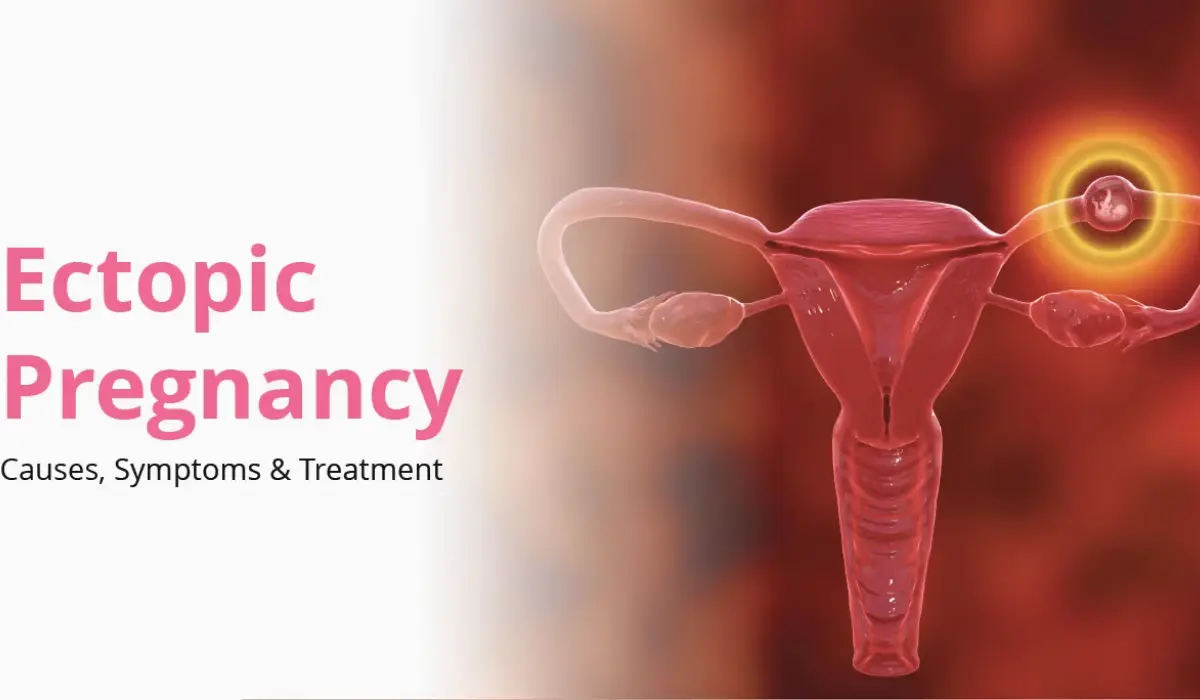
An ectopic pregnancy can cause one-sided pelvic pain, shoulder pain, dizziness, fainting, or vaginal bleeding. These symptoms require emergency medical care because internal bleeding can become life-threatening.
Treating a Tubo-Ovarian Abscess
A tubo-ovarian abscess is a collection of infected fluid involving a fallopian tube, ovary, or nearby tissue. It may cause intense pelvic pain, fever, nausea, and significant tenderness.
PID treatment for an abscess generally requires hospitalization, broad IV antibiotics, and observation. Doctors monitor whether the collection becomes smaller and whether fever and pain improve.
An abscess that is large, ruptured, or unresponsive to antibiotics may require drainage or surgery. A ruptured abscess can spread infection through the abdomen and become life-threatening.
PID Treatment With an IUD
An intrauterine device does not usually need to be removed immediately when pelvic inflammatory disease is diagnosed. Antibiotics can begin while the IUD remains in place, provided the patient receives close follow-up.
If symptoms fail to improve within 48 to 72 hours, the clinician may consider IUD removal. Treatment outcomes have generally not differed between patients who kept an IUD and those who had it removed, although available evidence mainly concerns copper or nonhormonal devices.
Patients should not remove an IUD themselves. The decision depends on treatment response, contraceptive preferences, IUD type, and clinical findings.
Sexual Partner Testing and Treatment
Recent sexual partners may have chlamydia or gonorrhea without experiencing symptoms. Without partner treatment, the patient may become infected again after completing pelvic inflammatory disease antibiotics.
The CDC advises evaluation and presumptive chlamydia and gonorrhea treatment for partners who had sexual contact with the patient during the 60 days before symptoms began. If no contact occurred during that period, the most recent partner should be evaluated.
Avoid sexual contact until the full PID treatment is complete, pelvic inflammatory disease symptoms have resolved, recent partners have received appropriate STI testing and treatment, and the recommended waiting period after partner medication has passed.
Partner treatment is not an accusation or proof of infidelity. Some sexually transmitted infections remain unnoticed for months because they cause no symptoms.
Tests Needed After a PID Diagnosis
Patients diagnosed with pelvic inflammatory disease should be tested for chlamydia, gonorrhea, HIV, and syphilis. Testing helps guide additional care but should not delay initial PID antibiotics.
People whose PID was associated with chlamydia or gonorrhea should be retested approximately three months after treatment. Retesting matters because reinfection is common and may be asymptomatic.
A repeat test is different from checking whether antibiotics worked immediately. The three-month test primarily looks for a new or persistent STI exposure.
Recovering From Pelvic Inflammatory Disease
Pain and fever may begin improving within several days, but complete PID recovery can take longer. Fatigue, pelvic tenderness, and digestive side effects from antibiotics may continue during treatment.
Pelvic inflammatory disease recovery depends on taking each antibiotic exactly as prescribed and completing the full PID treatment course, even when symptoms improve early. Attend the recommended 72-hour PID follow-up, maintain adequate hydration unless medically restricted, and use only clinician-approved pain medicine.
Avoid sexual activity until treatment is complete, symptoms have resolved, and recent partners have received STI testing and treatment. Report worsening pelvic pain, fever, vomiting, or medication reactions promptly, as these symptoms may indicate unsuccessful pelvic infection treatment or a complication.
Rest can support recovery, but bed rest alone cannot treat the infection. Herbal remedies, vaginal products, and douching should not replace antibiotics.
Possible Antibiotic Side Effects
PID antibiotics may cause nausea, diarrhea, stomach discomfort, headache, vaginal yeast infection, rash, or changes in taste. The side effects depend on the medicines prescribed.
Seek urgent help for facial swelling, breathing difficulty, widespread blistering rash, fainting, or another severe allergic reaction. Persistent vomiting also requires attention because it may prevent adequate medicine absorption.
Patients should discuss alcohol, supplements, antacids, pregnancy, breastfeeding, and other medications with a pharmacist or prescriber. These factors may change how antibiotics should be taken.
PID Complications
Untreated or repeatedly occurring pelvic inflammatory disease can produce inflammation and scarring inside the fallopian tubes. The damage may interfere with an egg’s movement toward the uterus.
Possible PID complications include:
- Difficulty becoming pregnant
- Ectopic pregnancy
- Chronic pelvic pain
- Tubal blockage
- Recurrent PID
- Tubo-ovarian abscess
- Severe abdominal infection after abscess rupture
Successful antibiotics reduce active infection but cannot reliably remove existing scar tissue. Persistent fertility or pain concerns may require evaluation after the infection has resolved.
Fertility After Pelvic Inflammatory Disease
Many people become pregnant normally after PID treatment. The effect on fertility depends on infection severity, treatment timing, repeated episodes, and the amount of fallopian-tube damage.
A previous PID diagnosis does not prove infertility. However, someone having difficulty conceiving should tell the fertility specialist about earlier pelvic infections, even if treatment occurred years before.
Testing may examine whether the fallopian tubes are open and assess other fertility factors. These investigations are usually performed after active pelvic inflammatory disease has been treated.
Preventing Another PID Infection
Preventing chlamydia and gonorrhea reduces the risk of recurrent pelvic inflammatory disease. Correct condom use, appropriate STI screening, and mutual testing can help prevent infection.
Avoid douching because it can disrupt normal vaginal bacteria and may move microorganisms upward. Routine vaginal cleansing products are unnecessary because the vagina cleans itself naturally.
Anyone with a new partner, multiple partners, previous STI, or other exposure risk should discuss the appropriate testing schedule with a healthcare professional. Prompt STI treatment can prevent infection from spreading into the reproductive organs.
When to Seek Emergency Care?
Seek urgent medical care during suspected or confirmed PID treatment for:
- Severe or rapidly worsening pelvic pain
- Fainting, dizziness, weakness, or confusion
- Shoulder pain with pelvic pain or bleeding
- Heavy vaginal bleeding
- Pregnancy with abdominal or pelvic pain
- High fever or shaking chills
- Repeated vomiting or inability to take antibiotics
- A swollen, rigid, or extremely tender abdomen
- Breathing difficulty or facial swelling after medicine
- No improvement within 72 hours
These symptoms may indicate ectopic pregnancy, a ruptured abscess, severe infection, an allergic reaction, or another urgent condition.
Questions to Ask a Healthcare Provider
- What findings support the PID diagnosis?
- Has pregnancy or ectopic pregnancy been excluded?
- Which infections are the antibiotics treating?
- How and when should each medicine be taken?
- Which side effects require an urgent call?
- When should improvement begin?
- Do I need a follow-up visit within 72 hours?
- Which STI tests are recommended?
- Do my recent partners need treatment?
- When can sexual activity safely resume?
- Does my IUD need to be removed?
- Could this episode affect fertility?
Conclusion
Pelvic inflammatory disease treatment uses broad-spectrum antibiotics to control infection and reduce the risk of reproductive complications. Mild cases may be treated outside the hospital, while pregnancy, severe symptoms, abscess formation, or poor response may require inpatient care.
Complete every prescribed medicine, arrange partner treatment, and seek reassessment if symptoms do not improve within 72 hours. Prompt care offers the best opportunity to limit lasting damage.
FAQS
A common outpatient regimen includes a ceftriaxone injection followed by 14 days of doxycycline and metronidazole. The appropriate medicines depend on pregnancy, allergies, symptoms, test results, and clinical judgment.
Pelvic inflammatory disease antibiotics are commonly prescribed for 14 days. Symptoms should begin improving within approximately 72 hours, although complete recovery from pain and inflammation may take longer.
Symptoms may temporarily improve, but untreated infection can continue damaging reproductive organs. Suspected PID requires medical assessment and prescription antibiotics rather than waiting for the condition to resolve naturally.
No home remedy can reliably eliminate the bacteria causing PID. Rest, fluids, and approved pain relief may support recovery, but they cannot replace appropriately prescribed antibiotics.
Pelvic pain and tenderness should generally begin decreasing within three days. Unchanged or worsening symptoms after 72 hours require prompt reassessment and may indicate a different diagnosis or complication.
Yes. Antibiotics do not create immunity against future infections. PID can return after a new STI exposure, particularly when recent sexual partners have not received evaluation and treatment.
Not usually. Treatment can often begin with the IUD in place. A clinician may consider removal when symptoms fail to improve within 48 to 72 hours.
PID may scar or block the fallopian tubes, making pregnancy more difficult. Risk generally increases with delayed treatment, severe infection, or repeated PID episodes, but infertility does not affect every patient.
Sexual activity should wait until antibiotics are completed, symptoms have resolved, and partners have received treatment. Resuming sex too early may spread infection or cause reinfection.
Hospital care may be required during pregnancy, severe illness, high fever, vomiting, tubo-ovarian abscess, inability to take oral medicine, uncertain diagnosis, or failure to improve with outpatient treatment.