
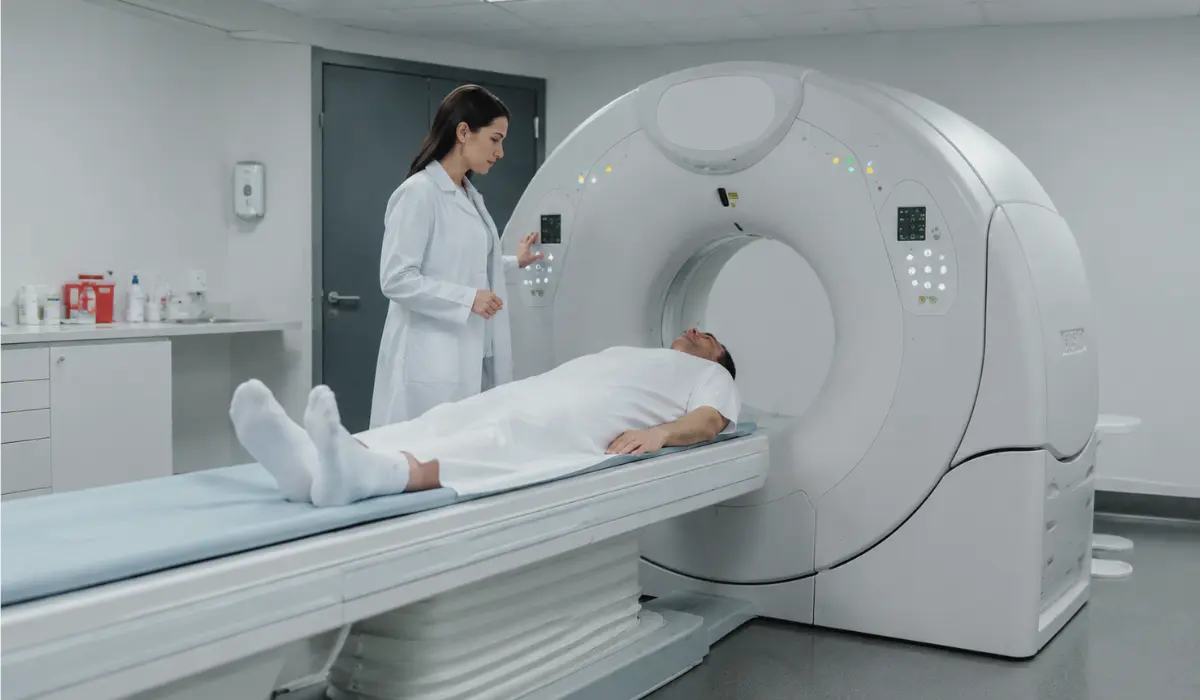
The mri scan cost can feel confusing for many patients because there is no single fixed price. The amount may change based on the clinic, city, body part scanned, insurance coverage, and whether contrast dye is needed.
In general, MRI pricing can range from a few hundred dollars to several thousand dollars in the United States. GoodRx reports that people without insurance may expect to pay around $2,000 for an MRI, while other pricing guides show wide ranges depending on location and facility type.
Why MRI Scan Cost Can Vary So Much?
MRI scan cost is not the same everywhere because hospitals, private imaging centers, and specialist clinics set prices differently. A hospital-based MRI is often more expensive than an independent imaging center because hospital bills may include facility fees and other charges.
The body part being scanned also affects the final cost. A simple knee MRI may cost less than a brain, spine, abdominal, or full-body MRI. If the scan needs more detailed imaging or extra time, the price may be higher.
Main Factors That Affect MRI Pricing
Location And Facility Type
Where you get the MRI plays a major role in the total bill. Large hospitals in major cities may charge more than smaller outpatient imaging centers. Even within the same city, two facilities can offer very different prices for the same scan.
Patients should not assume that a higher price always means better care. Some price transparency tools explain that lower-cost providers can still offer good quality, so comparing facilities can help patients avoid paying more than necessary.
Body Part Being Scanned
The scan area can change the cost because some body parts require more detailed imaging. For example, an MRI of the brain, spine, shoulder, knee, pelvis, or abdomen may each have a different price.
A scan that covers more than one body area will usually cost more. If your doctor orders multiple MRI scans, it is helpful to ask whether each scan is billed separately.
MRI With Or Without Contrast
Some MRI scans are done with contrast dye to help doctors see certain tissues, blood vessels, inflammation, tumors, or other details more clearly. Contrast scans usually cost more than non-contrast scans.
The extra cost may include the contrast material, technician time, supplies, and sometimes additional monitoring. Patients with kidney problems or allergies should always discuss contrast use with their doctor before the scan.
MRI Scan Cost With Insurance
If you have health insurance, your MRI scan cost depends on your plan. You may need to pay a deductible, copay, or coinsurance. Some insurance plans cover most of the cost after your deductible is met.
However, coverage is not always automatic. Many insurance companies require prior authorization before approving an MRI. If the scan is done without approval, the patient may be responsible for a larger bill.
MRI Scan Cost Without Insurance
For uninsured patients, the cost can be much higher because there is no insurance company negotiating the bill. Cash-pay prices may still vary widely, so it is important to ask for the self-pay rate before booking.
Some imaging centers offer discounted cash prices, payment plans, or lower rates for patients who pay upfront. Calling more than one facility can make a big difference in the final amount.
Hospital MRI Vs Outpatient Imaging Center
Hospital MRI scans are often more expensive because hospitals may add facility fees and other service charges. This does not always mean the scan itself is different, but the billing structure may be more complex.
Outpatient imaging centers are usually simpler and may offer lower pricing. For routine MRI scans, many patients ask their doctor whether an independent imaging center is acceptable for their situation.
Extra Costs Patients Should Ask About
The quoted MRI scan cost may not always include every charge. Some bills may include separate fees for the radiologist who reads the scan, the facility, contrast dye, or follow-up image copies.
Before booking, ask whether the price includes the full scan and the radiology report. This helps avoid surprise bills later, especially for patients paying without insurance.
How To Compare MRI Prices Before Booking?
Patients can call different imaging centers and ask for the cash price, insurance estimate, and total expected cost. It is also helpful to ask for the billing code, often called a CPT code, because this helps compare the same scan across facilities.
If you have insurance, call your insurance company and ask which nearby imaging centers are in-network. An in-network center may reduce your out-of-pocket cost compared with an out-of-network provider.
Ways To Reduce MRI Scan Cost
One of the best ways to reduce MRI scan cost is to compare prices before scheduling. Many patients accept the first referral without knowing that another approved center may charge much less.
You can also ask about self-pay discounts, payment plans, financial assistance, and whether prior authorization is required. If the MRI is not urgent, taking time to compare options may help you save money.
When A Higher MRI Cost May Be Expected?
A higher MRI cost may be expected when the scan is urgent, done in a hospital, uses contrast, involves multiple body parts, or needs advanced imaging protocols. Emergency settings are usually more expensive than planned outpatient appointments.
Specialist MRI scans, such as cardiac MRI, breast MRI, or full-body MRI, may also cost more. These scans may require special equipment, longer appointment times, or more detailed radiology review.
Final Thoughts On MRI Scan Cost
MRI scan cost can vary widely, so patients should not rely on one general price. The final amount depends on the scan type, body part, facility, insurance coverage, and whether contrast is used.
Before booking, ask for a written estimate, confirm insurance approval, and compare at least two or three facilities when possible. A few phone calls can help you understand the real cost and avoid unexpected medical bills.
Frequently Asked Questions
Yes, many insurance plans cover MRI scans when a doctor says they are medically necessary based on symptoms, test results, or health conditions.
A private MRI may be worth it if you want faster appointments, shorter waiting times, more flexibility, and quicker access to scan results.
Eligible patients may receive free MRI scans through the NHS, but private MRI scans usually require payment or insurance coverage depending on provider.
MRI scans are safe for many people, but downsides may include high costs, long scan times, claustrophobia, movement limits, and magnetic-field restrictions.
Ask about insurance coverage, Medicare, Medicaid, outpatient imaging centers, cash discounts, charity care, discount programs, or payment plans to reduce MRI costs.