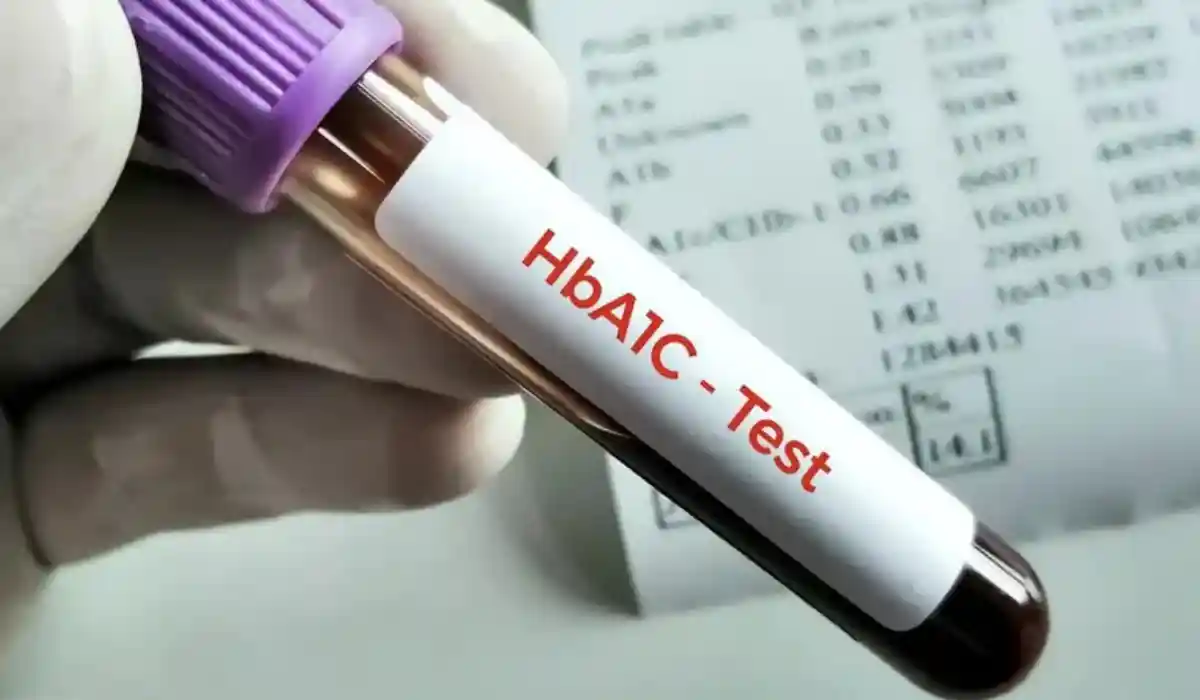
Learning how to lower HbA1c starts with understanding what the number means. HbA1c, also called A1C, shows your average blood sugar level over the past two to three months. A high HbA1c usually means your blood sugar has been running higher than recommended.
The best way to lower HbA1c is to improve daily blood sugar control through food choices, regular activity, weight management, sleep, stress control, and medicines when prescribed. You do not need extreme diets or unsafe shortcuts. Small, consistent changes often work better than quick fixes.
What Is HbA1c?
HbA1c is a blood test that measures how much glucose is attached to hemoglobin, the protein in red blood cells that carries oxygen. Since red blood cells live for about three months, the test gives a longer-term picture of blood sugar control.
A normal HbA1c is usually below 5.7%. A result from 5.7% to 6.4% may suggest prediabetes. A result of 6.5% or higher may suggest diabetes if confirmed by a healthcare provider.
For many adults with diabetes, an A1C goal below 7% is commonly used. However, your personal goal may be different depending on your age, health history, pregnancy status, risk of low blood sugar, and other medical conditions.
Why Lowering HbA1c Matters?
Lowering HbA1c can help reduce the risk of diabetes-related complications. Long-term high blood sugar may affect the heart, kidneys, nerves, eyes, blood vessels, and feet.
High HbA1c does not always cause obvious symptoms at first. Some people feel tired, thirsty, or urinate more often, while others feel normal. That is why regular testing is important.
The goal is not just to get a better lab number. The real goal is safer blood sugar control, fewer glucose spikes, better energy, and lower long-term health risk.
Eat More High-Fiber Foods
One of the best diet changes to lower HbA1c is eating more fiber. Fiber slows digestion, supports fullness, and may help reduce after-meal blood sugar spikes.
Good high-fiber foods include oats, beans, lentils, chickpeas, vegetables, berries, apples, pears, chia seeds, flaxseeds, and whole grains. These foods are usually better choices than white bread, white rice, sugary cereals, pastries, and sweet drinks.
Try to build meals around vegetables, protein, healthy fats, and controlled portions of high-fiber carbohydrates. This can help improve blood glucose control without making your diet feel too restrictive.
Control Carbohydrate Portions
Carbohydrates have the biggest direct effect on blood sugar. This does not mean you must avoid all carbs. It means the type, amount, and timing of carbohydrates matter.
Refined carbs and added sugars can raise blood sugar quickly. Common examples include candy, soda, sweet tea, fruit juice, white bread, biscuits, cakes, cookies, and many packaged snacks.
Better choices include beans, lentils, whole grains, vegetables, and low-sugar fruits. Pairing carbohydrates with protein and healthy fat can also help reduce glucose spikes. For example, fruit with nuts may be better than fruit juice alone.
Use the Diabetes Plate Method
The plate method is a simple way to plan meals for HbA1c control. Fill half your plate with non-starchy vegetables, one quarter with lean protein, and one quarter with high-fiber carbohydrates.
Non-starchy vegetables include spinach, cucumber, cabbage, broccoli, cauliflower, peppers, green beans, lettuce, and zucchini. Protein options include fish, eggs, chicken, tofu, Greek yogurt, beans, and lentils.
This method helps with portion control without needing complicated calorie counting. It also makes meals more balanced, which may support better blood sugar levels after eating.
Choose Protein With Each Meal
Protein helps slow digestion and keeps you full for longer. It also helps protect muscle, which is important for blood sugar control and metabolism.
Good protein choices include fish, skinless poultry, eggs, tofu, tempeh, beans, lentils, low-fat yogurt, cottage cheese, and lean meats. People with kidney disease should ask a doctor or dietitian about the right protein amount.
Avoid making protein choices too high in saturated fat. Fatty processed meats, fried meats, and large portions of high-fat dairy may affect heart health, especially in people with diabetes.
Walk After Meals
Walking after meals is a simple habit that can help reduce blood sugar spikes. Even a 10 to 15 minute walk after eating may help your muscles use glucose more effectively.
You do not need intense workouts to start. Brisk walking, cycling, swimming, dancing, gardening, or light home exercise can all help. The key is consistency.
For many adults, a helpful goal is at least 150 minutes of moderate activity per week, along with strength training when possible. Start slowly if you are not active now, especially if you have heart disease, nerve problems, foot issues, or other health concerns.
Add Strength Training
Strength training can help lower HbA1c because muscle uses glucose for energy. More active muscle tissue can improve insulin sensitivity over time.
You can start with bodyweight exercises, resistance bands, light dumbbells, or guided gym workouts. Squats, wall push-ups, step-ups, seated leg raises, and resistance band rows are simple beginner options.
Aim for two or three sessions per week if your doctor says it is safe. Good form matters more than heavy weights. If you have diabetes complications, get professional guidance before starting a new routine.
Lose Weight If Needed
If you are overweight, even modest weight loss may improve insulin resistance and help lower HbA1c. Losing weight is not always easy, but small changes can still matter.
Focus on reducing sugary drinks, limiting late-night snacks, increasing vegetables, improving protein intake, and walking more. These habits can support weight loss without extreme dieting.
Do not follow crash diets, detox plans, or very low-calorie programs without medical supervision. Rapid changes can be risky, especially if you take insulin or medicines that may cause low blood sugar.
Sleep Better
Poor sleep can affect blood sugar, hunger hormones, cravings, and insulin sensitivity. People who sleep poorly may find it harder to manage appetite and glucose levels.
Try to keep a regular sleep schedule, reduce screen use before bed, limit caffeine late in the day, and create a dark, quiet sleeping environment. Treating sleep apnea may also help some people improve blood sugar control.
If you snore loudly, wake up choking, feel very sleepy during the day, or have morning headaches, ask your doctor about sleep apnea screening.
Manage Stress
Stress can raise blood sugar through hormones such as cortisol and adrenaline. It can also lead to emotional eating, poor sleep, missed medicines, and less physical activity.
Stress management does not need to be complicated. Deep breathing, prayer, meditation, walking, journaling, stretching, hobbies, and talking with supportive people may help.
If stress, anxiety, or depression is making diabetes management difficult, speak with a healthcare provider. Mental health support can be an important part of HbA1c control.
Take Medicines As Prescribed
Lifestyle changes are powerful, but some people need medication to reach a safe HbA1c goal. Diabetes medicines may include metformin, GLP-1 medicines, SGLT2 inhibitors, insulin, or other treatments.
Never stop or adjust diabetes medicine without medical advice. If your blood sugar is still high, your doctor may adjust your dose, add another medicine, or check for other causes.
If you often have low blood sugar, dizziness, shakiness, sweating, confusion, or faintness, get medical advice quickly. Your treatment plan may need adjustment.
Check Blood Sugar Regularly
Home blood sugar monitoring can help you understand how food, exercise, sleep, stress, and medicines affect your glucose levels. It can also show patterns that HbA1c alone may not reveal.
Some people use a glucose meter, while others use a continuous glucose monitor. Your doctor can tell you how often to check based on your treatment plan.
Keep a simple log of readings, meals, activity, and symptoms. This can help your healthcare provider make better decisions about your diabetes care.
Foods That May Help Lower HbA1c
No single food can lower HbA1c by itself. However, some foods are better for blood sugar control when eaten regularly as part of a balanced diet.
Helpful options include leafy greens, beans, lentils, oats, barley, nuts, seeds, plain yogurt, berries, fish, eggs, tofu, and non-starchy vegetables. These foods provide fiber, protein, healthy fats, and important nutrients.
Limit foods that cause quick blood sugar rises, such as sugary drinks, sweets, refined flour products, and large portions of white rice or white bread. Portion size still matters, even with healthier foods.
When To See a Doctor?
See a doctor if your HbA1c is high, your home blood sugar readings are often above target, or you have symptoms such as excessive thirst, frequent urination, blurry vision, unexplained weight loss, or extreme tiredness.
You should also get medical help if you have repeated low blood sugar episodes, foot wounds, chest pain, shortness of breath, severe weakness, confusion, or signs of dehydration.
HbA1c control should be personalized. The safest plan depends on your diagnosis, medicines, lifestyle, age, kidney function, heart health, and risk of hypoglycemia.
Final Thoughts
The best way to lower HbA1c is to improve daily blood sugar habits. Eat more fiber, control carbohydrate portions, walk after meals, build muscle, sleep better, manage stress, and take medicines as prescribed.
You do not need a perfect routine. Start with one or two realistic changes and build from there. Over time, consistent habits can help improve blood sugar control and support better long-term health.
FAQs
You can lower HbA1c naturally by eating more fiber, reducing sugary foods, controlling carb portions, walking regularly, strength training, sleeping better, and managing stress.
HbA1c reflects average blood sugar over about two to three months. Some daily glucose improvements may happen sooner, but lab changes usually take time.
Helpful foods include vegetables, beans, lentils, oats, nuts, seeds, fish, eggs, plain yogurt, and high-fiber whole grains. No single food works alone.
Yes, regular walking can help improve insulin sensitivity and blood sugar control. Walking after meals may be especially useful for reducing post-meal glucose spikes.
Large portions of refined carbs, sugary drinks, missed medicines, inactivity, poor sleep, stress, weight gain, and illness can all contribute to higher HbA1c.
Some people with prediabetes or type 2 diabetes can improve HbA1c significantly with lifestyle changes, weight loss, and treatment. Results depend on the individual.
References
- CDC – Diabetes Testing and A1C Levels
https://www.cdc.gov/diabetes/diabetes-testing/index.html - Mayo Clinic – Diabetes Diet
https://www.mayoclinic.org/diseases-conditions/diabetes/in-depth/diabetes-diet/art-20044295