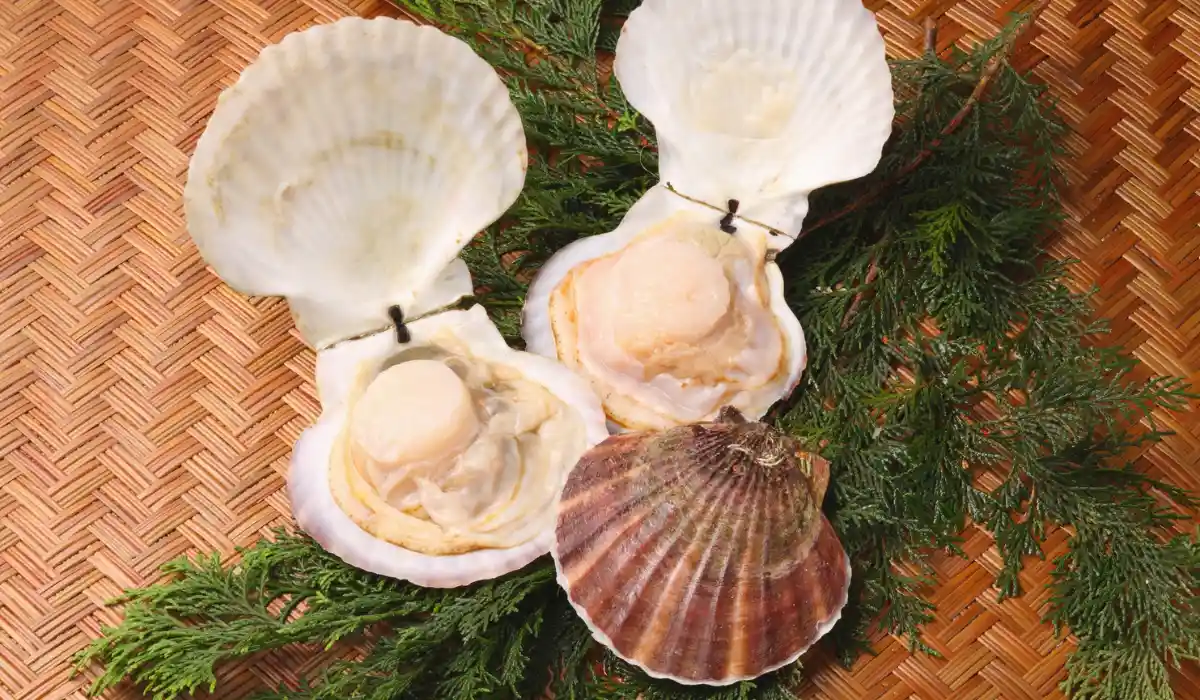
Scallops do contain dietary cholesterol, but they are not usually considered a high-risk seafood for most healthy adults. They are naturally low in saturated fat, rich in lean protein, and can fit into a heart-healthy diet when cooked in a simple way.
The bigger concern is not the scallop itself, but how it is prepared. Scallops cooked with butter, cream sauces, fried coatings, or salty processed ingredients can become less suitable for people managing high cholesterol.
Scallops and Cholesterol
Scallops are a type of shellfish, and like other animal-based foods, they contain some cholesterol. However, scallops are also very low in total fat and saturated fat compared with many meats and fried seafood options.
This matters because saturated fat usually has a stronger effect on LDL cholesterol than dietary cholesterol alone. LDL cholesterol is often called bad cholesterol because high levels may contribute to plaque buildup in the arteries.
So, are scallops high in cholesterol? They are moderate in dietary cholesterol, but they are not high in saturated fat. For many people, that makes scallops a better choice than fatty meats, bacon, sausage, fried foods, or creamy seafood dishes.
Scallops Nutrition: What Do They Provide?
Scallops are best known as a lean source of protein. They are naturally low in sugar, low in carbohydrates, and low in fat. They also provide minerals and nutrients such as selenium, zinc, magnesium, phosphorus, potassium, and vitamin B12.
Protein is important for muscle repair, fullness, and healthy body function. Since scallops are lean, they can help add protein to a meal without adding much saturated fat.
Scallops also contain small amounts of healthy fats, including omega-3 fatty acids. They do not provide as much omega-3 as salmon, sardines, or mackerel, but they can still be part of a seafood-based eating pattern.
Are Scallops Good for Cholesterol?
Scallops can be good for cholesterol when they replace foods that are higher in saturated fat. For example, choosing grilled or steamed scallops instead of fatty steak, processed meat, or fried chicken may help lower saturated fat intake.
A cholesterol-friendly diet is not based on one food alone. It depends on the full meal pattern. Scallops work best when paired with vegetables, whole grains, beans, lentils, olive oil, avocado, herbs, and other heart-friendly ingredients.
They become less helpful when served with heavy butter sauce, creamy pasta, white bread, fried sides, or high-sodium seasonings. These additions can increase saturated fat, calories, and sodium.
Can You Eat Scallops With High Cholesterol?
Many people with high cholesterol can eat scallops in moderation. The key is portion size, cooking method, and overall diet quality. A serving of scallops can be part of a balanced meal if it is not fried or covered in butter.
If your LDL cholesterol is high, your doctor may advise you to reduce saturated fat and trans fat first. That means limiting fatty meats, full-fat dairy, fried foods, baked goods, and highly processed snacks.
If your triglycerides are high, you may also need to limit added sugar, refined carbs, and alcohol. Scallops are not high in sugar or refined carbohydrates, but the side dishes served with them can matter a lot.
Scallops vs Shrimp: Which Has More Cholesterol?
Shrimp is often higher in cholesterol than many other seafood choices. Scallops usually contain less cholesterol than shrimp and are also low in saturated fat. This makes scallops a reasonable seafood choice for many people watching cholesterol.
However, both shrimp and scallops can fit into a healthy diet when eaten in sensible portions. The cooking method is usually more important than the seafood itself.
Boiled, steamed, grilled, baked, or lightly sautéed seafood is usually better than fried seafood. Fried shrimp, fried scallops, seafood platters, and creamy seafood pasta can add unhealthy fats and extra calories.
Best Ways to Cook Scallops for Heart Health
The healthiest way to cook scallops is to keep the recipe simple. Try grilling, baking, steaming, broiling, or pan-searing with a small amount of olive oil instead of butter.
Use herbs, garlic, lemon juice, black pepper, paprika, parsley, or chili flakes for flavor. These ingredients add taste without adding saturated fat or too much sodium.
Avoid deep frying scallops or coating them in heavy breading. Also limit cream-based sauces, cheese sauces, and large amounts of butter. These additions can turn a lean seafood into a high-fat meal.
What to Eat With Scallops?
Scallops pair well with many cholesterol-friendly foods. Good options include roasted vegetables, steamed greens, quinoa, brown rice, barley, lentils, beans, salad, or whole-grain pasta in a light olive oil sauce.
Vegetables add fiber, antioxidants, and volume to the meal. Fiber is important because it can help support healthier cholesterol levels, especially soluble fiber from foods like oats, beans, lentils, apples, and barley.
A balanced scallop meal may include grilled scallops, sautéed spinach, roasted vegetables, and a small serving of brown rice or quinoa. This gives protein, fiber, and nutrients without relying on heavy fats.
When Should You Be Careful With Scallops?
Some people should be more careful with scallops. If you have a shellfish allergy, scallops should be avoided unless your doctor says otherwise. Shellfish allergies can be serious and may cause strong reactions.
People with high blood pressure or kidney disease should also watch sodium intake. Fresh scallops can be a better choice than heavily processed, packaged, or restaurant-style scallop dishes that may contain added salt.
If you have heart disease, very high LDL cholesterol, diabetes, or high triglycerides, ask your healthcare provider how often you should eat shellfish. Your personal health history matters.
Are Restaurant Scallops Healthy?
Restaurant scallops can be healthy, but it depends on the preparation. Many restaurant dishes use butter, cream, cheese, fried coatings, or salty sauces to improve flavor.
When ordering scallops, choose grilled, seared, baked, or steamed options. Ask for sauces on the side and request less butter if possible. Pair the dish with vegetables or salad instead of fries or creamy sides.
A simple scallop dish can be a good restaurant choice. A fried scallop basket with tartar sauce and fries is less heart-friendly, especially for someone managing cholesterol.
Final Thoughts
Scallops contain some cholesterol, but they are low in saturated fat and can be part of a heart-healthy diet for many people. They are a lean seafood option that provides protein, vitamin B12, selenium, zinc, and other nutrients.
The healthiest choice is to prepare scallops simply. Grill, steam, bake, or lightly sauté them, and avoid heavy butter, cream, and fried coatings.
If you have high cholesterol, focus on the whole diet. Eating more fiber-rich foods, reducing saturated fat, avoiding trans fat, staying active, and following medical advice will matter more than one seafood choice.
FAQs
Scallops contain dietary cholesterol, but they are low in saturated fat. For many people, they can fit into a heart-healthy diet.
Scallops are not automatically bad for high cholesterol. The cooking method matters most. Avoid fried scallops, butter-heavy sauces, and creamy seafood dishes.
Many people with high LDL can eat scallops in moderation. Choose grilled, baked, steamed, or lightly sautéed scallops without heavy saturated fat.
Scallops usually contain less cholesterol than shrimp and are low in saturated fat. Both can be healthy when prepared without frying or heavy sauces.
The healthiest methods include steaming, grilling, baking, broiling, or pan-searing with a small amount of olive oil and herbs.
Moderate servings can fit into many healthy diets. If you have heart disease, kidney disease, or high cholesterol, ask your doctor for personal advice.
References
- Mayo Clinic – Cholesterol: Top Foods to Improve Your Numbers
https://www.mayoclinic.org/diseases-conditions/high-blood-cholesterol/in-depth/cholesterol/art-20045192 - Mayo Clinic – Top Lifestyle Changes to Improve Cholesterol
https://www.mayoclinic.org/diseases-conditions/high-blood-cholesterol/in-depth/reduce-cholesterol/art-20045935